- 000 - 123 - 456789
- info@trustaclinic.ae
- VILA 17, Street 73B, AL SATWA, Dubai, UAE

- Endolift
- Acne Scar Treatments
- Pigmentation & Dark Spot Treatments
- Skin Whitening Treatments
- Laser Hair Removal
- Fotona Laser
- Botox
- Chemical Peeling
- Plasma Gel (BioFiller)
- Dermal Fillers
- Lip Fillers
- PRP (Hair)
- Chin Fillers
- PRP (Face)
- Eyebrow Microblading
- Microblading Lips
- PRF (Face)
- PRF (Hair)
- PRF Under Eyes
- Thread Lift
- Laser Skin Resurfacing
- Microneedling
- HydraFacial
- Mesotherapy

CONTACT US
- (000) 123-456-789
- VILA 17, Street 73B, AL SATWA, Dubai, UAE.
- info@trustaclinic.ae
Pigmentation & Dark Spot Treatments
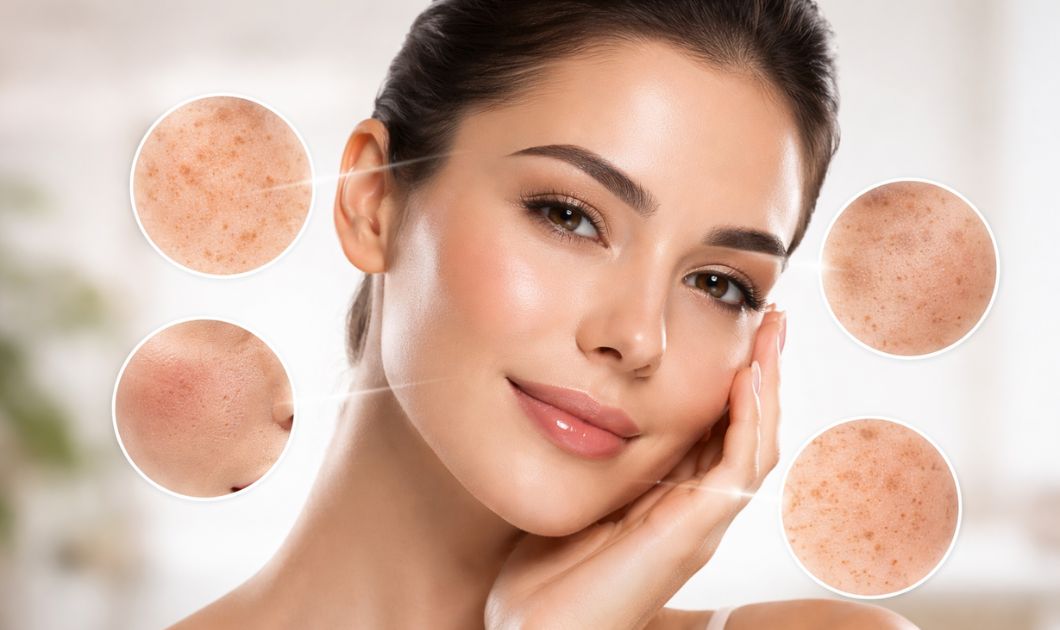
Hyperpigmentation: What It Is
Many people in Dubai notice areas of darker skin that contrast with the surrounding complexion. These patches can appear on the face, neck, hands, or other visible parts of the body. Hyperpigmentation is the medical term for this condition, which happens when skin cells called melanocytes produce more pigment than usual. Triggers include sun exposure, hormonal shifts, inflammation from acne, ageing, or injury. Although pigmentation doesn’t usually pose a health risk, it can affect how you feel about your appearance.
In Trusta Clinic in Dubai, specialists focus on understanding your concerns and guiding you toward solutions that address visible dark spots, uneven tone, and stubborn pigmentation. The goal is to restore harmony to your complexion and support improvements in skin clarity and brightness.
Signs and Causes of Hyperpigmentation
Dark patches and spots can show up in various forms:
- Sun spots (solar lentigines): small brown patches that develop after frequent sun exposure.
- Melasma: larger, symmetric patches often seen on the cheeks and forehead, sometimes linked to hormones.
- Post‑inflammatory pigmentation: marks that remain after acne, irritation, or minor injuries.
These conditions occur when excess melanin, the pigment responsible for skin colour, accumulates in specific areas. UV exposure from the intense Dubai sunshine plays a major role in stimulating melanin production, which is why protective measures such as broad‑spectrum sun protection are always part of care plans.
How Pigmentation Is Diagnosed In Trusta Clinic
Before any treatment, a thorough assessment of your skin is needed. In Trusta Clinic, your provider examines the affected areas, discusses your medical history, and listens to what you hope to achieve. Factors such as the type and depth of pigmentation, your skin type, and previous skincare experiences help shape the recommended approach.
Often, a combination of visual examination and discussion about your routines and triggers is enough to form an effective strategy. This evaluation not only identifies the core pigmentation concern but also distinguishes between melasma, sun spots, and post‑inflammatory marks so that the most effective methods can be used.
Treatment Available in Trusta Clinic
Trusta Clinic offers a spectrum of scientifically supported options to address pigmentation and dark spots. Each method works in a unique way to reduce the visibility of excess pigment and improve overall skin tone.
Laser Therapy
Laser treatments are frequently used to break up concentrated pigment deposits beneath the surface. Certain laser modalities emit energy that is absorbed by melanin, helping fragment the pigment so the body can clear it naturally through cellular renewal. These treatments are effective for sun spots, melasma, and stubborn discoloration that isn’t responsive to topical care.
Chemical Peels
Chemical peels involve applying a solution that encourages the top layer of the skin to shed. By gently removing pigmented cells, new, more even looking skin emerges. Depending on the depth of the pigmentation, different strengths of peels may be used to improve tone and texture while encouraging brightness.
Microneedling and PRP
Microneedling uses fine, sterile needles to create controlled pathways through the skin’s surface. This stimulates cell renewal and can promote the even distribution of pigment. When combined with platelet‑rich plasma (PRP), which is derived from your own blood, the treatment may support improved tone by enhancing collagen production and healing responses.
Topical Medical Therapy
In conjunction with in‑clinic procedures, dermatologists often use medical‑grade creams or serums to support results. Ingredients such as vitamin C, tretinoin, niacinamide, or kojic acid regulate pigment formation and foster clearer complexion over repeated use. Prescribed topical therapy is selected based on your specific pigmentation type and skin sensitivity.
Managing Pigmentation at Home
Although professional treatments form the foundation of pigment improvement, everyday habits play a crucial role in maintaining results. Sun protection is essential, daily use of sunscreen with high SPF and broad spectrum protection helps prevent existing patches from darkening further while lowering the chance of new spots forming. Covering up during peak sun hours and wearing protective clothing also contributes to better outcomes.
Hydration and gentle skincare routines help avoid irritation that may worsen pigmentation. Dermatologists of Trusta Clinic discuss which products are safe and effective for your skin, as well as which to avoid if your skin reacts strongly or triggers additional pigmentation.
Progress and Expectations of Dark Spot Treatments In Dubai
Pigmentation treatments often require a series of sessions for perceptible changes. Some clients begin to see uneven tones soften within weeks, while deeper patches or melasma may take longer to noticeably improve. Consistency and compliance with sun protection measures help support progress.
Every person’s skin responds differently. Some may find improvement with peels and topical creams, while others benefit more from laser therapy or combined approaches. Your care plan by Trusta Clinic guides you through what to expect so you have a realistic idea of the progression.
Types of Pigmentation Conditions We Treat
Hyperpigmentation
Hyperpigmentation happens when certain skin areas produce excess melanin, resulting in uneven dark patches. These can appear on the face, hands, or other exposed regions, affecting overall skin tone. With professional treatments, these dark areas can be visibly reduced, restoring a more balanced, radiant, and uniform complexion across the skin.
Melasma
Melasma shows up as brown or grayish patches, often triggered by hormonal changes, pregnancy, or prolonged sun exposure. These stubborn marks can affect the cheeks, forehead, or upper lip. Targeted therapies help gradually lighten melasma, improving tone and symmetry, while careful care prevents further darkening and helps maintain a balanced, healthy looking complexion over time.
Sun & Age Spots
Sun and age spots are darker areas caused by prolonged sun exposure over the years. These flat, pigmented patches commonly appear on the face, hands, and shoulders. Treatment options focus on reducing their appearance, brightening the skin, and minimizing the visible effects of sun damage and aging, allowing the skin to regain a smoother, more even, and youthful tone.
Post Inflammatory Marks
Post inflammatory marks develop when acne, cuts, or minor injuries leave lingering pigment behind. These spots can darken over time if left untreated. Treatments aim to fade these discolorations, restore uniformity, and improve skin clarity, helping the affected areas blend naturally with surrounding skin while enhancing texture and overall radiance.
Freckles
Freckles are small, pigmented spots caused mainly by sun exposure and sometimes genetics. While harmless, they may affect the visual evenness of the skin. Specialized treatments can lighten freckles, prevent the formation of new ones, and improve skin tone uniformity, resulting in a smoother, brighter, and healthier looking complexion while maintaining natural glow.
Who Benefits from Pigmentation & Dark Spot Treatments?
Our services suit people who:
- Seek a more even complexion
- Want to reduce acne scars and marks
- Have noticeable dark spots or blotchy skin
- Hope to improve skin appearance and radiance
Benefits of Pigmentation Treatments
Choosing Trusta Clinic Dubai for pigmentation care provides:
- Faded dark spots for a clearer look
- Smoother texture and brighter skin
- Collagen support to help skin feel firmer
- Boosted confidence with improved appearance
- Better absorption of skincare products after treatment
What to Expect During & After Treatment
During Treatment: During treatment, most clients experience a gentle warmth or slight tingling on the targeted areas. The sensation is usually comfortable and well-tolerated, allowing the session to proceed smoothly. Patients can relax knowing the procedure is carefully monitored, ensuring safety and a soothing experience throughout the entire treatment.
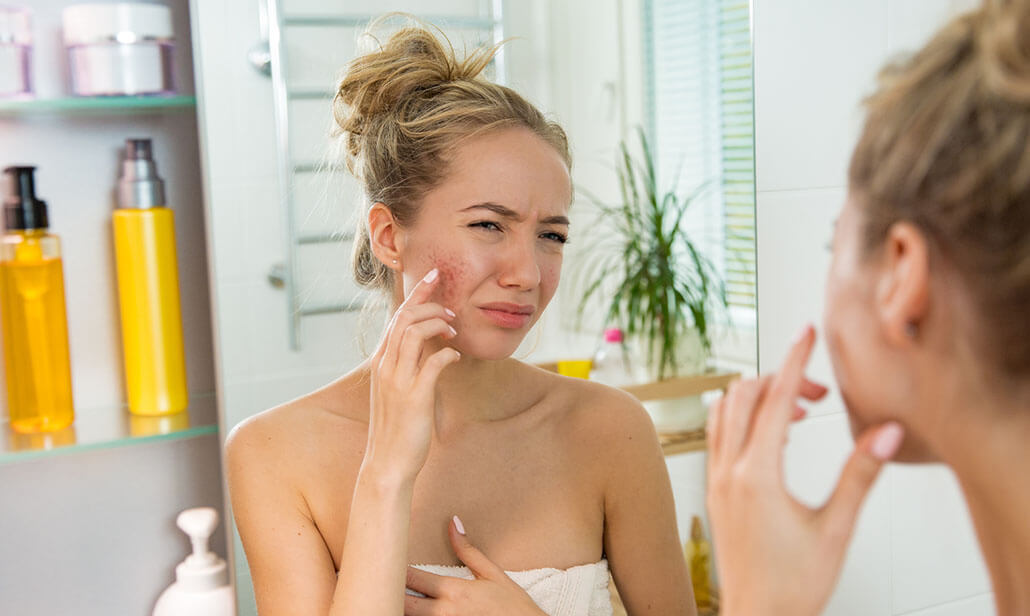
After Treatment: After treatment, temporary redness, mild peeling, or increased skin sensitivity may appear. These effects are short-lived and typically resolve within a few hours to days. Some improvement in pigmentation can be noticed early, while optimal results emerge progressively over several sessions spaced across weeks for gradual, even enhancement.
Before

After
Why Choose Trusta Clinic Dubai?
Trusta Clinic Dubai brings skilled expertise and proven treatment approaches to pigmentation care. Our specialists thoroughly examine each area, identify the underlying causes of dark spots, and guide clients through sessions designed to reduce pigmentation effectively. The result is clearer, smoother, and more radiant skin that reflects balanced tone and improved texture.
Our clinic uses evidence-based techniques to address a wide range of pigmentation concerns, from sun spots to stubborn melasma. Every treatment plan emphasizes safety, consistency, and measurable improvement. Clients benefit from expert guidance, professional care, and a comfortable environment that supports noticeable, even results across the skin.
Schedule Your Consultation
Take the first step toward clearer skin and fewer dark spots. Contact Trusta Clinic Dubai to book a consultation. Our team will assess the skin and suggest treatments designed to improve tone and glow.
FAQs: Pigmentation & Dark Spot Care
Q: What causes pigmentation to appear?
A: Pigmentation develops when certain skin cells produce extra pigment in response to triggers such as sun exposure, inflammation from acne or injury, and hormonal influences like pregnancy or contraceptive use.
Q: How long until improvements are noticeable?
A: Many clients notice a difference within weeks after the initial sessions, particularly in the way spots soften or blend with the surrounding skin. More significant changes typically require a full recommended series of treatments.
Q: Is treatment safe for all skin tones?
A: Yes, specialized methods are chosen based on your skin tone and pigmentation depth, reducing risks and enhancing overall quality of results.
Q: Do I need to avoid the sun completely?
A: Complete avoidance isn’t necessary, but strict sun protection is crucial. Sunscreen, shade, and protective clothing are part of preventing pigmentation from darkening again.
Q: Can pigmentation come back after treatment?
A: Pigment can recur if preventive measures like daily sun protection are neglected. Regular skincare and seasonal check‑ins with a dermatologist help reduce the chance of significant recurrence.
