
Trusta Medical Center
Aesthetic Gynecology in Dubai – Trusta Clinic
Surgery or laser? Most women who contact us cannot tell which of the two their case calls for, and sorting that out is exactly what the consultation is for. Trusta Medical Center offers both routes, along with PRP, hormone therapy and pelvic floor treatment, so no option drops off the table before an examination. Our doctors treat vaginal laxity after childbirth, dryness and pain around menopause, leakage when you cough or laugh, and labia that catch in clothing. Some patients come for comfort. Others come for appearance. Both are good reasons, and neither needs justifying here. Because this department covers surgical and non-surgical options together, the advice you get never comes down to the one machine we happen to own. You leave with the examination behind you, honest choices in front of you and pricing in writing. Book your consultation today.




Redefine Your Confidence With Trusta Clinic
We Offer the Best Gynecologist Treatments in Dubai
Trusta Medical Center in Al Satwa, Dubai, provides expert plastic surgery services using advanced technology and personalized care to deliver safe, natural-looking results.
- Labiaplasty to reshape or reduce the labia minora
- Vaginoplasty and vaginal tightening, surgically or with laser
- CO2 laser gynecology for atrophy, dryness, and tone
- Vaginal rejuvenation combining surgical and non-surgical methods
- PRP intimate treatment using your own platelets
Our Surgical Procedures
Labiaplasty
Extra skin on the inner lips rubs, catches in clothes or simply bothers you. So we trim it. Worldwide, women request this op more than any other in the field. You come in and go home the same day. Then most return to a desk within days. Full details sit on our labiaplasty page.
Vaginoplasty
Surgery tightens the canal and the muscle behind it. Women choose it after birth, or where looseness has cut feeling. In short, it reaches what laser never can.
Hood Reduction
Surgeons often add this to labiaplasty for a balanced look. It helps most where extra skin creates an uneven shape or rubs during exercise.
Perineoplasty
Delivery can tear the skin between the vagina and the back passage. This repairs the scar and the looseness together. That is why so many new mothers ask about it.
Outer Lip Filling
Filler or your own fat restores volume to the outer lips. Typically, women pick this where age or weight loss has left the area flat.
Non-Surgical Treatments
CO2 Laser Vaginal Rejuvenation
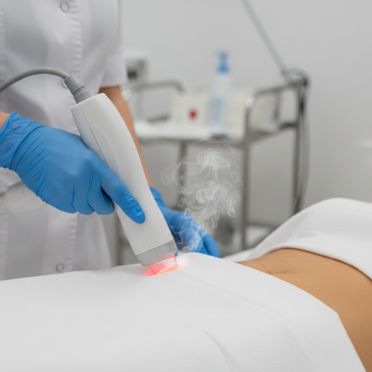
Most women who come to us for CO2 laser have already tried creams and lubricants without much luck. The laser works differently. Controlled energy stimulates collagen in the vaginal wall, so thickness, moisture and tone build back over the following weeks. Three sessions usually cover it, with no hormones involved and no time off.
Laser Vaginal Tightening
Laser tightening is the lighter end of the same technology. Where laxity is mild and dryness comes with it, that lighter setting is usually enough, so the appointment runs shorter too. Two or three visits cover the course. You drive yourself home each time.
PRP and Intimate Wellness Injections
Here we draw a small amount of your own blood, separate the platelet-rich plasma and place it back into the tissue. Those growth factors then improve tissue quality, healing and sensitivity. Since everything comes from your own body, nothing foreign goes in at any stage.
Intimate Skin Lightening
Pigmentation in this area is normal and extremely common, so nobody has to treat it. Where a patient asks us to, though, our team works gradually with clinically tested methods rather than harsh bleaching agents. We will also tell you honestly how much change to expect before you commit to anything.
Pelvic Floor Strengthening
Electromagnetic technology triggers thousands of pelvic floor contractions in one session, far more than anyone manages alone. You stay fully clothed throughout, and the appointment finishes in under half an hour. Postnatal recovery and mild incontinence both respond well, which makes this one of the easiest treatments to fit around work.
Surgery or Laser? Which One Do You Need
The right treatment depends on the cause of looseness. Structural looseness may require surgery, while tissue thinning can respond to laser, hormones, or both. Weak pelvic floor muscles may benefit from pelvic floor sessions instead. When causes overlap, our doctors may recommend a staged treatment plan after examination.
What These Gynecologist Treatments Fix
Women book with us for one or more of these treatments, and every reason is valid. Some seek relief from discomfort or menopausal changes, while others want to improve appearance, tone, or confidence.
Labiaplasty to reshape or reduce the labia minora
Vaginoplasty and vaginal tightening, surgically or with laser
CO2 laser gynecology for atrophy, dryness, and tone
Vaginal rejuvenation combining surgical and non-surgical methods
Non-surgical pelvic floor strengthening, with no anaesthetic and no undressing
Urinary incontinence laser for leakage when you cough, sneeze, or run
PRP intimate treatment using your own platelets
Hormone replacement therapy for menopausal symptoms
Whichever brought you here, you do not need a medical reason to want treatment. A cosmetic concern is enough, and our doctors take it just as seriously. We begin with a private consultation to understand your concerns, discuss suitable options, and explain what each treatment can and cannot achieve. This helps you choose an approach based on your needs rather than pressure or assumptions.
Menopause, Dryness and Painful Intercourse
Most women get vaginal atrophy after menopause. That is just the number, and yet somebody along the way tells them it comes with age and that is the end of it. Age does not fix it. The tissue thins, and then the dryness starts, then the burning and the irritation, then sex hurts. Urinary infections come back more often as well, which is usually the thing that finally brings a woman in.
We treat it with laser, with topical treatment, and with hormonal support if hormones suit you. Most patients end up on some mix of the three. Our doctors will not know the mix until the examination, so that is where it starts. And if menopause itself is doing more than this, our menopause specialist sees you in the same appointment.
Postpartum Recovery
Delivery changes the pelvic floor, the vaginal walls and often the perineum. Part of that settles on its own. The rest will not, and five years of waiting rarely improves it.
From six months postpartum onwards, we can examine you and tell you plainly where you stand. Depending on what we find, treatment might mean pelvic floor sessions, laser, scar revision or surgery. In most cases, women need far less than they feared.
Urinary Leakage Is Treatable
You know where every bathroom in the mall is. The trampoline park with the kids came off the list months ago. Black leggings at the gym, just in case. That pattern has a name, stress incontinence, and roughly one in three women lives with it after childbirth or through menopause.
Laser treatment firms up the tissue supporting the urethra, without surgery and without recovery time. Most patients notice the difference within a few sessions, and they stop organising the whole day around it.
Why Book With Us for Aesthetic Gynecology?
Our department covers surgical and non-surgical treatment together, so the advice you get never comes down to whichever machine happens to sit in the room. Doctors lead every consultation, and a female gynecologist attends whenever you ask for one. Before you commit to anything, you also get pricing and recovery times in writing.
Honesty is what patients tell us they remember afterwards, including the times we say no treatment is needed at all. Records stay confidential and the clinic stays discreet throughout. And because a full women’s health department sits behind all of this, a patient whose symptom turns out to be medical rather than aesthetic gets treated here instead of collecting another referral.
Aesthetic Gynecology in Dubai
Women’s Health Care

Trusta
Labiaplasty: Refine and reshape the labia.

Medical
Vaginal Tightening: Restore firmness and enhance intimate wellness.

Center
Pap Smear: Screen for cervical changes and protect health.
our expert answers
FAQs
Is it painful?
No. Laser feels warm at most, while surgery happens under anaesthetic and simple pain relief handles the soreness afterwards.
What does it cost, and will insurance cover it?
Cost follows the procedure and the technique, so we quote you in writing at the consultation. Cosmetic work rarely qualifies for insurance, though treatment for incontinence, atrophy or scarring sometimes does. Send your policy details and reception checks first.
How long do results last?
Non-surgical treatments typically run twelve to eighteen months before a maintenance session. Surgical results, by contrast, last considerably longer.
Can I have treatment if I want more children?
Non-surgical, generally yes. For surgery, though, most surgeons advise waiting until your family is complete.
How soon after giving birth can I book?
Six months minimum, and longer while breastfeeding. Either way, we assess every patient individually.
Trusta Medical Center