
Pigmentation & Dark Spot Treatment Brighter, Even Skin
If you are dealing with dark spots, uneven skin tone, melasma, sun spots, acne marks, or pigmentation that keeps coming back, the right pigmentation treatment can help improve your skin tone and make your complexion look clearer and more even. Pigmentation treatment in Dubai offers different options to reduce the appearance of excess pigment and improve overall skin clarity.
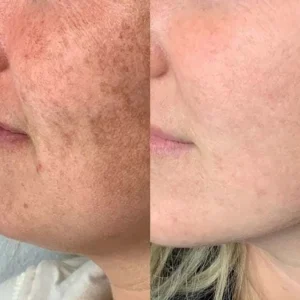
Pigmentation happens when the skin produces too much melanin in certain areas. Laser therapy, chemical peels, microneedling, and medical skincare can be used to target different types of pigmentation, depending on its cause and depth. These treatments may help fade dark spots, improve uneven tone, and support smoother-looking skin.
Trusta Medical Center provides pigmentation and dark spot treatment in Downtown Dubai with DHA-licensed dermatology professionals. Your skin is assessed before treatment so the right option can be selected for your pigmentation concern.
Book your consultation today to discuss your treatment options.

Causes Dark Spots
Different triggers can lead to pigmentation, and knowing the cause helps determine the most suitable treatment.
Sun Exposure
Regular exposure to sunlight can increase melanin production and make existing pigmentation more noticeable. Sun spots often appear on areas that receive frequent sun exposure, such as the face, hands, and shoulders.
Melasma
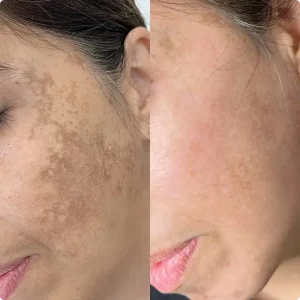
Melasma usually appears as brown or greyish patches, commonly across the cheeks, forehead, and upper lip. Hormonal changes and sun exposure can both play a role.
Acne Marks
Acne and skin inflammation can leave darker marks after a breakout has healed. These marks are known as post-inflammatory pigmentation.
Skin Irritation
Repeated irritation from unsuitable skincare products or other skin treatments can sometimes make pigmentation worse, especially when the skin is sensitive.

Benefits of Pigmentation & Dark Spot Treatment
The main goal is to make the skin tone look more even and reduce the visibility of unwanted dark areas.
Potential benefits include:
- Reduced appearance of dark spots
- More even-looking skin tone
- Brighter complexion
- Improvement in acne marks
- Better-looking skin texture
- Reduced visibility of sun-related pigmentation
- Support for clearer, healthier-looking skin
Results vary depending on the type of pigmentation, the treatment used, and how your skin responds.
Pigmentation Conditions We Treat
Hyperpigmentation
Hyperpigmentation can appear as darker patches or spots on the face, hands, or other areas of the body. Treatment focuses on reducing the visible difference between the pigmented areas and the surrounding skin.
Melasma
Melasma can be more difficult to manage because it may be linked to hormonal changes as well as sun exposure. Treatment is usually gradual, with careful attention to sun protection.
Sun & Age Spots
These are usually flat, darker areas that develop after repeated sun exposure. They are commonly found on the face, hands, shoulders, and other exposed areas.
Post-Inflammatory Pigmentation
Dark marks can remain after acne, irritation, cuts, or other minor skin injuries. Treatment can help these areas gradually blend more closely with the surrounding skin.
Freckles
Freckles are small pigmented spots that can become more visible after sun exposure. Treatment may help reduce their appearance and improve overall skin tone.
Pigmentation Treatment Options in Dubai
Different pigmentation concerns respond to different treatments. A skin assessment helps determine which option is suitable.
Laser Treatment
Laser therapy uses controlled energy to target concentrated pigment in the skin. The energy is absorbed by melanin, helping break down the pigment so it can be cleared as the skin renews itself.
Laser treatment may be considered for sun spots, stubborn pigmentation, and certain types of discoloration.
Chemical Peels
Chemical peels use a solution that helps remove damaged cells from the surface of the skin. This can reduce the appearance of surface pigmentation while also improving skin texture and brightness.
Different peel strengths can be used depending on the skin concern.
You can also explore Chemical Peeling as another option for skin renewal.
Microneedling
Microneedling creates controlled micro-channels in the skin using fine needles. The process supports skin renewal and collagen production and may help improve acne-related pigmentation and uneven texture.
For more information, see our Microneedling Treatment page.
Medical Skincare
Dermatologists may also recommend medical creams or serums as part of pigmentation care. Ingredients such as vitamin C, tretinoin, niacinamide, or kojic acid may be used depending on the type of pigmentation and your skin sensitivity.
Where Can Pigmentation Treatment Be Performed?
Pigmentation can affect different parts of the body, although the face is one of the most common treatment areas.
Face
Treatment can be performed on areas such as the cheeks, forehead, nose, upper lip, chin, and around the mouth, depending on where the pigmentation appears.
Neck
Dark or uneven areas on the neck can also be assessed and treated when appropriate.
Hands
Sun spots and age-related pigmentation can develop on the hands because they are regularly exposed to sunlight.
Other Exposed Areas
Pigmentation may also appear on the shoulders, arms, or other areas exposed to the sun. Treatment depends on the type and depth of the pigmentation.
How Is Pigmentation Diagnosed?
Before treatment, your skin needs to be examined properly.
The specialist looks at the affected areas, discusses your medical history, and asks about your skincare routine and previous treatments. The type of pigmentation, its depth, your skin type, and possible triggers are considered before treatment is recommended.
This step is important because melasma, sun spots, and acne marks do not always need the same treatment.
What to Expect During Treatment
The experience depends on the treatment chosen.
Laser treatment may cause a feeling of warmth or mild tingling. Chemical peels can create a mild stinging sensation, while microneedling may feel like small pinches.
Your skin is monitored during the session, and comfort measures can be used when needed.
After Your Treatment
Some temporary redness, peeling, or sensitivity can occur after pigmentation treatment. The amount of downtime depends on the procedure and how deeply the skin has been treated.
Simple aftercare usually includes:
- Gentle cleansing
- Daily sunscreen
- Avoiding direct sun exposure
- Avoiding strong exfoliating products for the recommended period
- Following the skincare instructions provided by your specialist
Sun protection is especially important because UV exposure can make pigmentation darker again.
How Many Sessions Are Needed?
Pigmentation usually improves gradually rather than after one treatment.
The number of sessions depends on the type of pigmentation and the treatment being used. The source treatment ranges indicate approximately 3–6 sessions for laser therapy, 4–8 for chemical peels, and 3–5 for microneedling, although the final recommendation should be made after a skin assessment.
When Can You See Results?
Some people notice early changes within a few weeks, while deeper pigmentation and melasma can take longer to improve.
Consistent treatment and good sun protection both play an important role in maintaining progress. Pigmentation can return when the skin is repeatedly exposed to triggers such as sunlight or irritation.
Why Choose Trusta Medical Center?
Pigmentation treatment requires more than simply choosing a procedure. The type of pigmentation, skin tone, previous treatments, and depth of the pigment all need to be considered.
Trusta Medical Center provides pigmentation treatment in Downtown Dubai with DHA-licensed dermatology professionals. The clinic uses different treatment options, including laser therapy, chemical peels, microneedling, and medical skincare, so the treatment can be selected according to the pigmentation concern.
The clinic also focuses on proper skin assessment, hygiene, patient safety, and clear aftercare guidance throughout the treatment process.
Related Skin Treatments
Patients who want to improve their overall skin appearance may also explore:
- Acne Scar Treatment for visible acne scars and marks
- Microneedling for texture, scars, and collagen support
- HydraFacial for hydration and surface skin care
- Laser Skin Resurfacing for texture, fine lines, and other surface concerns
These treatments are not suitable for every pigmentation concern, so your skin should be assessed before choosing a combination.
Book Your Pigmentation Consultation in Dubai
Dark spots, melasma, acne marks, or uneven skin tone can be difficult to manage on your own.
Book your consultation with Trusta Medical Center in Downtown Dubai and get professional guidance on the treatment which is suited for your skin condition and pigmentation concern.
our expert answers
Frequently Asked Questions
What causes pigmentation?
Sun exposure, hormonal changes, acne, inflammation, and skin irritation can all contribute to pigmentation.
Can pigmentation be completely removed?
Treatment can significantly reduce the appearance of pigmentation, but some types, especially melasma, may return over time.
Which treatment is best for dark spots?
The right treatment depends on the type and depth of pigmentation. Laser therapy, chemical peels, microneedling, and medical skincare may all be considered.
Is pigmentation treatment safe for all skin tones?
Treatment needs to be selected carefully according to skin tone and pigmentation type. A proper skin assessment helps reduce the risk of unwanted pigment changes.
How long does pigmentation treatment take?
The treatment time varies according to the procedure and treatment area. Your specialist can explain the expected session time during consultation.
 Posted on Google
 amitisful
Trustindex verifies that the original source of the review is Google.
Amazing experience! The staff were wonderful and I’m very happy with the results. I’ll definitely come backThis is truly a state-of-the-art beauty clinic. The facilities, technology, and range of services available here are exceptional, and you won’t easily find the same level of comprehensive care in other clinics. As a physician, I highly recommend visiting this clinic. It is truly in a class of its own when it comes to aesthetic medicine, offering a complete range of beauty and aesthetic services, from surgical to non-surgical treatments, all under one roof..❤️❤️❤️Posted on Google Helmi Emadما شاء الله موقع ممتاز عيادة نظيفة تحسهم من المستقبل أما الاستقبال مررررة أدب تستأنث وياهم الصراحة ما تحس نفسك في عيادة من شدة إهتمام الدكاترة وباقي التيم كله متوفر عندهم مواقف سيارات مجانية ومصعد لذوي الاحتياجات الخاصة أشكر أصدقائي على التوصية بي عيادة ترستا واتمنى لكم التوفيق والنجاحPosted on Google
 Sahar GeramiPosted on Google
 Donna AskariAmazing clinicPosted on Google
 Farnaz Saeedi⭐⭐⭐⭐⭐ I had a great experience at Trusta Clinic. The staff were very professional, friendly, and welcoming. The clinic is clean, modern, and well-organized, and I really appreciated the attention to detail and the quality of service. Highly recommended! I’ll definitely be coming back. ❤️Posted on Google
 Layth SalhabAbsolutely amazing experience at Trusta Medical Center! ⭐️⭐️⭐️⭐️⭐️ The clinic is beautiful, modern, and very clean. The team is professional, welcoming, and genuinely attentive from the moment you arrive. You can really feel the high standard of care and attention to detail. Highly recommended for anyone looking for quality medical and aesthetic services in Dubai. 👌🏻✨Posted on Google
 sahra rezvanpanah⭐⭐⭐⭐⭐ I had a wonderful experience at Trusta Clinic, from the initial consultation all the way through my cosmetic procedure. Everyone, from the staff to the doctors, was incredibly supportive, caring, and attentive throughout the entire process. I truly felt that I was surrounded by people who genuinely cared about me, almost as if I were among friends. I’m very happy with my experience and would definitely recommend Trusta Clinic to anyone considering a cosmetic procedure.Posted on Google
 Mohammed AbdalraheemA lovely experience at Trusta Medical Center. The staff are kind, welcoming, and very professional, and the clinic has a clean and comfortable atmosphere. I truly appreciated the attention to detail, the respectful way everything was explained, and the high standard of care. The doctors are carefully selected and clearly experienced in their fields. A very pleasant and trustworthy medical center that I would happily recommend to others.Posted on Google
 Isis Aamn💖💖🌹 I had a very pleasant experience at Trusta Medical Center. The clinic is clean, elegant, and well organized, and the staff were welcoming and professional from the moment I arrived. I was especially impressed with the aesthetic medicine services. The doctors are highly professional, attentive, and take time to explain everything clearly. The prices are also reasonable and transparent. A very comfortable and trustworthy medical center. Highly recommended!🌹💖Posted on Google
 Ayden⭐⭐⭐⭐⭐ I had a wonderful experience at Trusta Medical Center. From the moment I arrived, the reception team was welcoming, professional, and very well organized. The entire clinic has a clean, elegant, and comfortable atmosphere, which immediately gives you a sense of confidence and trust. I was particularly impressed by their Aesthetic Medicine Department. The team takes the time to understand each patient’s concerns and expectations, and everything is explained clearly before making any decision. Their approach feels professional and patient-centered rather than commercial. The clinic also seems very selective in choosing its doctors. The medical team is experienced, knowledgeable, and genuinely focused on achieving natural and appropriate results while maintaining high standards of safety. Another positive point was the transparency regarding prices and treatment options. Everything was explained clearly, with no unnecessary pressure to undergo additional procedures. Overall, Trusta Medical Center is an excellent polyclinic that combines professional medical care, hospitality, cleanliness, fair pricing, and highly qualified doctors under one roof. I would confidently recommend it to anyone looking for a reliable medical center in Dubai, especially for aesthetic medicine. A truly five-star experience. Highly recommended. ❤️Verified by TrustindexTrustindex verified badge is the Universal Symbol of Trust. Only the greatest companies can get the verified badge who has a review score above 4.5, based on customer reviews over the past 12 months. Read more