- 000 - 123 - 456789
- info@trustaclinic.ae
- VILA 17, Street 73B, AL SATWA, Dubai, UAE

- Double Chin Surgery
- Rhinoplasty
- Facelift
- Blepharoplasty
- Liposuction
- Brazilian Butt Lift
- J-Plasma Renuvion Skin Tightening in Dubai
- Breast Augmentation
- Upper Eyelid Blepharoplasty
- Gynecomastia Surgery
- Breast Reduction
- Eyebrows Transplant
- Lower Eyelid Blepharoplasty
- Tummy Tuck (Abdominoplasty)
- Chin & Jawline Augmentation
- Hair Transplant
- Mini Face Lift
- Neck Lift (Platysmaplasty)

CONTACT US
- (000) 123-456-789
- VILA 17, Street 73B, AL SATWA, Dubai, UAE.
- info@trustaclinic.ae
Upper Eyelid Blepharoplasty in Dubai
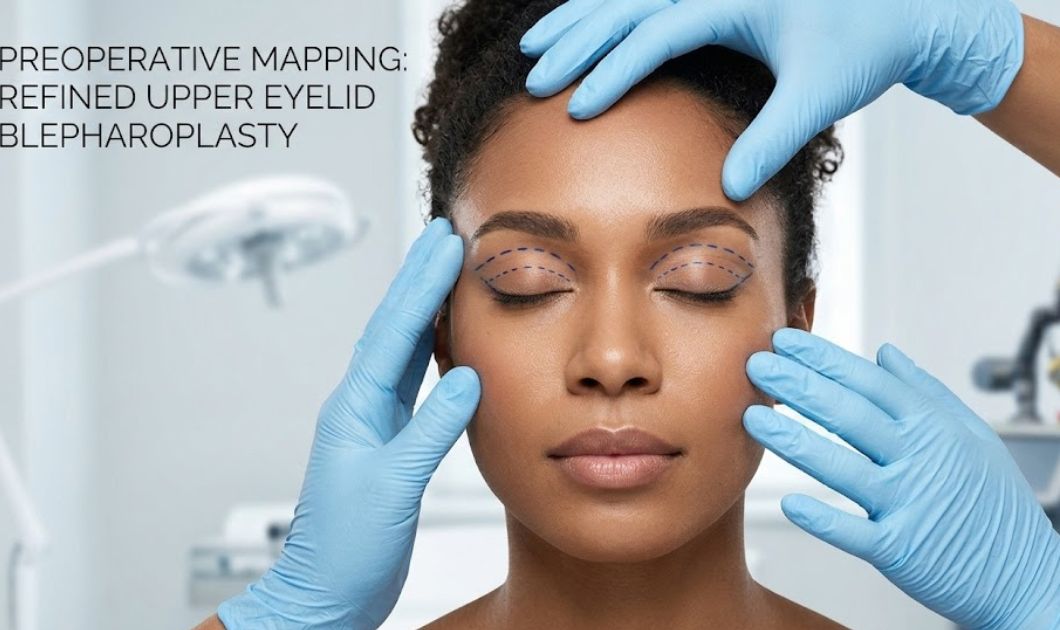
Your eyes say a great deal about how you feel, even when you say nothing at all. When excess skin begins to weigh down the upper lids, the effect goes far beyond appearance. Eyes that once looked bright and alert can start to look tired, heavy, or older than you actually feel. Over time, even simple tasks like applying eye makeup feel pointless when drooping skin undoes the effort almost immediately. In Trusta Clinic Dubai, we understand how much your eyes contribute to the way you present yourself to the world. That is why we offer upper eyelid blepharoplasty as a refined, medically precise solution designed to restore the open, well-rested appearance your eyes deserve.
What is cosmetic upper eyelid Blepharoplasty?
Upper eyelid blepharoplasty is a surgical procedure that removes excess skin, muscle, and in some cases fat from the upper eyelids to produce a more refreshed and rejuvenated look. As we age, the skin around the eyelids gradually loses its elasticity and the muscles that support them weaken over time. This natural ageing process allows surplus tissue to accumulate along the upper lids, creating a droopy, puffy, or uneven appearance that is difficult to address with makeup or skincare alone.
Beyond cosmetic concerns, severely sagging upper eyelid skin can begin to obstruct peripheral vision, particularly in the upper and outer portions of the visual field. Upper eyelid blepharoplasty can therefore serve both a functional and aesthetic purpose. In Trusta Clinic, we approach each procedure with the dual goal of improving appearance while safeguarding the health and function of your eyes.
What makes this procedure particularly valued is its precision. The surgery targets only the upper eyelid area, leaving the rest of the face entirely untouched. Results are subtle enough to look genuinely like you, yet significant enough to make a real difference in how rested, alert, and youthful the eyes appear day to day.
Why Patients Choose Upper Eyelid Blepharoplasty
Patients come to our clinic carrying a range of concerns that cosmetic upper eyelid surgery can meaningfully address. Some arrive primarily for aesthetic reasons while others are experiencing real functional difficulties related to excess skin around the eye area. The most common reasons patients seek this procedure include:
- Puffiness or heaviness above the eyes caused by displaced fat deposits
- Asymmetry between the two upper lids that affects overall facial balance
- Skin folds that cause irritation or dermatitis due to constant surface contact
- Excess upper eyelid skin that partially blocks the outer or upper portions of the visual field
- Drooping or sagging upper eyelids that make the face appear persistently aged or fatigued
Some patients pursue upper eyelid surgery as a standalone procedure while others choose to combine it with treatments such as a brow lift, lower eyelid blepharoplasty, or skin resurfacing for a broader facial improvement. During your consultation, our specialists of Trusta Clinic will assess your anatomy and aesthetic goals to recommend the most appropriate treatment path for your situation.
Who is an Ideal Candidate?
Upper eyelid blepharoplasty is well suited to a wide range of individuals. Most patients considering the procedure are in their 30s or older and have started to notice visible signs of ageing around the eye area. However, younger patients with hereditary eyelid concerns such as naturally heavy or hooded lids can also benefit significantly from the treatment.
The ideal candidate is someone who:
- Does not smoke or is willing to stop well vefore the procedure
- Holds realistic expectations about what upper eyelid surgery can achieve
- Has no severe eye conditions such as glaucoma or chronic dry eye syndrome
- Enjoys generally good overall health with no chronic conditions that could compromise healing
- Wants to improve their appearance while ensuring the result looks genuine and in keeping with their facial features
There is no fixed upper age limit. What matters most is that the patient is physically fit for surgery and that their goals align with what the procedure can realistically deliver. Patients with thyroid disorders, circulatory conditions, or diabetes are welcome to consult with our team. They will simply require a more thorough pre-operative assessment to confirm suitability and ensure their safety throughout. During your initial consultation, our medical team reviews your eye health history, assesses tear production, evaluates the visual field, and takes detailed photographs from multiple angles to form a complete clinical picture before any decisions are made.
How We Perform the Procedure
Upper eyelid blepharoplasty by Trusta Clinic is performed in a certified outpatient setting, meaning most patients return home on the same day. The procedure is carried out under local anaesthesia, sometimes combined with mild sedation to ensure complete comfort. This approach results in a faster recovery and fewer side effects compared to general anaesthesia, and most patients find the experience considerably less daunting than they had imagined.
Marking and Preparation
Our surgeon begins by carefully marking the areas of excess tissue to be removed, taking precise measurements to preserve the natural contour and symmetry of both eyelids. A local anaesthetic is then injected into the upper eyelid to numb the area completely before any incision is made. This step ensures that the patient feels no pain or discomfort at any point during the procedure.
Making the Incision
The surgeon makes a carefully placed incision along the natural crease of the upper eyelid. Because this crease is already a defined fold in the eyelid’s anatomy, it serves as an ideal placement for the incision. Working through this opening, the surgeon removes or repositions the excess skin, underlying muscle tissue, and any fat deposits contributing to the puffiness or drooping. The technique is deliberate and precise, designed to address the root cause of the concern without disturbing the surrounding structures.
Closing and Completion
Once the necessary tissue has been addressed, the incision is closed with very fine sutures. The scar that forms sits within the crease and becomes virtually undetectable as healing progresses over the following weeks and months. The entire procedure typically takes between 45 minutes and one hour depending on the degree of correction required.
In cases where the eyelid droops close to the pupil due to a condition known as ptosis, we may combine blepharoplasty with a ptosis correction to address both issues during the same surgical session. Our team discusses any such combination approaches with you in full before proceeding so that you are entirely comfortable with the plan.
Before

After
Preparing for Your Upper Eyelid Surgery
A good outcome begins well before you arrive on the day of surgery. Proper preparation influences how smoothly the procedure goes and how well recovery progresses in the weeks that follow.
Pre-Operative Assessment
During your consultation with Trusta Clinic, we conduct a comprehensive eye examination that includes tear production testing, eyelid measurement, and where relevant, a visual field assessment to document any obstruction to peripheral vision. Detailed photographs are taken from multiple angles to support surgical planning and provide a clear clinical record.
Medications and Lifestyle Adjustments
In the weeks leading up to surgery, patients are asked to stop taking blood thinning medications including aspirin, ibuprofen, naproxen, and certain herbal supplements well before the procedure to reduce the risk of bleeding. Smoking must be discontinued several weeks before surgery since nicotine significantly impairs the body’s ability to heal and increases the chance of complications. Alcohol should be avoided in the days immediately before surgery.
On the Day of Surgery
We ask patients to arrive with clean skin around the eye area and to leave contact lenses at home. You will need to arrange transport home after the procedure and plan for someone to be with you for the first night of recovery. If your procedure involves any form of sedation, fasting from midnight the night before is required. Our team goes through every preparation requirement clearly at your consultation so that nothing feels unclear or uncertain on the day itself.
What to Expect During Recovery
Recovery from upper eyelid blepharoplasty is generally smooth when patients follow post-operative guidance carefully. Understanding what is normal during healing helps manage expectations and reduces unnecessary concern.
The First Few Days
In the first few days following surgery, it is entirely normal to notice swelling and bruising around the eye area, temporary blurred vision caused by lubricating ointment applied during the procedure, some sensitivity to light, mild discomfort or tightness around the lids, and watering eyes as the area begins to settle. These are all expected responses and resolve on their own as healing progresses. Applying ice packs to the eye area for the first night and continuing with shorter applications four to five times throughout the following day helps manage swelling effectively. Sleeping with the head elevated above chest level for several days is also strongly advised.
The First Two Weeks
Sutures are typically removed within five to seven days of surgery. Most patients feel ready to resume work and light daily activities within seven to ten days. During this period, patients should avoid strenuous physical activity and heavy lifting, refrain from swimming or submerging the face in water, keep contact lenses out for approximately two weeks, avoid rubbing or pressing on the eyes at any stage, and hold off on eye makeup until the surgeon confirms it is safe, usually after one to two weeks. Wearing dark sunglasses outdoors throughout this phase protects the healing skin from both sun exposure and wind.
Ongoing Healing
Full tissue healing continues over several months, and the appearance of the incision line keeps improving throughout this time. The eyelids continue to refine and settle well beyond the initial recovery window, so patients are encouraged to be patient and allow the full result to emerge gradually.
If at any point during recovery you experience severe eye pain, unexpected bleeding, a notable change in vision, chest discomfort, or shortness of breath, please contact us or seek medical attention without delay.
Risks and Safety Considerations
Upper eyelid blepharoplasty is a safe and well-established procedure when performed by a surgeon with the right specialist training. Like all surgical interventions, it does carry some degree of risk that every patient should understand clearly before making a decision.
Common Temporary Effects
The most frequently reported effects following surgery are swelling, bruising, and mild discomfort. These are a routine part of recovery and typically resolve within one to two weeks without any specific treatment beyond the standard aftercare instructions we provide.
Less Common Complications
Some patients may experience dry or irritated eyes during the initial recovery phase, difficulty closing the eyelids fully in the first days after surgery, or temporary light sensitivity. Minor asymmetry between the two eyelids can occasionally occur and usually settles as healing progresses over the following weeks
Rare but Serious Risks
Infection at the incision site is possible but uncommon, and it can be treated effectively when identified early. In very rare cases, temporary changes to vision may occur and will require prompt medical review.
Bleeding within the eye socket is an extremely uncommon adverse effect that demands immediate attention if it arises.
In Trusta Clinic, our surgeons bring specialist training in both ophthalmology and aesthetic eyelid surgery.
This depth of knowledge means we understand the delicate anatomy of the periocular region in a way that goes beyond cosmetic training alone. Thorough pre-operative assessment, careful surgical technique, and structured follow-up care together form a safety framework that we take seriously on behalf of every patient we treat.
Scarring After Upper Eyelid Surgery
One of the most frequently asked questions from patients considering upper eyelid blepharoplasty in Dubai is whether the procedure will leave visible scarring. The answer provides genuine reassurance. Because the incision is placed within the natural crease of the upper eyelid, any resulting scar sits inside a fold of skin that remains hidden when the eye is open. Even in the early weeks of healing when the incision line may appear slightly pink, it is entirely concealed within this crease.
With consistent aftercare including UV protection and any scar management guidance we provide, the incision line continues to soften and fade over the months following surgery. For the vast majority of patients, it eventually blends into the surrounding skin so thoroughly that there is no visible indication that a procedure ever took place.
Results and What You Can Realistically Expect
Upper eyelid blepharoplasty produces results that patients consistently describe as meaningful and confidence-building. Eyes that once appeared weighed down and tired take on a brighter, more open quality. The change reads as looking well-rested and like yourself rather than looking surgically altered, which is exactly the outcome we work toward in Trusta Clinic.
When Will You See Results?
Initial improvements are visible almost immediately as early swelling begins to settle. The timeline generally follows this pattern:
- Within two to three weeks, swelling diminishes noticeably and the refreshed contour of the upper eyelid becomes increasingly visible
- By the two to three month mark, the full result of the procedure is clearly evident with smoother lids and a more defined upper eyelid crease
- Incision lines continue to fade and refine over the following months, with the final appearance continuing to improve well into the recovery period
How Long Do Results Last?
The tissue that has been surgically removed does not regrow, so the structural improvement achieved through the procedure holds for many years. Ageing continues over time and skin behaviour changes gradually, but the improvement relative to the untreated appearance remains a consistent and noticeable benefit. Some patients enjoy results that endure for many years without any further intervention, while others may choose to address additional age related changes at a later stage.
Beyond the Physical
Patients also frequently report benefits beyond what is visible in the mirror. An improved peripheral visual field where excess skin was previously causing obstruction, greater ease with everyday tasks, and a renewed confidence in social and professional settings are among the outcomes our patients consistently share during follow-up appointments. When patients tell us that colleagues keep asking if they have been on holiday, we know the result has achieved exactly what it was meant to.
Why Choose Trusta Clinic for Upper Eyelid Blepharoplasty in Dubai?
In Trusta Clinic Dubai, clinical precision and genuine patient care go hand in hand. From your first consultation through to your final follow-up, our team is present and attentive at every stage. We take the time to understand your specific concerns, your lifestyle, and what you are hoping to achieve before any treatment recommendation is made. Nothing is rushed and no procedure is suggested unless it is genuinely the right fit for you.
Our surgical team brings deep expertise in oculoplastic and cosmetic eyelid surgery, supported by thorough pre-operative protocols, careful technique, and structured post-operative care. We believe the best results come not only from skilled hands in the operating theatre but from a relationship built on honest communication and clear expectation setting between patient and clinician.
If drooping upper eyelids, excess skin, or puffiness around the eyes has been affecting how you look or how you feel about yourself, we encourage you to take the first step. Book a consultation with our team today and let us help you determine whether upper eyelid blepharoplasty is the right choice for you.
