
Facelift Dubai: Natural Facelift Surgery at Trusta Medical Center
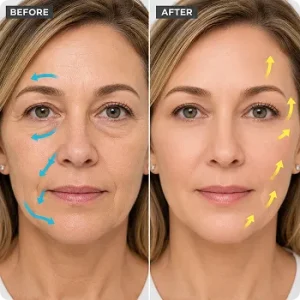
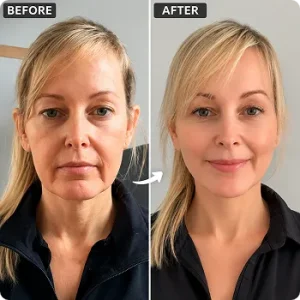
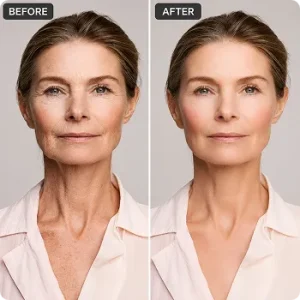
Loose skin, jowls, a softer jawline, and changes around the neck are common signs of ageing. When these changes become more noticeable, it’s time to consider facial rejuvenation surgery. Trusta Medical Center provides facelift surgery in Dubai, UAE. For patients considering Facelift in Dubai, the procedure lifts deeper facial tissues, removes excess skin, and restores definition to the face and jawline.
Trusta Medical Center provides Mini Facelift, SMAS Facelift, and Deep Plane Facelift procedures in Downtown Dubai with our experienced surgeons. Our professional surgeons assess your facial structure, skin laxity, and areas of concern before recommending the most suitable approach.
Our focus is on creating a natural look instead of making the whole face look changed. During your first consultation, our medical team understands your concerns, reviews your medical history, and clearly explains the treatment, recovery, and results you can expect.
Book your consultation with our experienced surgical team to discuss your concerns and find out which approach suits your facial needs.

Benefits of Facelift Surgery
A facelift focuses on the deeper facial tissues as well as excess skin. It helps restore definition without giving the face an overly tight appearance.
- Improved Jawline Definition: We restore a clearer, firmer appearance around the jawline.
- Smoother Neck Contours: We address loose skin and neck laxity to create a cleaner transition between the face and neck.
- Reduced Jowls: We lift and reposition facial tissues to improve sagging along the lower face.
- Better Facial Balance: The procedure brings greater definition and proportion to the cheeks, jawline, and neck.
- Long-Lasting Results: Surgical results develop gradually during healing and remain visible for many years.

Ideal Candidate for This Treatment
Facial ageing looks different from one person to another. Some people notice loose skin and jowls earlier, while others retain firm facial contours for longer. Surgical facial lifting is generally considered when loose skin and deeper tissue changes become more noticeable and non-surgical treatments no longer provide the level of improvement desired.
Common concerns include:
- Loose skin around the cheeks and jawline
- Visible jowls
- A less defined jawline
- Deep smile or marionette lines
- Loose skin around the neck
- Drooping or flattened midface contours
- Reduced skin firmness following previous aesthetic treatments
Good overall health, realistic expectations, and a clear understanding of the recovery process are important before surgery.
What Causes Facial Ageing?
Facial ageing happens through several changes that occur over time. The body produces less collagen and elastin, the skin becomes less firm, facial fat shifts, and deeper supporting tissues gradually lose their position.
Common factors include:
- Natural collagen loss
- Reduced skin elasticity
- Sun exposure
- Smoking
- Weight changes
- Genetics
- Repeated facial movement
These changes affect several layers of the face, which is why surgical lifting focuses on more than loose skin alone.
Facelift in Dubai: Facial Lifting Techniques We Provide
Different techniques address different levels of facial ageing. Our surgeons assess your facial structure and degree of skin laxity before deciding which approach suits your treatment needs.
Mini Facelift
A Mini Facelift focuses mainly on early sagging around the lower face and jawline. It involves smaller incisions and generally provides a shorter recovery than a full procedure.
SMAS Facelift
A SMAS facelift works on the deeper support layer beneath the skin rather than relying on skin tightening alone. This approach helps improve jowls, loose cheeks, and jawline definition while keeping the result natural.
Deep Plane Facelift
A Deep Plane Facelift works beneath the SMAS layer by releasing specific retaining ligaments and repositioning deeper facial tissues. This technique focuses on areas such as the midface, lower face, and jawline.
Facial Lift with Neck Lift
Surgeons often combine facial lifting with a neck lift when loose skin or neck banding is also present. Our Neck Lift (Platysmaplasty) page explains this procedure in more detail.
How is the Surgery Performed?
The procedure begins with a detailed consultation and facial assessment. Our surgeons examine your skin quality, facial contours, jawline, neck, and deeper facial structures before deciding on the surgical approach.
Step 1: Facial Assessment
Our surgeon reviews your medical history, examines facial symmetry and skin laxity, and discusses the areas you want to improve.
Step 2: Anaesthesia
The surgery generally uses general anaesthesia. Your surgeon discusses the anaesthesia plan during your consultation based on the procedure and your medical needs.
Step 3: Incisions
Our surgeons place incisions along natural contours around the ears and within the hairline. The exact incision pattern depends on the technique.
Step 4: Lifting the Facial Tissues
Our surgeons lift and reposition the deeper facial tissues according to the surgical plan. This step helps restore definition to the cheeks, jawline, and lower face.
Step 5: Removing Excess Skin
Once the surgeons reposition the deeper tissues, they carefully remove excess skin. They then redrape the remaining skin without excessive tension.
Step 6: Closing the Incisions
Our surgeons carefully close the incisions to help the skin heal well while keeping visible scarring as subtle as possible. After that, they apply dressings and provide post-operative monitoring and aftercare instructions.
What Happens During the Procedure?
The exact steps depend on the technique selected for your treatment. The procedure generally involves:
- Repositioning deeper facial tissues
- Improving jawline definition
- Lifting descended cheek and lower-face tissues
- Addressing loose skin
- Refining the neck when a neck lift forms part of the procedure

Recovery After Surgery
Swelling, bruising, tightness, and mild discomfort are common during the early recovery period. These effects gradually settle as your body heals.
Typical Recovery Timeline
- Days 1–3: Swelling and bruising are usually most noticeable. Rest and keep your head elevated.
- Days 7–10: Your surgeon generally removes the sutures, depending on your healing.
- Weeks 2–3: Many patients return to light social activities and desk-based work.
- Weeks 4–6: Most visible swelling has reduced, while strenuous exercise remains restricted.
- Months 3–4: Facial contours continue to settle and the final result becomes clearer.
What Causes Facial Aging?
Facial aging results from a mix of biological and lifestyle factors. Collagen and elastin decline, facial fat shifts downward, and the retaining ligaments that hold tissue in place begin to loosen. Over time, these changes affect facial proportions and create a tired appearance.
Common contributors include:
- Natural collagen loss
- Reduced skin elasticity
- Gravity and repeated facial movement
- Sun exposure and smoking
- Weight fluctuations and genetics
Because aging affects multiple tissue layers, a complete facelift surgery Dubai plan addresses more than surface skin.
Deep Plane vs. SMAS Facelift
| Factor | SMAS Facelift | Deep Plane Facelift |
|---|---|---|
| Main tissue addressed | SMAS layer | SMAS and deeper tissues |
| Common concerns | Jowls and moderate sagging | Midface, lower face, and advanced sagging |
| Midface improvement | Moderate | More extensive |
| Recovery | Generally shorter | Generally longer |
| Results | Long-lasting | Long-lasting |
Our surgeons select the technique after examining your facial structure and the extent of ageing.
Facelift vs. Non-Surgical Skin Tightening
Patients often compare surgical facelift options with non-surgical skin tightening before deciding on a treatment path. Both aim to improve facial appearance, but they work in very different ways.
- Endolift uses a laser fibre to tighten skin and stimulate collagen without incisions, making it suited to mild to moderate skin laxity.
- Thread Lift places dissolvable threads beneath the skin for a temporary lift, suited to early sagging rather than advanced jowls.
Facelift surgery addresses the structural causes of aging directly, which makes it the preferred option for patients with significant skin laxity, jowls, or loss of jawline definition.
| Treatment | Deep Tissue Lift | Typical Downtime | Results |
|---|---|---|---|
| Facial Lift Surgery | Yes | 2–4 weeks | Long-lasting |
| Endolift | No | 2–3 days | Temporary |
| Thread Lift | No | Minimal | Temporary |
| Dermal Fillers | No | Minimal | Temporary |
Combining Facial Lifting with Other Procedures
A facial lift is sometimes combined with another procedure when more than one area of the face or neck needs attention. During your consultation, our surgeon will assess your facial structure and discuss the procedures that fit your treatment goals.
- Neck Lift: Helps support loose skin and improves definition around the neck and jawline.
- Blepharoplasty: Treats loose skin and puffiness around the upper or lower eyelids.
- Rhinoplasty: Addresses concerns related to the shape and proportions of the nose.
- J-Plasma Skin Tightening: Provides additional skin tightening where loose skin remains a concern.
The final treatment plan depends on your concerns, medical history, facial structure, and surgical assessment.
How Long Does a Facelift Last?
A well-performed facelift can keep its improvement visible for many years, even though natural aging continues afterward. Longevity depends on several factors, including:
- Age at the time of surgery
- Skin elasticity and facial anatomy
- Lifestyle habits, sun exposure, and smoking
- Weight stability and skincare routine
Why Choose Trusta Medical Center?
Choosing the right clinic and surgical team is an important part of facial rejuvenation. Trusta Medical Center has built a strong presence in Downtown Dubai. Our professional team focuses on understanding each patient’s concerns before discussing any treatment.
Our surgeons:
- Assess your facial anatomy before recommending surgery
- Review your medical history carefully
- Explain the available techniques
- Discuss expected results and recovery
- Focus on natural-looking facial changes
- Provide follow-up care throughout the recovery period
Facelift in Dubai Cost
The facelift cost varies according to the technique, surgical complexity, anaesthesia, facility requirements, and any additional procedures included in the treatment plan.
The final cost depends on:
- Type of procedure
- Degree of facial and neck laxity
- Surgical complexity
- Anaesthesia and facility fees
- Additional procedures
- Post-operative care
We discuss the complete treatment cost during your consultation so you have clear information before proceeding.
Book Your Facial Rejuvenation Consultation
We keep the process clear and straightforward. Our surgeons explain the available options, what the surgery involves, how recovery usually goes, and what sort of changes you can expect, so you know what you are choosing before moving forward.
Book your consultation with Trusta Medical Center to discuss your concerns and treatment options with our surgical team.
our expert answers
Frequently Asked Questions
How long does facelift surgery in Dubai take?
Most facelift surgery procedures take 3–6 hours, depending on the technique.
Will my facelift look natural?
Yes, our experienced surgeons perform facelift surgery in Dubai using advanced techniques to achieve natural-looking, balanced results.
Can a facelift improve my neck?
Yes, facelift surgery can improve the jawline and neck, and it is often combined with a neck lift for enhanced definition.
Is facelift surgery painful?
Most patients experience mild discomfort after facelift surgery, which is effectively managed with prescribed medication.
 Posted on Google
 amitisful
Trustindex verifies that the original source of the review is Google.
Amazing experience! The staff were wonderful and I’m very happy with the results. I’ll definitely come backThis is truly a state-of-the-art beauty clinic. The facilities, technology, and range of services available here are exceptional, and you won’t easily find the same level of comprehensive care in other clinics. As a physician, I highly recommend visiting this clinic. It is truly in a class of its own when it comes to aesthetic medicine, offering a complete range of beauty and aesthetic services, from surgical to non-surgical treatments, all under one roof..❤️❤️❤️Posted on Google Helmi Emadما شاء الله موقع ممتاز عيادة نظيفة تحسهم من المستقبل أما الاستقبال مررررة أدب تستأنث وياهم الصراحة ما تحس نفسك في عيادة من شدة إهتمام الدكاترة وباقي التيم كله متوفر عندهم مواقف سيارات مجانية ومصعد لذوي الاحتياجات الخاصة أشكر أصدقائي على التوصية بي عيادة ترستا واتمنى لكم التوفيق والنجاحPosted on Google
 Sahar GeramiPosted on Google
 Donna AskariAmazing clinicPosted on Google
 Farnaz Saeedi⭐⭐⭐⭐⭐ I had a great experience at Trusta Clinic. The staff were very professional, friendly, and welcoming. The clinic is clean, modern, and well-organized, and I really appreciated the attention to detail and the quality of service. Highly recommended! I’ll definitely be coming back. ❤️Posted on Google
 Layth SalhabAbsolutely amazing experience at Trusta Medical Center! ⭐️⭐️⭐️⭐️⭐️ The clinic is beautiful, modern, and very clean. The team is professional, welcoming, and genuinely attentive from the moment you arrive. You can really feel the high standard of care and attention to detail. Highly recommended for anyone looking for quality medical and aesthetic services in Dubai. 👌🏻✨Posted on Google
 sahra rezvanpanah⭐⭐⭐⭐⭐ I had a wonderful experience at Trusta Clinic, from the initial consultation all the way through my cosmetic procedure. Everyone, from the staff to the doctors, was incredibly supportive, caring, and attentive throughout the entire process. I truly felt that I was surrounded by people who genuinely cared about me, almost as if I were among friends. I’m very happy with my experience and would definitely recommend Trusta Clinic to anyone considering a cosmetic procedure.Posted on Google
 Mohammed AbdalraheemA lovely experience at Trusta Medical Center. The staff are kind, welcoming, and very professional, and the clinic has a clean and comfortable atmosphere. I truly appreciated the attention to detail, the respectful way everything was explained, and the high standard of care. The doctors are carefully selected and clearly experienced in their fields. A very pleasant and trustworthy medical center that I would happily recommend to others.Posted on Google
 Isis Aamn💖💖🌹 I had a very pleasant experience at Trusta Medical Center. The clinic is clean, elegant, and well organized, and the staff were welcoming and professional from the moment I arrived. I was especially impressed with the aesthetic medicine services. The doctors are highly professional, attentive, and take time to explain everything clearly. The prices are also reasonable and transparent. A very comfortable and trustworthy medical center. Highly recommended!🌹💖Posted on Google
 Ayden⭐⭐⭐⭐⭐ I had a wonderful experience at Trusta Medical Center. From the moment I arrived, the reception team was welcoming, professional, and very well organized. The entire clinic has a clean, elegant, and comfortable atmosphere, which immediately gives you a sense of confidence and trust. I was particularly impressed by their Aesthetic Medicine Department. The team takes the time to understand each patient’s concerns and expectations, and everything is explained clearly before making any decision. Their approach feels professional and patient-centered rather than commercial. The clinic also seems very selective in choosing its doctors. The medical team is experienced, knowledgeable, and genuinely focused on achieving natural and appropriate results while maintaining high standards of safety. Another positive point was the transparency regarding prices and treatment options. Everything was explained clearly, with no unnecessary pressure to undergo additional procedures. Overall, Trusta Medical Center is an excellent polyclinic that combines professional medical care, hospitality, cleanliness, fair pricing, and highly qualified doctors under one roof. I would confidently recommend it to anyone looking for a reliable medical center in Dubai, especially for aesthetic medicine. A truly five-star experience. Highly recommended. ❤️Verified by TrustindexTrustindex verified badge is the Universal Symbol of Trust. Only the greatest companies can get the verified badge who has a review score above 4.5, based on customer reviews over the past 12 months. Read more