
Eyelid Surgery (Blepharoplasty) for Brighter & Younger-Looking Eyes
Trusta Medical Center is DHA-licensed medical facility, offers advanced eyelid surgery in Dubai to enhance the appearance of the upper eyelids, lower eyelids, or both. Also known as blepharoplasty, this cosmetic procedure removes or repositions excess skin, fat, and, when necessary, muscle around the eyes to create a smoother, more youthful, and refreshed appearance. Many people choose eyelid surgery to correct sagging upper eyelids, reduce puffy under-eye bags, or achieve a brighter, more alert look. Although the procedure is considered safe when performed by experienced surgeons, it is important to discuss the benefits, potential risks, and expected results during your consultation.
Trusta Medical Center performs eyelid surgery through experienced, board-certified plastic surgeons who focus on achieving natural-looking results. Whether you are considering an upper eyelid lift for drooping eyelids or lower eyelid surgery to treat persistent eye bags, every treatment plan is carefully customized to suit your facial anatomy, aesthetic goals, and desired outcome.

What Is Blepharoplasty and Why Is It Used?
Blepharoplasty is a surgical procedure that removes or repositions excess skin, fat, or muscle around the eyes. The goal is not to change your natural features but to refresh the eye area so it appears less tired and more rested.
Common Concerns Treated
Eyelid surgery can address a range of concerns, including:
- Drooping or hooded upper eyelids
- Puffiness and bags under the eyes
- Loose or sagging skin around the eyes
- Excess fat around the eyelids
- A tired or aged appearance around the eyes
Some patients choose both upper and lower eyelid surgery when both areas show signs of aging, excess skin, or unwanted fat.
Types of eyelid surgery
Upper Eyelid Blepharoplasty
Upper blepharoplasty focuses on correcting drooping upper eyelids caused by aging, genetics, or loss of skin elasticity. The procedure removes excess skin and tissue that may create a hooded appearance or interfere with vision.
Benefits include:
- More open and youthful-looking eyes
- Improved eyelid contour
- Reduced heaviness of the upper eyelids
- Enhanced field of vision when skin obstructs sight
Lower Blepharoplasty
Lower blepharoplasty addresses eye bags, puffiness, and loose skin beneath the eyes. Instead of simply removing fat, modern techniques often reposition fat to create a smoother transition between the lower eyelid and cheek.
This approach helps:
- Reduce under-eye bags
- Remove or reposition fat pockets
- Tighten loose skin
- Improve under-eye contours
- Minimize tired-looking eyes
Patients seeking surgical eye bag removal often benefit from lower eyelid surgery combined with skin tightening techniques.
Combined Upper and Lower Blepharoplasty
Many patients choose both procedures together for comprehensive eye rejuvenation. Treating both the upper and lower eyelids during one surgery creates a balanced, harmonious appearance while reducing overall recovery time compared to separate procedures.

Who Is an Ideal Candidate for Blepharoplasty?
Eyelid surgery may be considered by people who notice:
- Drooping or hooded upper eyelids
- Persistent under-eye bags or puffiness
- Loose skin around the eyes
- A tired or aged appearance around the eye area
- Vision obstruction caused by excess upper eyelid skin
What our Surgeon Will Assess
Our surgeon will evaluate the condition of the eyelid skin, the amount of excess tissue or fat, eye health, and your overall medical history before recommending surgery.
How Should You Prepare for Eyelid Surgery?
Preparation begins with a medical assessment and consultation with your surgeon. Your surgeon will review your medical history, examine the eye area, and explain what you should do before the procedure.
Preparation may include:
- Medical evaluation
- Eye and vision assessment
- Medication review
- Guidance regarding blood-thinning medicines
- Smoking restrictions before surgery
- Arrangements for transportation after the procedure
- Preparing for the recovery period
Our surgeon will provide specific instructions based on your planned procedure and individual circumstances.
What Happens During Eyelid Surgery?
Eyelid surgery may be performed under local anaesthesia with sedation or general anaesthesia, depending on the procedure and surgical plan.
Upper Eyelid Surgery
A discreet incision is made within the natural upper eyelid crease. Excess skin, muscle, and fat may then be removed or repositioned before the incision is closed with fine sutures.
Lower Eyelid Surgery
The incision may be placed below the lash line or inside the eyelid. Fat can be removed or repositioned, while loose skin is carefully addressed to improve the contour beneath the eye.
How Long Does Blepharoplasty Take?
Procedure length depends entirely on your specific treatment plan:
- Upper blepharoplasty: approximately 45–90 minutes
- Lower blepharoplasty: approximately 1–2 hours
- Combined upper and lower surgery: approximately 2–3 hours
Most patients return home the very same day, since eyelid surgery rarely requires hospital admission.
Blepharoplasty vs. Non-Surgical Eye Rejuvenation: Which Is Right for You?
Not everyone needs or wants surgery right away. Here’s how surgical and non-surgical options compare.
| Approach | Best For | Results |
|---|---|---|
| Surgical blepharoplasty | Excess skin, fat pockets, hooding | Long-lasting, often permanent |
| Non-surgical treatments (e.g., dermal fillers, skin tightening) | Mild volume loss or early skin laxity | Temporary, requires maintenance |
Patients with significant excess skin or pronounced fat pockets generally see far more dramatic, lasting change from surgery. Those with milder concerns, meanwhile, may benefit from exploring non-surgical treatments through our dermatology team before considering surgery.
What Should You Expect After Eyelid Surgery?
Swelling, bruising, tightness, and mild discomfort are common during the first few days after surgery. These effects generally improve as healing progresses.
Post-Operative Care
Your surgical team will provide aftercare instructions, which may include:
- Cold compresses
- Prescribed eye drops or medication
- Sleeping with the head elevated
- Avoiding strenuous activities
- Protecting the eyes from direct sunlight
- Attending scheduled follow-up appointments
Why Does My Eyelid Hurt After Surgery?
Mild tenderness, tightness, or discomfort can occur during early healing. However, sudden, severe, or worsening pain should be reported to your surgeon promptly.
Eyelid Surgery Complications: What Are the Risks?
Like any surgical procedure, blepharoplasty carries some risk. Eyelid surgery complications, although uncommon with an experienced surgeon, can include:
- Infection
- Bleeding
- Eyelid dryness
- Temporary blurred vision
- Scarring
- Asymmetry
- Delayed healing
Choosing a genuinely experienced eyelid surgeon in Dubai significantly lowers these risks. In Trusta Medical Center, patient safety guides every stage of treatment, from the initial consultation through your final follow-up visit.
Blepharoplasty Recovery Timeline
Recovery naturally varies between patients, yet most follow a similar overall pattern.
First week: Swelling and bruising peak, though discomfort remains manageable with prescribed medication.
Two weeks: Bruising improves significantly, and many patients return to work and normal social activities.
Four to six weeks: Residual swelling continues fading, and surgical results become increasingly visible.
Three to six months: Final results fully settle, and any remaining scarring continues to soften.
Following your surgeon’s instructions closely throughout this period supports the smoothest possible healing.
Why Choose Trusta Medical Center for Blepharoplasty?
Trusta Medical Center operates as a fully DHA-licensed clinic in the heart of Dubai, meaning every consultation and surgical step follows strict regulatory standards rather than marketing promises. Our experienced, board-certified surgeons take the time to assess your unique anatomy before recommending upper eyelid blepharoplasty, lower eyelid blepharoplasty, or a combined approach.
Patients consistently choose Trusta Medical Center because:
- Surgeons hold verified board certification and active DHA licensing
- Treatment plans are personalized rather than templated
- Results look natural, never overdone
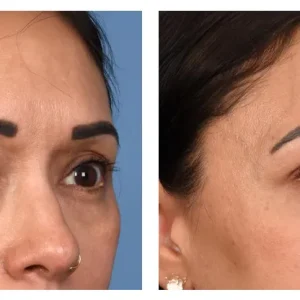
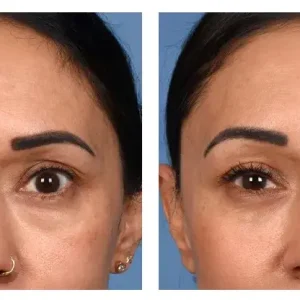
- Before-and-after results reflect real patients, not stock photography
- Aftercare includes structured follow-up rather than a single post-op visit
If you’re ready to discuss your options honestly, our plastic surgery team welcomes the conversation.
Book Your Consultation Today
If drooping eyelids, under-eye bags, excess skin, or puffiness are affecting the appearance of your eyes, eyelid surgery in Dubai may help create a fresher and more rested-looking appearance.
Our surgeon will assess your eyelid area, discuss your concerns, and explain the most suitable treatment approach. Book your consultation today with Trusta Medical Center to learn more about blepharoplasty and your treatment options.
our expert answers
Frequently Asked Questions
Is upper eyelid surgery painful?
No, not in the way most people fear. The procedure takes place under anesthesia, and most patients describe only mild discomfort, tightness, or pressure during recovery.
Do you lose your eyelashes after upper blepharoplasty?
No. Eyelashes are typically unaffected by the surgery. Temporary shedding is uncommon and, if it does occur, usually resolves naturally on its own.
How long is recovery from upper lid surgery?
Most patients return to normal activities within 7 to 14 days, while final healing and results continue developing over several months.
Most patients return to normal activities within 7 to 14 days, while final healing and results continue developing over several months.
Yes. When performed by a qualified, experienced surgeon, upper eyelid surgery is considered a safe procedure with a strong track record of patient satisfaction.
Can upper and lower blepharoplasty be combined?
Yes. Many patients choose to combine both procedures in a single visit to achieve more comprehensive rejuvenation around the eyes.
 Posted on Google
 amitisful
Trustindex verifies that the original source of the review is Google.
Amazing experience! The staff were wonderful and I’m very happy with the results. I’ll definitely come backThis is truly a state-of-the-art beauty clinic. The facilities, technology, and range of services available here are exceptional, and you won’t easily find the same level of comprehensive care in other clinics. As a physician, I highly recommend visiting this clinic. It is truly in a class of its own when it comes to aesthetic medicine, offering a complete range of beauty and aesthetic services, from surgical to non-surgical treatments, all under one roof..❤️❤️❤️Posted on Google Helmi Emadما شاء الله موقع ممتاز عيادة نظيفة تحسهم من المستقبل أما الاستقبال مررررة أدب تستأنث وياهم الصراحة ما تحس نفسك في عيادة من شدة إهتمام الدكاترة وباقي التيم كله متوفر عندهم مواقف سيارات مجانية ومصعد لذوي الاحتياجات الخاصة أشكر أصدقائي على التوصية بي عيادة ترستا واتمنى لكم التوفيق والنجاحPosted on Google
 Sahar GeramiPosted on Google
 Donna AskariAmazing clinicPosted on Google
 Farnaz Saeedi⭐⭐⭐⭐⭐ I had a great experience at Trusta Clinic. The staff were very professional, friendly, and welcoming. The clinic is clean, modern, and well-organized, and I really appreciated the attention to detail and the quality of service. Highly recommended! I’ll definitely be coming back. ❤️Posted on Google
 Layth SalhabAbsolutely amazing experience at Trusta Medical Center! ⭐️⭐️⭐️⭐️⭐️ The clinic is beautiful, modern, and very clean. The team is professional, welcoming, and genuinely attentive from the moment you arrive. You can really feel the high standard of care and attention to detail. Highly recommended for anyone looking for quality medical and aesthetic services in Dubai. 👌🏻✨Posted on Google
 sahra rezvanpanah⭐⭐⭐⭐⭐ I had a wonderful experience at Trusta Clinic, from the initial consultation all the way through my cosmetic procedure. Everyone, from the staff to the doctors, was incredibly supportive, caring, and attentive throughout the entire process. I truly felt that I was surrounded by people who genuinely cared about me, almost as if I were among friends. I’m very happy with my experience and would definitely recommend Trusta Clinic to anyone considering a cosmetic procedure.Posted on Google
 Mohammed AbdalraheemA lovely experience at Trusta Medical Center. The staff are kind, welcoming, and very professional, and the clinic has a clean and comfortable atmosphere. I truly appreciated the attention to detail, the respectful way everything was explained, and the high standard of care. The doctors are carefully selected and clearly experienced in their fields. A very pleasant and trustworthy medical center that I would happily recommend to others.Posted on Google
 Isis Aamn💖💖🌹 I had a very pleasant experience at Trusta Medical Center. The clinic is clean, elegant, and well organized, and the staff were welcoming and professional from the moment I arrived. I was especially impressed with the aesthetic medicine services. The doctors are highly professional, attentive, and take time to explain everything clearly. The prices are also reasonable and transparent. A very comfortable and trustworthy medical center. Highly recommended!🌹💖Posted on Google
 Ayden⭐⭐⭐⭐⭐ I had a wonderful experience at Trusta Medical Center. From the moment I arrived, the reception team was welcoming, professional, and very well organized. The entire clinic has a clean, elegant, and comfortable atmosphere, which immediately gives you a sense of confidence and trust. I was particularly impressed by their Aesthetic Medicine Department. The team takes the time to understand each patient’s concerns and expectations, and everything is explained clearly before making any decision. Their approach feels professional and patient-centered rather than commercial. The clinic also seems very selective in choosing its doctors. The medical team is experienced, knowledgeable, and genuinely focused on achieving natural and appropriate results while maintaining high standards of safety. Another positive point was the transparency regarding prices and treatment options. Everything was explained clearly, with no unnecessary pressure to undergo additional procedures. Overall, Trusta Medical Center is an excellent polyclinic that combines professional medical care, hospitality, cleanliness, fair pricing, and highly qualified doctors under one roof. I would confidently recommend it to anyone looking for a reliable medical center in Dubai, especially for aesthetic medicine. A truly five-star experience. Highly recommended. ❤️Verified by TrustindexTrustindex verified badge is the Universal Symbol of Trust. Only the greatest companies can get the verified badge who has a review score above 4.5, based on customer reviews over the past 12 months. Read more