- 000 - 123 - 456789
- info@trustaclinic.ae
- VILA 17, Street 73B, AL SATWA, Dubai, UAE


CONTACT US
- (000) 123-456-789
- VILA 17, Street 73B, AL SATWA, Dubai, UAE.
- info@trustaclinic.ae
Dry Needling Dubai
Trusta Clinic: Real Pain Relief, Done the Right Way
Living with pain is really tiring. It can be a back that hurts a lot every week, a neck that is always stiff or bad headaches that stop you from living a normal life. It is all very draining. The Trusta Clinic in Dubai has helped a lot of people deal with pain that they thought they could not get rid of by using needling, as part of a special physiotherapy program. Dry needling is not a solution to make the pain go away. What it is, though, is a genuinely effective clinical technique that goes straight to the source of muscular pain, the tight, knotted bands deep in your muscles that keep triggering discomfort no matter what else you try. Our physiotherapists use it every day with real patients getting real results.
This page covers everything you need to know before booking your first appointment, what the treatment actually involves, which conditions it helps, what to expect during and after a session, and why Trusta Clinic is a trusted choice for dry needling dubai.
So What Exactly Is Dry Needling?
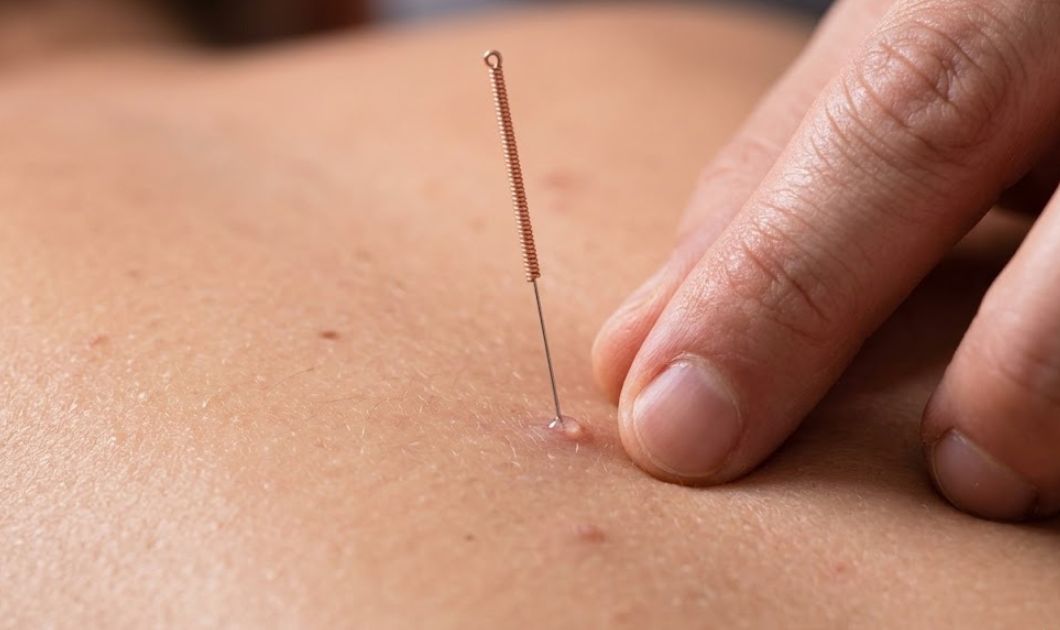
Physiotherapists use needling to help people who have muscle pain and tightness. They use a thin needle. It is a lot thinner than the needle they use for injections. This thin needle is put into a spot in the muscle, which is called a trigger point. The muscle has these trigger points, which’re like knots that get very tight. These knots in the muscle just will not loosen up on their own. Physiotherapists use needling to deal with these trigger points in the muscle. Dry needling is used to help the muscle feel better.
What Happens Inside the Muscle
When the needle hits a trigger point, the muscle usually gives a small involuntary twitch. That twitch is actually a good sign — it means the right spot has been found. After the twitch, a series of changes happen in the tissue:
- The muscle fibre lets go of the tension it has been holding
- Fresh blood flows into the area, bringing oxygen and nutrients
- Built-up waste products in the knotted tissue get cleared away
- Pain signals from that area reduce — sometimes quite quickly
- The surrounding tissue becomes more responsive to stretching and exercise
Most patients notice an almost immediate sense of looseness in the treated muscle. Pain continues to settle over the next few days as the tissue heals properly.
Is Dry Needling the Same Thing as Acupuncture?
This comes up all the time, so it is worth answering clearly. Dry needling acupuncture comparisons miss a key point — they use the same tool but they are completely different treatments.
Acupuncture
Acupuncture comes from Traditional Chinese Medicine. The idea is that energy flows through pathways in the body called meridians, and illness or pain happens when that flow is disrupted. Needles are placed at specific points along these pathways to restore balance. It has been practised for thousands of years and has its own philosophy and framework.
Dry Needling Physiotherapy
Dry needling has nothing to do with energy or meridians. It is based on modern anatomy — knowing exactly where muscles sit, where nerves run, and how trigger points form and refer pain to other parts of the body. The decision about where to place each needle comes entirely from examining your muscles and understanding your pain pattern.
Trusta Clinic’s physiotherapists are trained in dry needling physiotherapy as a clinical skill within Western musculoskeletal medicine. It is precise, evidence-based, and guided by physical assessment — not tradition.
Conditions Treated with Dry Needling by Trusta Clinic
Dry needling works well for most types of muscle-driven pain. Below are the conditions Trusta Clinic treats most often.
Lower Back Pain
Lower back pain is probably the single most common reason patients come in looking for dry needling for lower back pain. The deep muscles along the spine — particularly the ones that do not get much relief from stretching or massage alone — are prime locations for trigger points. They quietly tighten up over months, and eventually the pain becomes hard to ignore.
People who sit for long hours, drive frequently, or do physically demanding work tend to develop these patterns. Trusta Clinic’s approach combines dry needling to release the deepest muscular tension with hands-on therapy and targeted exercise to build lasting support.
What we commonly treat in lower back cases:
- Long-term lumbar muscle tightness that does not respond to stretching
- Pain that radiates into the buttocks or down the back of the leg
- Stiffness that is worst in the mornings or after sitting
- Lower back pain linked to hip or pelvic muscle imbalances
- Post-injury guarding where muscles stay tensed long after the original injury
Neck Pain and Stiffness
Neck pain is almost an epidemic in Dubai given how much time people spend looking at screens. Dry needling for neck pain gets into the muscles that are nearly impossible to stretch or manually release on your own — the deep layers underneath the surface that hold most of the tension.
After a session targeting the neck and upper back, patients often describe feeling like a weight has been lifted off their shoulders. Range of motion typically improves noticeably and the chronic dull ache that had become background noise in daily life starts to ease.
Migraines and Frequent Headaches
A lot of people do not realise that their migraines have a strong muscular component. Tight muscles in the neck and base of the skull can refer pain directly into the head, triggering or worsening migraine episodes. Dry needling for migraines targets these areas specifically.
The results can be quite striking. Patients who were experiencing migraines multiple times a month have reduced both the number and the severity of attacks after going through a course of dry needling physiotherapy. It does not work overnight, but for many people it delivers relief that painkillers alone never could.
Knee Pain
Knee pain is not always about the knee itself. Tight muscles in the thigh, hip, and calf directly affect how the knee moves and how much load it absorbs. Dry needling knee treatment looks beyond the joint and addresses the muscular tension that is pulling things out of alignment.
Knee conditions commonly treated:
- Patellofemoral pain syndrome — pain around or behind the kneecap
- IT band syndrome causing outer knee pain in runners and cyclists
- Muscle tightness following knee surgery or injury
- Recurring knee aches linked to overtraining or poor movement patterns
Shoulder Pain
Shoulder problems often involve deep muscles that are genuinely hard to reach with hands-on therapy alone. Dry needling accesses the rotator cuff muscles, the muscles underneath the shoulder blade, and the tight bands across the upper back that contribute to impingement, restricted lifting, and chronic aching. Combined with specific shoulder exercises, it can bring meaningful improvement even in long-standing cases.
Sports Injuries and Athletic Recovery
Dry needle therapy fits naturally into sports physiotherapy because recovery time matters. When a muscle injury is treated early and effectively, athletes get back to training sooner and with better tissue quality. Trusta Clinic works with recreational and competitive athletes across a range of sports — from gym training and running to football and racquet sports.
Sports-related conditions treated regularly:
- Hamstring and calf muscle strains
- Hip flexor and groin tightness
- Shoulder and upper back tension in swimmers and overhead athletes
- Plantar fascia pain linked to calf trigger points
- General post-training muscle soreness that is not recovering normally
What Actually Happens During a Session
Many people are nervous before their first dry needling appointment. Knowing what to expect makes a real difference. Here is how a session works.
First — A Proper Assessment
Nothing gets skipped here. Before any needles come out, the physiotherapist sits with you and takes a full history of your pain. How long has it been going on, what makes it worse, what helps, what you have already tried. Then a hands-on physical assessment maps out where the trigger points are and which muscles are involved. This takes time but it is the difference between treatment that actually works and treatment that just goes through the motions.
Then — The Needling Itself
The skin over each treatment area is cleaned. Needles are inserted carefully into the identified trigger points. Most patients are surprised by how little they feel on insertion — the needles are very fine.
When the needle hits a trigger point, there is usually a brief twitch and a momentary deep ache in the muscle. This lasts a second or two and then settles. The needles stay in place for a short while — sometimes with gentle movement to encourage a more complete release. Then they are removed.
After — Guidance Before You Leave
The physiotherapist will go through what to expect in the hours and days following treatment, and may do some light hands-on work to complement the needling. Sessions generally run 30 to 60 minutes depending on how much needs to be treated.
Does Dry Needling Hurt?
Honestly? Less than most people expect.
The initial insertion is usually barely noticeable. The sensation that most people remember is the twitch — a sudden deep ache or cramping feeling that lasts about one to two seconds. Some people find it mildly uncomfortable, others barely register it. Either way, it passes almost immediately.
After the session, most patients feel some muscle soreness in the treated area — similar to the feeling after a hard workout or a deep massage. This is normal and usually fades within a day or two. Many patients also feel immediate looseness and relief in the treated area right after the needles come out.
Trusta Clinic’s physiotherapists are attentive to patient comfort throughout. If anything feels too intense, the approach can be adjusted. Communication during treatment is always encouraged.
What to Expect After Your Session
Understanding dry needling after effects means you will not be caught off guard by anything that happens in the hours following treatment.
Normal Responses After Treatment
- Mild soreness in the treated muscles — like post-exercise aching — lasting 24 to 48 hours
- A feeling of heaviness or fatigue in the area worked on
- Occasionally a small bruise where the needle was inserted
- Immediate sense of relief and improved movement in many patients
- Continued improvement over two to three days as the tissue settles
Simple Aftercare Steps
- Drink more water than usual — it helps the tissue recover
- Skip intense exercise on the day of treatment
- Use a warm compress on sore areas if needed
- Note how the symptoms change over the following days to discuss with the physiotherapist
- Keep doing any prescribed exercises — the needling makes them more effective
Does Dry Needling Actually Work?
This is a fair question and it deserves a straight answer. Yes — it works. There is solid clinical research behind it, and the results we see day to day confirm it.
Multiple studies have shown that dry needle therapy reduces pain, improves range of movement, and supports better rehabilitation outcomes across a range of conditions. The mechanism is well understood. Releasing trigger points lowers the pain signals coming from the muscle and also calms down an overactive nervous system that has become too sensitive to pain over time.
Conditions with the Strongest Evidence
- Chronic lower back pain
- Neck pain and cervicogenic headaches
- Shoulder impingement and rotator cuff issues
- Tension headaches and migraines with a muscular component
- Knee pain caused by tight surrounding muscles
- Myofascial pain — widespread muscle pain driven by trigger points
Patients who complete a full course of dry needling physiotherapy alongside rehabilitation exercises tend to stay better for longer. The combination treats the pain and then builds the strength and movement patterns that stop it coming back.

Before

After
What Happens If the Needle Hits a Nerve?
This question comes up often and it is worth being completely straightforward about it.
Nerves sit alongside and within muscles throughout the body. Occasionally during treatment, a needle may come close to a nerve. When that happens, the usual sensation is a sudden brief shooting or electric feeling that travels along the nerve’s path — into the arm, leg, or wherever that nerve supplies. It passes within a few seconds.
It does not mean damage has been done. Under trained hands, this kind of contact is uncommon, brief, and self-resolving. Knowing what happens when dry needling hits a nerve — and that it is manageable — helps patients stay calm and communicate clearly if it occurs.
How Trusta Clinic Keeps Treatment Safe
- Physiotherapists hold postgraduate qualifications in dry needling technique and anatomy
- Every needle insertion is guided by a thorough pre-treatment physical examination
- Careful depth and direction control throughout each insertion
- Patients are always asked to speak up if they feel anything unexpected
- Needle position is adjusted straight away based on patient feedback
Dry Needling and Cupping Together
Some patients get better results when dry needling and cupping are used in the same treatment plan. They work on different layers of the body and that is what makes them a good pairing.
How They Complement Each Other
Dry needling really helps to loosen up the muscles by going inside and releasing the knots that are causing pain. It also helps to reset the nerve signals that are making us hurt. On the hand cupping works on the surface by using suction to loosen up the connective tissue and fascia. This helps to get the blood flowing and reduces the tension that is holding the deeper muscles tight. When we use needling and cupping together, dry needling and cupping can reach more of the problem, than dry needling or cupping could on their own. People who have been dealing with tension for a long time or who have stiffness in their upper back or who are feeling tight after an injury often find that dry needling and cupping really help them.
Who Tends to Benefit Most
- People with tension spread across multiple tissue layers, not just deep muscle
- Athletes dealing with overuse injuries that involve both muscle and connective tissue
- Post-surgical patients managing scar tissue alongside muscular guarding
- Patients with widespread myofascial pain covering large areas of the body
Why Patients Come Back to Trusta Clinic
There are plenty of physiotherapy clinics in Dubai. What keeps patients coming back to Trusta Clinic — and sending their friends and colleagues — is straightforward.
Physiotherapists Who Actually Listen
The assessment is not rushed. Physiotherapists take the time to understand not just where the pain is but why it has not gone away. That understanding shapes the treatment and usually makes the difference between a plan that finally works and another one that does not.
Treatment That Goes Beyond the Symptom
Trusta Clinic does not just needle the painful area and send patients on their way. Dry needling physiotherapy is combined with exercise rehabilitation, manual therapy, and education so that patients build lasting improvement rather than temporary relief that fades in a week.
Honest Expectations from the Start
Patients are told clearly what dry needling can realistically do for their specific condition, how many sessions are likely needed, and what progress should look like. No exaggerated claims. Just clear, professional communication grounded in clinical experience.
A Comfortable, Professional Setting
Trusta Clinic’s Dubai facility is clean, well-equipped, and designed to put patients at ease. Clear communication, appropriate privacy, and attentive care throughout every session are standard — not extras.
Frequently Asked Questions
Does dry needling hurt and what will I feel?
The needle going in is usually barely noticeable. The main sensation is the brief twitch response when the needle reaches the trigger point — a deep ache that lasts about a second or two. After the session, some muscle soreness is normal and usually clears within 48 hours. Most patients say the overall experience is much more manageable than they expected.
How many sessions will I need?
It depends on the condition and how long it has been present. Acute injuries with a short history often respond within two to four sessions of dry needle therapy. Long-standing or complex conditions usually need a longer programme. The physiotherapist will give a clear timeline after the initial assessment and review progress regularly.
Is dry needling the same as acupuncture?
No. They both use fine needles but the similarity ends there. Acupuncture comes from Traditional Chinese Medicine and works with energy pathways. Dry needling acupuncture have entirely different foundations — dry needling is a Western clinical technique based on muscle anatomy and neuroscience, applied by physiotherapists to treat specific muscular problems identified through physical examination.
What are the common dry needling after effects?
Mild muscle soreness for 24 to 48 hours is the most common experience. Some patients also notice slight heaviness in the treated muscles or a small bruise where the needle went in. These are normal and pass quickly. Many patients feel immediate relief right after the session, with further improvement over the following couple of days.
What happens when dry needling hits a nerve?
A brief shooting or electric sensation that travels along the nerve’s path. It passes within seconds and does not indicate any damage when performed by a trained physiotherapist. Trusta Clinic’s practitioners are trained in anatomy and needle technique to minimise this, and patients are encouraged to speak up immediately if they feel anything unexpected so the needle position can be adjusted.
Can dry needling help with migraines?
Yes, it can make a real difference for many migraine sufferers. Dry needling for migraines targets the trigger points in the neck and base of the skull that contribute to migraine episodes. Patients who go through a proper course of dry needling physiotherapy often see a significant drop in how often their migraines occur and how bad they are when they do.
Is dry needling safe?
Yes, when carried out by a qualified physiotherapist using sterile single-use needles and proper technique. Trusta Clinic follows strict clinical safety protocols. A full health screening is done before treatment begins to check for any contraindications relevant to individual health history.
Can dry needling be used with other physiotherapy treatments?
Yes, and it works best that way. Trusta Clinic routinely combines dry needling physical therapy with manual therapy, exercise prescription, and postural work. Some patients also benefit from combining dry needling and cupping. The needling reduces pain and improves tissue quality quickly, which makes the surrounding rehabilitation work more effectively.
Does dry needling work for chronic pain that has not responded to other treatment?
This is actually where many patients find the most value. People come to Trusta Clinic after trying massage, physiotherapy without needling, pain medication, and other options without lasting results. Dry needling addresses trigger point dysfunction — a specific type of muscular problem that other treatments often do not reach. For many of these patients, it is the piece that was missing.
How does dry needling fit into physical therapy?
Dry needling physical therapy is not a standalone treatment. It is one part of a well-structured rehabilitation plan. Its role is to break the cycle of muscular pain quickly so that the exercise and manual therapy components can do their job. Used this way, the overall programme produces better and longer-lasting outcomes than either approach alone.
Ready to Book Your First Session?
If pain has been slowing you down — whether for weeks or years — it is worth getting a proper assessment and finding out what is actually driving it. Trusta Clinic’s physiotherapy team in Dubai has the skills and the experience to give you a clear picture of what is happening and a practical plan to fix it.
Reach out to Trusta Clinic today to book your initial consultation for dry needling in Dubai. Take the first real step toward getting out of pain and staying out of it.
