
Trusta Medical Center
Physiotherapy in Dubai
Trusta Clinic, also known as Trusta Medical Center, offers physiotherapy in Dubai for people who want lasting relief. Our experienced physiotherapists treat sports injuries, back and neck pain, joint pain and mobility problems.We also provide hands-on therapy, post-surgery recovery and treatment plans planned around your problem. Every plan starts with a full assessment, so you know what is wrong and how long it should take before you commit to anything.
Backed by 25+ years of experience, our DHA-licensed clinic in Downtown Dubai is home to physiotherapists who bring years of hands-on experience to every treatment.








Move Better. Feel Stronger.
Physiotherapy in Dubai
Trusta Medical Center provides expert physiotherapy to help you recover, reduce pain and improve movement.
- Dha-Licensed Physiotherapists
- Location: Downtown, Dubai
- Facilities: Modern technology
- Pain Relief & Injury Recovery
- Improve Mobility & Strength
Key Benefit of Physiotherapy
Physiotherapy is not just pain management. Take the pain away and leave the cause sitting there, and it comes back. The real work is finding what caused it and fixing that.
- Pain settles on its own once the cause is dealt with, no medication and no surgery
- Joints that have been stiff for years start moving the way they used to
- Strength returns after an injury or an operation
- If your posture has been off, that constant load on the neck, back and shoulders starts to lift
- You are far less likely to end up with the same injury twice, which is the part people do not always realise
Most patients feel a difference in the first few sessions. Here is the honest bit though. Do not stop there. The real progress comes from finishing the plan your physio maps out, not quitting the moment things feel a bit easier.
Say the word if you want this dropped into the physiotherapy Word doc rather than kept as a loose block.
Physiotherapy Treatments We Offer
Some treatments are hands-on. Others focus on structured rehab that rebuilds strength and movement over time. Most patients benefit from both.
Hands-On and Rehab Treatments
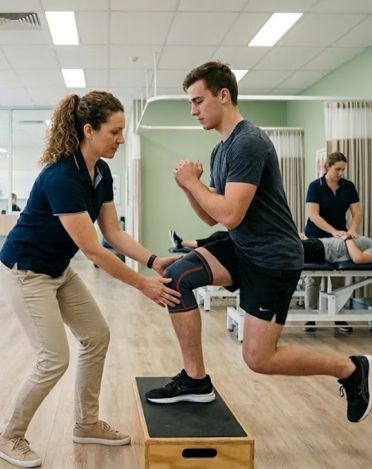
Sports injury physiotherapy: Treatment for pulled muscles, sprained joints, training injuries, and recurring pain.
Posture correction: We identify poor movement and sitting habits and retrain your body to reduce strain.
Fascia treatment: Hands-on work helps release tight fascia that can restrict muscle and joint movement.
Breathing assessment: We assess breathing patterns that may affect posture, energy, and exercise performance.
Needle and Cupping Treatments
Dry needling: Targets tight muscles and trigger points to reduce pain and improve movement.
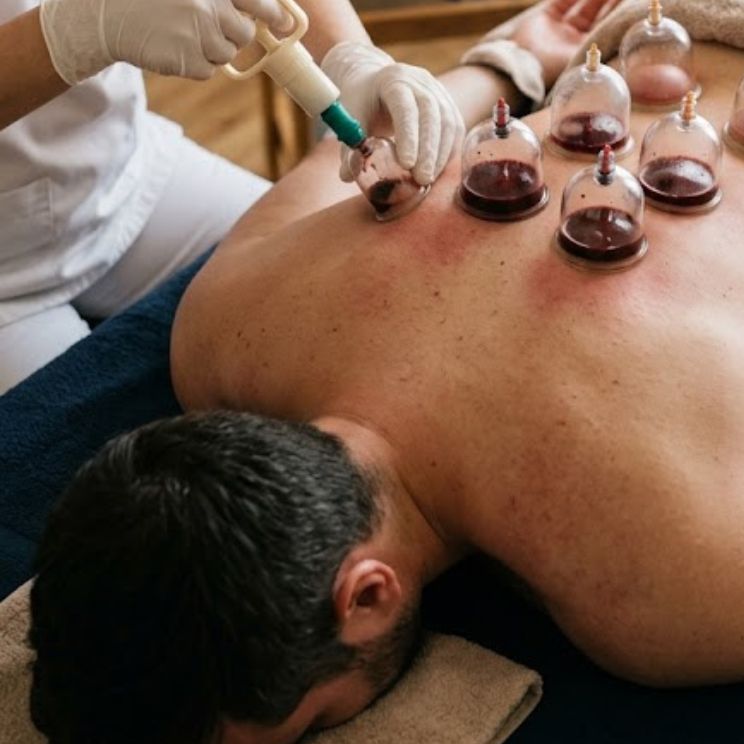
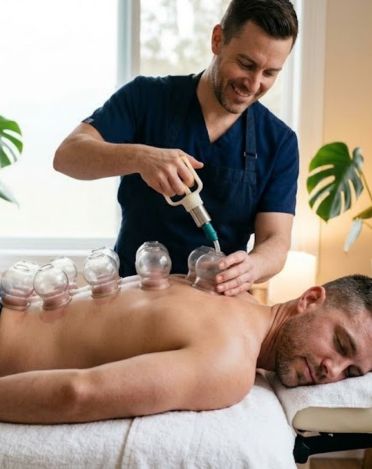
Hijama cupping: Wet cupping used for pain relief and general wellness.
Blood cupping: Supports circulation around tight, sore areas.
Dry cupping: Uses suction to relax muscles and support circulation.
Recovery and Wellness
Lymphatic drainage: Gentle strokes help move fluid from swollen tissue and support recovery after surgery.
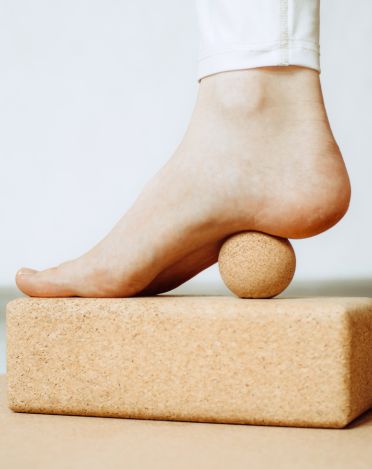
Reflexology: Pressure on specific points of the feet and hands may help relax the nervous system and support circulation.
Conditions We Treat
Back and Neck Pain: We find the source of tension, ease pain, and strengthen supporting muscles.
Sports Injuries: Rehab helps restore movement, strength, and performance after muscle or joint injuries.
Post-Surgery Rehab: Physiotherapy rebuilds strength and mobility after knee, hip, or shoulder surgery.
Joint Stiffness and Arthritis: Treatment improves movement, reduces stiffness, and strengthens surrounding muscles.
Sciatica and Nerve Pain: We address pressure around irritated nerves and restore comfortable movement.
Posture and Desk Strain: Exercises correct poor movement patterns and reduce recurring neck, shoulder, and back strain.
Experience Advanced Physiotherapy
A session is only as good as the assessment behind it. Our therapists spend the time working out what is actually causing the pain before anyone lays a hand on you.
- Our experienced therapists trained in rehab, sports physio, and manual therapy
- A full assessment on your first visit, so the plan goes after the cause and not the symptom
- Treatment shaped around your body, your job, and what you are trying to get back to
- Our orthopedic team and chiropractic specialists under the same roof when your case needs more than physio
- Progress checked every session, with the plan adjusted as you go
- Straight advice when rest is enough, or when something else suits you better
You are welcome to meet the therapists in our physio team before your first visit.
When to See a Physiotherapist?
See a physiotherapist for recurring pain, stiffness, weakness, sports injuries, joint problems, post-surgery recovery, or pain, pins and needles, or numbness in an arm or leg. Physio can also help prevent problems linked to sports or long desk hours.
How Physiotherapy Works
1. Assessment
Your therapist reviews your history, movement, strength, posture, and symptoms to find the cause.
2. Treatment Plan
You get a clear explanation, goals, and an expected treatment timeline.
3. Treatment
Sessions may include manual therapy, exercises, dry needling, or cupping.
4. Home Guidance
You receive simple exercises and advice to support recovery between visits.
5. Review
Progress is checked regularly, and treatment changes when needed.
Recovery and Results
Recovery time depends on the injury, your symptoms, and how long the problem has been present. Mild pain and strains often start improving within a few sessions, with fuller recovery in three to six weeks. Moderate injuries and post-surgery rehab may need six to twelve weeks. Chronic or long-standing pain usually improves gradually over eight to twelve weeks with consistent treatment. Our therapist reviews your progress throughout the plan. If your movement, strength, or pain is not improving as expected, the treatment approach can be adjusted.
Is Physiotherapy Safe?
Physiotherapy is generally safe when provided after a proper assessment. Mild tenderness can occur after treatment and usually settles within a day or two. Your therapist will explain each treatment before starting. If you need medical assessment first, you will be advised before treatment begins.
How Much Does Physiotherapy Cost?
Physiotherapy costs vary based on the treatment required, number of sessions, and case complexity. Treatments such as dry needling or cupping may also affect the total cost. Pricing is confirmed after assessment, with the full breakdown explained before treatment. Insurance coverage is also checked so you know what is covered and what you may need to pay.
Physiotherapy in Dubai
Physiotherapy Built Around Your Recovery

Trusta
Posture Correction for Back and Neck Pain

Medical
Dry Needling for Muscle Pain and Tension

Center
Blood Cupping Therapy for Everyday Aches
our expert answers
FAQs
1. How many physiotherapy sessions will I need?
Most mild cases need 3–6 sessions, while complex injuries may need more.
Does physiotherapy hurt?
It should not cause severe pain, but mild soreness can occur after treatment.
Do I need a referral to book physiotherapy?
No, you can book directly with our physiotherapists.
Is physiotherapy covered by insurance in Dubai?
Many insurance plans cover physiotherapy when it is medically necessary.
How long is each physiotherapy session?
Most sessions take 30–60 minutes.
Does physiotherapy help after surgery?
Yes, it helps restore strength, mobility, and function after surgery.
Is physiotherapy the same as chiropractic care?
No, physiotherapy focuses mainly on movement, strength, and rehabilitation.
Trusta Medical Center