- 000 - 123 - 456789
- info@trustaclinic.ae
- VILA 17, Street 73B, AL SATWA, Dubai, UAE


CONTACT US
- (000) 123-456-789
- VILA 17, Street 73B, AL SATWA, Dubai, UAE.
- info@trustaclinic.ae
Blood Cupping Therapy in Dubai
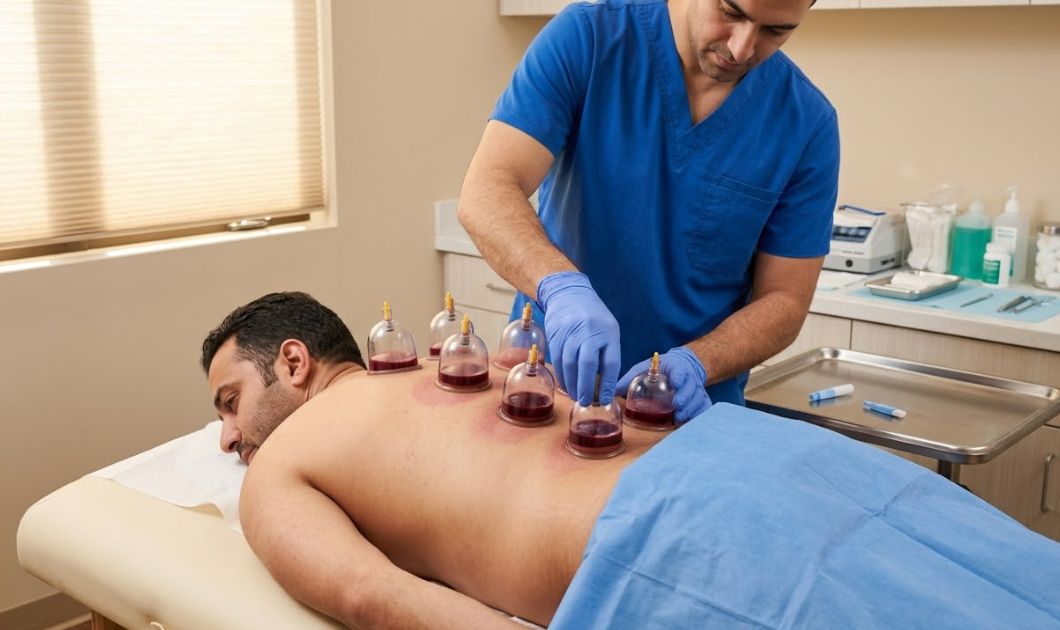
There is a particular kind of exhaustion that does not go away with sleep. A tightness in the shoulders that stretches and comes right back. A dull ache in the lower back that has just become part of life. If that sounds familiar, you are probably not looking for another painkiller. You are looking for something that actually addresses what is going on underneath.
That is what blood cupping therapy does. And it is what we do, every day, in Trusta Clinic in Dubai.
What Is Blood Cupping Therapy?
Blood cupping therapy, or hijama cupping therapy as it is traditionally known, is not a trend. It has been practised for thousands of years across China, the Arab world, and much of West Asia, and the reason it is still around is simple. It works.
The therapy uses cups placed on the skin to create suction.
That suction draws blood toward the surface of the body and tells the system to start paying attention to that area. In blood cupping specifically, the practitioner makes very small, superficial incisions at targeted points on the skin. A second round of suction then draws out the old, stagnant blood sitting in the tissue beneath.
That blood matters. Congested, stagnant blood is not neutral. It carries inflammatory compounds and metabolic waste that build up over time, particularly in areas of the body under ongoing physical or emotional stress. When it is removed, fresh blood moves in. Circulation improves. The tissue starts to recover. That is not a wellness metaphor. That is what physically happens.
How a Session with Trusta Clinic Actually Goes
You come in. We sit with you and have a proper conversation, not a form-filling exercise. We want to understand what your body has been doing, what you have already tried, and what you are hoping for. Then we figure out, together, what makes the most sense.
During the session itself, cups are placed on the skin and suction is created. For blood cupping, small precise incisions follow at the relevant points, and the second round of suction draws out the targeted blood. The process is slower and quieter than most people expect. There is no rush. A lot of patients fall asleep, or at least get very close to it.
Depending on how many areas we are working on, a session runs between 20 and 45 minutes. When it is done, the skin is cleaned and dressed carefully. You will have some circular marks where the cups were. We will explain those properly before we start so they are not a surprise. And most patients leave feeling something they struggle to put into words, somewhere between lighter and more settled.
The Types of Cupping We Use and Why It Matters
We do not run everyone through the same protocol. A person with chronic lower back tension needs something different from someone managing migraines or coming in just to decompress. Here is how we think about the options.
Wet Cupping (Hijama)
This is the full traditional form of blood cupping therapy. It involves suction combined with those small, controlled incisions we mentioned, and it draws out stagnant blood directly from the tissue. It is the deepest version of what we do and the one most people are asking about when they mention hijama cupping therapy. If your concern involves long-term pain, congestion, immune function, or genuine detoxification of the body, this is usually the method that delivers the most. It sounds more involved than it feels. Most patients handle it much better than they anticipate and are surprised by how calm the experience actually is.
Dry Cupping
Suction only, nothing more. The cups go on, pressure is applied, blood is drawn to the surface, and the tissue beneath starts to release. No incisions, no extraction. It is a more accessible entry point for people who are new to cupping therapy or whose condition does not require the full wet cupping process. It works well for broad muscle stiffness, circulation that has slowed, and a body that needs to be reminded how to relax. Some patients use dry cupping as a maintenance treatment between hijama sessions.
Moving Cupping
This one surprises people the most. Instead of cups sitting fixed on the skin, they are glided slowly across oiled skin in long, deliberate movements. It covers far more surface area than stationary cupping and creates an effect that feels genuinely close to a deep tissue massage, but with the added dimension of suction pulling the tissue upward as the cup moves. It is particularly good for tension that is spread across a wide area, the kind that runs from the base of the neck all the way down through the mid back, or across both shoulders at once. It also moves lymphatic fluid, which matters more than most people realise.
Fire Cupping
A small flame is introduced inside the cup for a moment before it is placed on the skin. The heat displaces the air and creates the suction as it cools. What stays behind is warmth, and that warmth reaches into deeper layers of muscle tissue than standard suction alone. Patients who have carried the same tension for years, the kind that has stopped responding to massage or stretching, often find fire cupping gets somewhere those other approaches did not. It is not uncomfortable. The flame never touches the skin. The sensation is one of warmth and pressure, nothing sharper than that.
Silicone Cupping
Softer cups, more adaptable pressure, gentler overall experience. Silicone cups can be squeezed to adjust how much suction they create, which makes them useful for areas of the body that would not tolerate harder pressure, and for patients who want to start slowly. They can also be moved across the skin in the same way as moving cupping, so we have flexibility in how we incorporate them. For anyone who is nervous about trying cup therapy for the first time, silicone cupping is often a good place to begin.
We will talk through all of this with you before anything happens. And if we think one method suits you better than another, we will say so directly and explain why.
What People Actually Come to Us For
The cupping therapy benefits our patients experience tend to fall into a few clear categories, though the way they show up is different for everyone.
Pain that finally shifts: This is the most common reason people find us. Back pain, neck pain, joint discomfort, tension headaches. The suction brings circulation into areas where it has stalled, the tissue gets what it needs, and pain levels come down. Not always instantly, but consistently, across sessions of cupping treatment.
Energy that comes back: Poor circulation means poor oxygen delivery, and poor oxygen delivery means tiredness that sleep does not fix. Blood cupping therapy gets blood moving properly and patients notice the difference in how they feel day to day, not just in the treated area but generally.
A body that is less inflamed: Removing stagnant blood through hijama cupping therapy removes the inflammatory compounds it carries. That matters for people dealing with chronic inflammation, whether in joints, muscles, or the digestive system.
A mind that quiets down: Cupping activates the parasympathetic nervous system. The part responsible for rest. Anxiety that has settled into the body as physical tension tends to ease during and after the session in a way that feels distinct from simply having a massage or lying down.
Immune function that improves: Lymphatic flow picks up. Internal conditions become less hospitable to the kind of low-grade dysfunction that leads to recurring illness and slow recovery. Patients who come regularly often comment that they are getting sick less than they used to.
Breathing that feels less effortful: Cupping along the chest and upper back has been used for respiratory conditions for a very long time, and there are good reasons for that. Releasing tension in those muscles and improving circulation in the area makes breathing easier for a lot of people, including those managing asthma or recurring chest tightness.
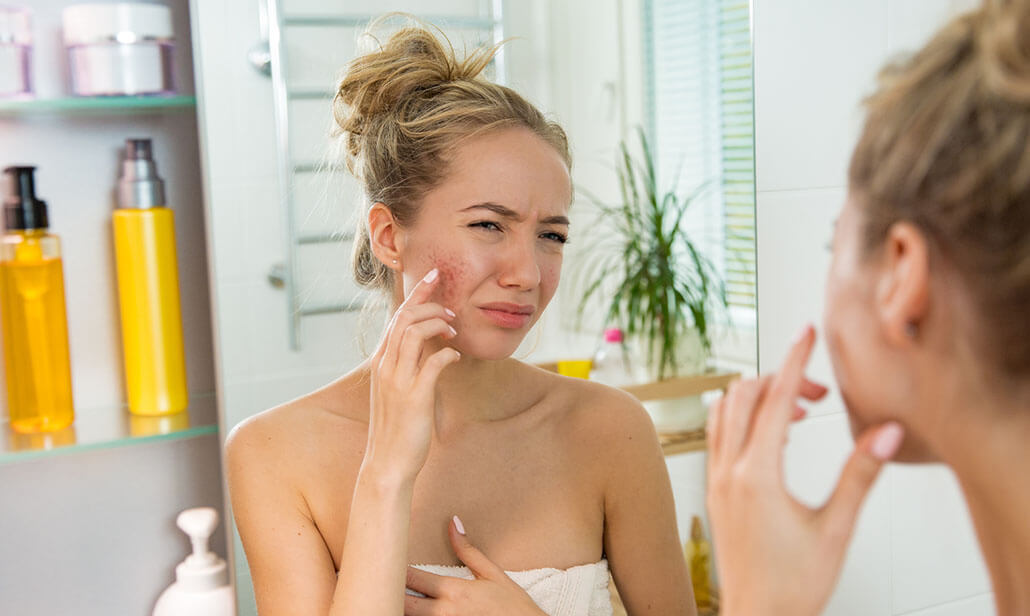
Before
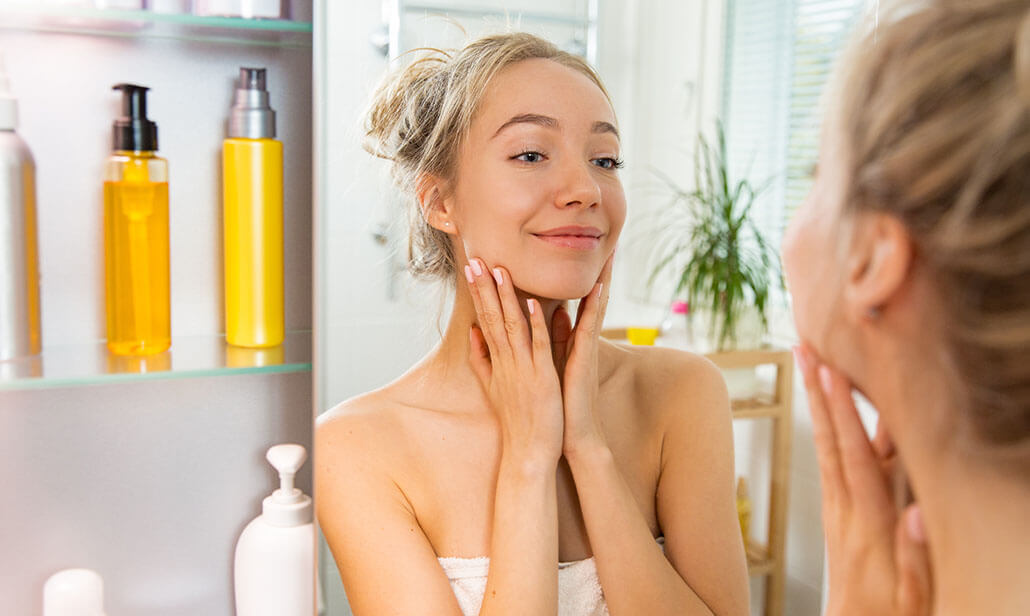
After
Who Is This For?
Blood cupping therapy in Dubai by Trusta Clinic is a good fit for people who are dealing with things that have not fully resolved through other means. If you recognise yourself in any of the following, it is worth talking to us.
- Fatigue that does not respond to rest
- Headaches or migraines that show up regularly
- Pain in the muscles or joints that keeps returning
- Digestive discomfort or bloating that has become a pattern
- A genuine interest in detoxifying the body without relying on medication
- Stress that has become physical, sitting in the shoulders, the jaw, the chest
- Respiratory issues including asthma, frequent congestion, or chest tightness
- Circulation that feels slow, cold extremities, or a persistent heaviness in the body
What You Should Know About Cupping Therapy Risks
We would rather you have full information than a curated version of it. Blood cupping therapy is safe for most healthy adults when the person performing it actually knows what they are doing. But there are situations where we would recommend against it.
If you are pregnant, have a bleeding disorder, take blood-thinning medication, have an active skin infection in the area we would be working on, or have recently had major surgery, this is not the right time for cupping treatment. Patients with severe anaemia or significant liver and kidney problems should check with their own doctor before booking.
About cupping therapy marks. They will appear. That is part of how the therapy works, not a side effect of something going wrong. The circular discolourations show where the therapy has drawn congestion to the surface, and darker marks tend to indicate more stagnation in that spot. They are not painful to touch. They are not bruises from trauma. They fade on their own, usually lightening noticeably within three to four days and clearing fully within a week. We explain all of this before your first session so you know exactly what to expect.
After Your Session
Most people go straight back to their day. There is no real downtime involved. A few things will make the recovery smoother though.
- Drink water through the rest of the day, more than usual
- Keep treated areas away from cold water and cold air for at least 24 hours
- Do not push yourself physically on the day of treatment
- Leave the skin clean and undisturbed while the marks are still visible
The marks take care of themselves. No creams, no special treatment required.
Why Trusta Clinic
There are places to get cupping therapy in Dubai. We are not going to pretend otherwise. What we can tell you is what we focus on here.
We focus on doing this properly. Certified practitioners who understand blood cupping therapy from the ground up, not just the technique but the reasoning behind it. Sterile, single-use equipment without exception. A genuine assessment before every course of cupping treatment, not a template applied to everyone. Honest conversations about what hijama cupping therapy in Dubai can and cannot do for your specific situation. And an environment that is calm enough that your body can actually respond to the work.
We want to be known as the best cupping therapy clinic in Dubai because of what actually happens during and after a session here, not because of how we describe ourselves.
Come and Talk to Us
If something in this has resonated, reach out. Book a consultation with Trusta Clinic in Dubai and let us have a proper conversation about your body, your history, and what blood cupping therapy might realistically do for you. No pressure, no script. Just an honest conversation and a treatment plan that is built around you.
