- 000 - 123 - 456789
- info@trustaclinic.ae
- VILA 17, Street 73B, AL SATWA, Dubai, UAE


CONTACT US
- (000) 123-456-789
- VILA 17, Street 73B, AL SATWA, Dubai, UAE.
- info@trustaclinic.ae
Fascia Treatment in Dubai
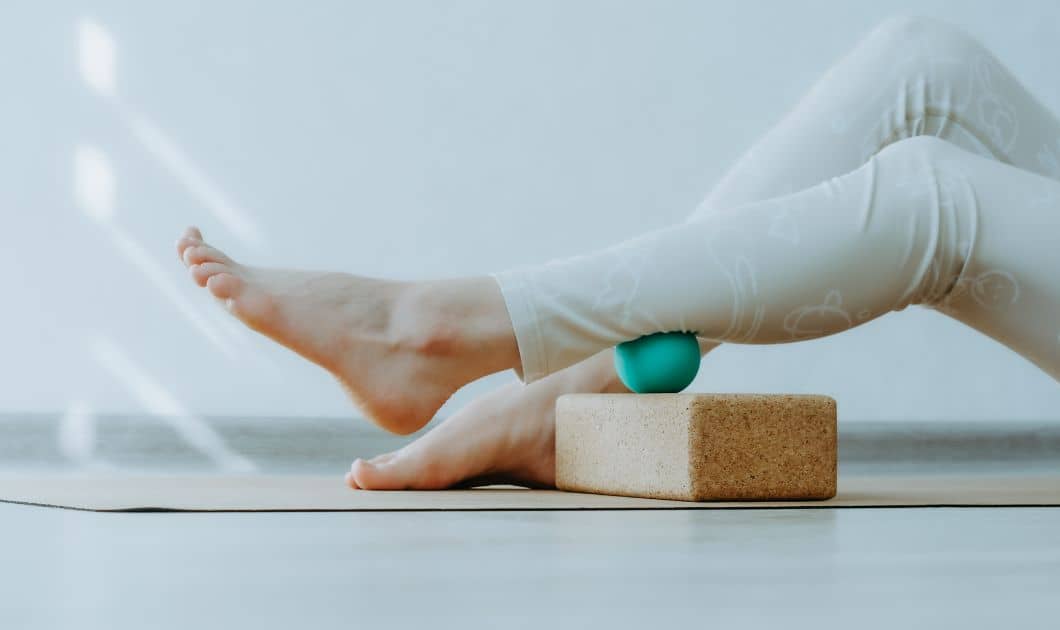
A lot of people come to Trusta Clinic after trying everything. Massage, rest, painkillers, even other physio — and nothing really sticks. The pain comes back. The stiffness is still there in the morning. They pass all their scans and get told there is nothing wrong, but they can feel that something clearly is.
Most of the time, what nobody has looked at is the fascia.
Fascia is connective tissue. It wraps around every single muscle in your body, and when it gets tight or stuck, it pulls — sometimes on the very area that hurts, sometimes somewhere completely different. It is one of the most common causes of persistent pain and one of the least treated.
Trusta Clinic's fascia treatment in Dubai is hands-on, specific, and based on a proper assessment of where your body is actually holding tension. Not guesswork. Not a standard protocol applied to everyone. A real look at what is going on and a plan built around that.
What Is Fascia — and Why Has Nobody Mentioned It?
Fascia does not show up on X-rays or MRI scans. That is the main reason so many people with fascial pain get told their results are ‘normal’ and sent home with anti-inflammatories.
It is a web of thin connective tissue that covers every muscle, bone, nerve, and joint in the body. When it is healthy, it glides and moves freely. But sit at a desk for a few years, have an old injury that never fully healed, carry stress in your shoulders, or go through surgery — and it starts to tighten, stick together, and form restrictions.
Because fascia runs through the whole body in continuous lines, one tight spot can create pulling and pain somewhere completely unrelated. Tight fascia in your lower back affects your hip. That hip restriction changes how you walk. Your knee starts to ache. Nobody connects the dots.
That is where fascia treatment comes in.
How Fascia Treatment Actually Works
The main technique is called myofascial release. It is nothing like the hard, fast pressure of deep tissue massage. In fact, most patients are surprised by how slow and gentle it is.
The therapist finds a restricted area and applies steady, sustained pressure — then holds it. Nothing happens for a few seconds. Then, slowly, the tissue starts to soften and let go. That release usually takes 90 seconds to two minutes. You cannot speed it up. Fascia responds to time and sustained contact, not force.
When the restriction lets go, blood flows back in, the nerve sensitivity in that area drops, and the muscle stops being held in a shortened position. People often say they feel a spreading warmth as it releases. And then they notice they can move in a way they could not before.
It is a different experience from most physical therapy — quieter, slower, but the results tend to go deeper.
Treatment Techniques
Different situations call for different tools. Trusta Clinic’s therapists use whichever combination best fits what they find:
- Myofascial Release — the core technique. Slow, held pressure applied by hand to release restrictions in the fascial tissue
- Instrument-Assisted Soft Tissue Mobilisation (IASTM) — a smooth metal or plastic tool is used to break down deeper adhesions, especially in areas of old injury or scar tissue
- Fascial Stretching — stretching that follows the fascial lines of the body, not just the muscles. Reaches places that normal stretching misses
- Trigger Point Work — direct pressure on specific knotted points in the fascia that are sending pain elsewhere in the body
- Cupping Therapy — suction cups lift the fascial layer from beneath, creating a release that hands-on pressure cannot replicate
Sessions usually mix two or three of these depending on how you respond. Your therapist will tell you what they are doing as they go.
What Fascia Treatment Helps With
Because fascia is everywhere in the body, fascial dysfunction shows up in a lot of different ways. The conditions Trusta Clinic treats most often with fascia treatment include:
- Chronic back and neck pain that keeps returning
- Shoulder restriction and pain — often falsely blamed on the joint
- Plantar fasciitis — thickening of the fascia on the sole of the foot
- IT band syndrome — outer knee and thigh pain in runners and cyclists
- Hip tightness and sciatica-type pain
- Tightness and movement loss following surgery
- Sports injuries where the surrounding tissue never fully released
- Headaches and jaw tension rooted in neck and skull restrictions
- Postural problems like rounded shoulders or uneven hips with a fascial driver
If your issue has been going on for a while and nothing has fully explained it, a fascial assessment is worth having. Therapists regularly find restrictions in areas patients never thought to mention because they did not realise they were connected.

Before

After
Your First Session
It starts with a conversation — your pain, your history, what you have already tried, and what you want to be able to do again. Then a physical assessment looks at how you move and where the fascial lines are under tension.
Treatment is done on a table, with light comfortable clothing on. The therapist works with slow, gentle pressure. Many people drift close to sleep during a session — it is that kind of treatment. Others feel clear moments of release as restrictions let go.
After the session you might feel a little sore in the treated areas for a day or two. That is normal. Most patients also notice they move more easily straight away — even before they get off the table. Your therapist will suggest a few simple movements or stretches to keep things progressing between sessions.
Sessions run around 45 to 60 minutes.
Why Trusta Clinic
Finding fascial restrictions is not something everyone can do. It takes training, patience, and experience with a wide range of cases. Trusta Clinic’s physiotherapists have worked with everything from simple postural tension to complex chronic pain that has stumped multiple previous practitioners.
The approach here is always assessment first. What is found shapes the treatment — not the other way round. And fascia treatment does not sit in isolation. It connects with dry needling, cupping, exercise rehabilitation, and manual therapy, all of which are available under the same roof. Sometimes one approach is enough. More often, combining two or three gets the result that nothing alone could deliver.
Questions People Usually Ask
What actually is fascia and why does treating it help?
Fascia is the thin connective tissue that wraps around every muscle and structure in your body. When it gets tight or restricted — from injury, poor posture, stress, or surgery — it pulls on everything around it and causes pain, often in places that seem unrelated to the source. Releasing those restrictions takes the tension off muscles and joints and allows normal movement to return. It is often the missing piece for people whose pain has not responded to anything else.
Does it hurt?
Less than most people expect. The technique is slow and the pressure is sustained rather than deep and fast. Some areas feel tender when the therapist first contacts them, and there can be a deep ache as the tissue releases. Mild soreness for a day or two after is common — similar to what you get after any physical therapy session. Most patients say they feel looser and lighter immediately after treatment.
How is this different from a regular massage?
Massage mainly works on the muscles — it uses movement and friction to relieve surface tension. Fascia treatment goes into the connective tissue underneath, using slow sustained pressure to break down adhesions and restrictions that massage simply does not reach. It is more specific, more structural, and the changes tend to last longer.
How many sessions will I need?
Some people notice a real shift after one or two sessions. Longer-standing or more widespread problems usually need four to six sessions to see lasting improvement. Your therapist will give you an honest estimate after the first appointment and adjust the plan as you progress.
Can this be combined with other treatments at Trusta Clinic?
Yes — and for most people it works better when it is. Dry needling gets into the deep muscular trigger points, cupping lifts the fascial layers, and fascia treatment releases the connective tissue restrictions holding everything in place. Combining two or three approaches often produces results that no single treatment could achieve on its own. Trusta Clinic will build a plan that fits your situation.
Book a Fascia Treatment Session
Pain that keeps coming back, stiffness that never fully clears, movement that has been restricted for years — these are exactly the kinds of problems fascia treatment is designed for.
Reach out to Trusta Clinic today to book your fascia treatment session in Dubai and find out what has actually been driving your pain.

Benefits of Choosing Trusta Clinic Dubai for Labiaplasty
- Corrects labial asymmetry and sagging
- Reduces discomfort in daily and intimate activities
- Enhances appearance and self-esteem
- Provides long-lasting, natural results
- Performed by expert specialists in a safe and private setting
Book Your Labiaplasty Appointment Today
Take the first step toward comfort, confidence, and a rejuvenated appearance. Schedule your consultation with Trusta Clinic Dubai and experience labiaplasty performed with precision, care, and discretion.