- 000 - 123 - 456789
- info@trustaclinic.ae
- VILA 17, Street 73B, AL SATWA, Dubai, UAE


CONTACT US
- (000) 123-456-789
- VILA 17, Street 73B, AL SATWA, Dubai, UAE.
- info@trustaclinic.ae
Ankle Surgery In Dubai
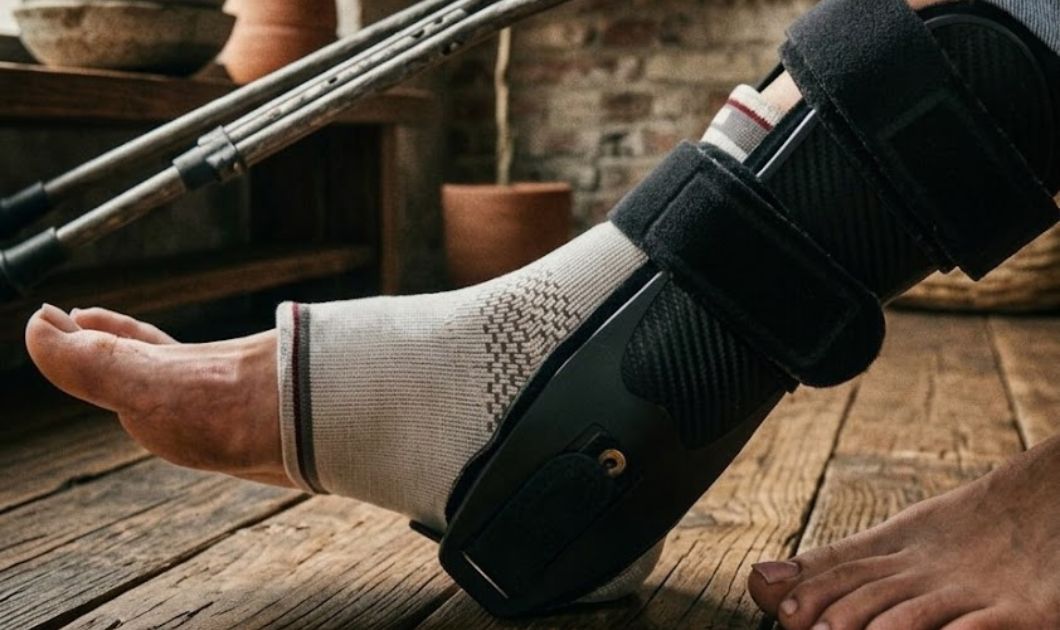
Ankle Surgery: When Enough Is Enough, It’s Time to Fix It
You’ve probably tried everything. Resting it. Wrapping it. Physio sessions, anti-inflammatory tablets, maybe a steroid injection or two. And yet here you are, still limping, still adjusting your whole day around a joint that refuses to cooperate.
That’s usually the point where ankle surgery becomes worth talking about seriously.
Trusta Clinic has been doing this long enough to know that nobody walks through our door excited about surgery. People come here worn down, fed up, and honestly just desperate to feel normal again. Our job isn’t to sell you an operation, it’s to figure out what’s actually going on and give you a straight answer about what will genuinely help.
Sometimes that’s surgery.
What Does Ankle Surgery Actually Mean?
It’s not one single thing. “Ankle surgery” covers a whole range of procedures, from a quick keyhole clean-up that takes under an hour, to a full joint replacement that requires months of recovery. What you need depends entirely on what’s wrong and how bad it’s gotten.
The ankle joint itself is more complicated than most people realise. Bones, cartilage, tendons, ligaments, all of them working together every time you take a step. Damage one part badly enough and the whole system starts struggling.
Surgery steps in when that damage has crossed a line where rest and rehab simply can’t get you back.
Sometimes it isn’t. But if it is, you’re in the right hands.
Signs That Surgery Might Be the Right Call
There’s no checklist that fits everyone perfectly, but certain situations come up again and again in our clinic:
You broke your ankle and the bones didn’t sit back in the right position. Left alone, they’ll heal wrong, and a badly healed ankle fracture can quietly create problems for years down the line.
Your arthritis has gone past the stage where medication takes the edge off. The cartilage is worn through. Some mornings you can barely get your shoe on. You’ve stopped walking for pleasure because it just isn’t worth the pain afterwards.
Your Achilles went. Maybe it happened during sport, maybe just stepping off a kerb. Either way, a fully ruptured Achilles tendon is not something that knits itself back together reliably, surgery gives it the best shot at full recovery.
You’ve twisted the same ankle so many times that the ligaments have permanently given up holding it together. It rolls on uneven ground, it gives way on stairs, and you’ve started avoiding certain surfaces altogether.
There’s something catching or locking inside the joint — a loose chip of bone or cartilage that your body can’t dissolve or push out on its own.
Your foot structure itself is the problem. A deformity that’s been there for years, slowly changing the way you walk and loading up the wrong parts of your leg with every step.
Types of Ankle Surgery We Offer
Keyhole Surgery
Two or three small cuts, a tiny camera, and the surgeon can see exactly what’s happening inside the joint. Loose fragments come out. Rough cartilage gets smoothed. Damaged tissue gets repaired. You go home with small plasters where most people expect a long scar.
Ankle Fusion
The two main ankle bones are fixed together permanently. It sounds extreme but the logic is solid, if the pain is coming from those bones grinding against each other, eliminating the movement between them eliminates the pain. Most people walk better after fusion than they did in the years leading up to it.
Ankle Replacement
The worn joint surfaces are swapped out for an implant, similar to what happens in hip and knee replacement surgery. Pain from bone-on-bone contact disappears, and unlike fusion, you keep some natural movement in the joint.
Fracture Repair Broken
bones get put back where they belong and held there with plates and screws while they heal. The hardware usually stays in permanently, though most people never notice it after recovery.
Ligament Repair
Chronically loose ligaments get tightened up and reattached properly. It’s the long-term fix for ankles that have been sprained so repeatedly that nothing short of surgery will make them feel stable again.
Achilles Repair
The torn ends of the tendon are carefully brought back together and sutured. Done well and followed by proper rehab, most patients get back to full activity, including sport, within six to twelve months.
The Day Itself: What Actually Happens
Most people worry most about this part, so here’s exactly what to expect.
You’ll come in having fasted as instructed, usually nothing to eat or drink for around six hours beforehand. Your surgeon will come and see you before anything happens, confirm the plan, and answer any last-minute questions.
Anaesthesia for ankle surgery is often a spinal block rather than full general anaesthetic. You stay awake but feel absolutely nothing from the waist down. Some people prefer this, others would rather be fully asleep. Either option is safe and both are used regularly.
The operation runs between one and three hours depending on what’s involved. Straightforward keyhole work sits at the shorter end. Replacements and complex reconstructions take longer.
Afterwards you’ll be monitored in recovery while everything wears off. Your ankle gets elevated straight away to keep swelling down. Plenty of patients go home the same day. Some stay overnight, particularly after bigger procedures where the team wants to see how you’re getting on before sending you off.
Recovery: The Honest Version
We’re not going to tell you it’s simple, because it isn’t always.
Keyhole surgery patients often get moving on crutches within days and are back to normal life within four to six weeks. That’s the easy end of the spectrum.
After fracture repair, full weight-bearing usually takes eight to twelve weeks. You’ll feel okay before that, but the bone needs time to fully consolidate.
Fusion and replacement patients are looking at three to six months before the ankle feels reliably strong. The first month is mostly rest, elevation, and wound care. Then physio starts in earnest, and that’s where the real work happens.
The patients who do best are honestly the ones who don’t skip their exercises and don’t push too hard too soon. It’s a balance that your physio will help you find, but it matters enormously.

Before

After
What Can Go Wrong
Every operation carries risk, it wouldn’t be right to pretend otherwise.
Infections can happen around the wound site. Blood clots are a risk with any lower limb surgery and are managed with blood-thinning medication and compression stockings. Some patients end up with lasting stiffness despite good rehab. Occasionally a second procedure is needed if healing doesn’t go the way everyone hoped.
Nerve or vessel injury is rare but possible. Your surgeon will walk you through the specific risks that apply to your procedure before you agree to anything, not buried in paperwork, but in an actual conversation.
Why People Come to Trusta Clinic
Honestly? Most of our patients come because someone they know had a good experience here and told them to come.
Our surgeons work specifically on foot and ankle conditions — it’s not a sideline. That level of focus makes a difference in both the technical outcome and in how well we can anticipate problems and avoid them.
We don’t have a target number of operations to hit. If conservative treatment still has a reasonable chance of working, we’ll say so and try it. Surgery gets recommended when it’s the right answer — not before.
Post-operative care here isn’t an afterthought.
Physio, follow-up appointments, access to the team when something doesn’t feel right, that’s all part of what we do, not an optional extra.
Questions We Get Asked a Lot
Will I walk properly again?
Almost certainly yes. The large majority of our patients return to comfortable, normal walking. The outcome depends on what was done and how well rehab goes, but it’s rarely a question of if, more a question of when.
How bad is the pain after surgery?
The first couple of days are uncomfortable. That’s expected and managed with proper pain relief. Most patients are surprised by how manageable it is. If the pain is severe or getting worse after the first week, call us.
When can I drive?
Six to twelve weeks is the typical range, though it depends on which ankle and what type of car you drive. Your surgeon will give you a specific answer based on your situation.
What about going back to sport?
Swimming and low-impact activity tend to come back first. Running and anything high-impact usually needs six months minimum. Your physio will track your progress and tell you when it’s genuinely safe, not just when it feels okay.
Do I have to have general anaesthesia?
No. Many procedures are done under a spinal block. Your anaesthetist will discuss both options with you and make a recommendation based on your health and the specific procedure.
Come and Talk to Us
Ankle pain has a quiet way of taking over. You stop walking as far. You decline the things you used to enjoy. You start planning your day around what the ankle can handle, and somewhere along the way that just becomes your normal.
It doesn’t have to stay that way.
Book a consultation with Trusta Clinic and let’s look at what’s actually happening with your ankle. No pressure, no rush, just a proper assessment and an honest conversation about your options.
Call us or use the appointment form below. The first step is just finding out where you stand.
