
Sports Injury Treatment - Trusted Care for Every Athlete
Trusta Medical Center provides expert sports injury treatment. We treat ligament tears, muscle strains, fractures, dislocations, and overuse injuries. Our orthopedic and physiotherapy teams support your recovery and your return to activity.
Our specialists have treated sports injuries across all levels of activity for over 25 years. Every case gets assessed carefully to find the right treatment for your injury.
Why Sports Injuries Need Professional Treatment
Most people push through it. Or they rest it, wait, and hope. Sometimes that works out fine. When it does not, the waiting is what costs you. A four-week problem turns into a four-month one, and the treatment gets bigger along the way.
Here is the trouble. A partially torn ligament does not care how tough you are. A stress fracture will not announce itself the way a clean break does, so plenty of runners train on one for weeks. And a hamstring that keeps going in the same spot is telling you the first recovery missed something.

Injuries We See Most Often
Knee Injuries
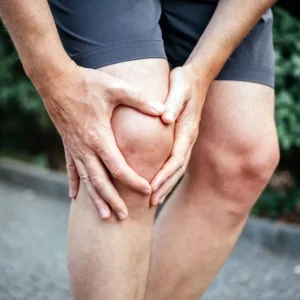
ACL tears, meniscus damage, ligament sprains, kneecap pain. Knees make up a big share of what walks through our door, and mild knee injuries do well with physiotherapy alone. Serious ligament damage needs a surgical opinion. Our specialist will tell you which of the two you have, usually at the first appointment.
Ankle Injuries
A rolled ankle can be a mild stretch or a complete ligament tear, and on the day they feel far more similar than you would expect. Ankles that keep giving way are a different problem again. Those, and the severe tears, sometimes need ankle surgery before the joint gets damaged for good.
Muscle and Tendon Injuries
Hamstrings, calves, groins, Achilles. These turn up constantly in football, running and gym training. What decides the treatment is the grade of the tear and how much tissue is involved, and you cannot work that out from how much it hurts.
Shoulder Injuries
Rotator cuff strains, dislocations, cartilage tears. Usually throwing, overhead work or contact. Where physiotherapy cannot restore the joint, arthroscopic surgery often can.
Fractures
Wrist, hand, ankle, lower leg. Falls and direct impacts. Some fractures heal quietly in a cast or a brace. Others need surgery to hold the bones in position while they knit, and imaging is what tells us which.
Concussion and Head Injuries
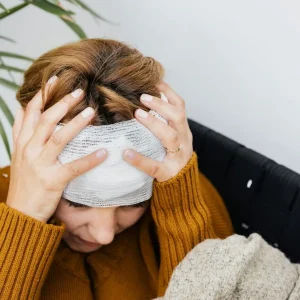
Any head impact followed by confusion, memory gaps, dizziness, vomiting or blacking out needs seeing the same day. Concussion is not something you sleep off, and a second knock before the brain has healed does far more damage than the first one did.

Who Should Get a Sports Injury Assessed?
Not just professional athletes. Weekend footballers, gym regulars, runners, swimmers, padel players, anyone who trains. Same assessment, same standard. Worth coming in if you have:
- Pain that continues or gets worse after activity
- Swelling or bruising that has not settled within a few days
- A joint that feels loose, catches, or gives way
- Stiffness or limited movement that rest is not improving
- The same injury returning to the same spot
- An old injury that never quite came right
None of these fix themselves. Ignoring them just gives the injury longer to settle in.
How We Diagnose and Treat Sports Injuries
Step 1: Talk First, Test Second
Our specialist starts by listening. How it happened. Where the pain sits. What makes it worse, and what you have already tried. That conversation shapes everything after it, and it catches things no scan ever will.
Step 2: Hands-On Examination
Range of motion, strength, swelling, stability, pain response. A thorough physical examination finds most injuries before imaging comes into it at all.
Step 3: Imaging When It Matters
Not every injury needs a scan, and we will not send you for one to look thorough. Imaging happens when the result would change your treatment:
- X-ray for suspected fractures
- MRI for ligament, cartilage and soft tissue injuries
- Ultrasound for muscle and tendon assessment
- CT for complex bone injuries
Step 4: A Plan That Matches the Injury
Non-surgical treatment comes first whenever it stands a real chance. Physiotherapy, targeted pain relief, PRP, shockwave therapy. Between them they handle a great deal. Surgery gets recommended when the examination and the scan agree it is needed, and not one appointment sooner.
Step 5: Milestone-Based Recovery
Recovery follows progress, not the calendar. Our team measures strength, movement and stability at every session, then adjusts the plan around what those numbers say. You go back when your body is ready. Not when your patience runs out.
How We Decide You Are Ready to Return
Pain-Free Isn’t the Same as Ready
Pain free is not the same as ready. A knee can feel perfectly fine walking to the car and still be thirty percent weaker than the other one. That is the gap that goes on the first proper change of direction.
We Test It Instead of Guessing
So we test it instead of guessing. Strength on the injured side gets measured against the healthy side. Hop and landing tests show whether you can control the joint under load. Then sport-specific drills, doing the actual movement your sport asks for.
One Team, One Plan
Pass those and you are cleared. Our sports injury physiotherapy team runs that testing alongside the specialist who diagnosed you in the first place. Same plan, same building, nothing lost in between.
Who Should Get a Sports Injury Assessed?
Not just professional athletes. Weekend footballers, gym regulars, runners, swimmers, padel players, anyone who trains. Same assessment, same standard.
Worth coming in if you have:
- Pain that continues or gets worse after activity
- Swelling or bruising that has not settled within a few days
- A joint that feels loose, catches, or gives way
- Stiffness or limited movement that rest is not improving
- The same injury returning to the same spot
- An old injury that never quite came right
None of these fix themselves. Ignoring them just gives the injury longer to settle in.
What Happens After Treatment
Non-Surgical Recovery
A non-surgical plan comes with physiotherapy sessions and targets to hit along the way. No fixed return date, because no two injuries heal at the same speed and pretending otherwise helps nobody. PRP and other injection treatments can leave the area sore for a day or two. Normal, and it passes.
Surgical Recovery
Surgical recovery runs longer and moves in stages. Physiotherapy rebuilds the strength gradually, and we check the repair is holding before anyone mentions sport.
Why We Don’t Rush You Back
Rushing back is the most common cause of re-injury we see, by a distance. Research on ACL recovery timing found athletes who return before 9 months face roughly seven times the injury rate of those who wait. Every plan here is built around readiness, and yes, we will hold you back if the testing says so.
How Long Recovery Takes
It depends on severity. Honest ranges beat promises. Mild injuries, light sprains and minor strains, run 1 to 3 weeks. Moderate injuries, partial tears and significant sprains, take 4 to 8 weeks.
Severe injuries, complete tears and major fractures, take 3 to 6 months. After surgery, 4 to 9 months, depending on the procedure and how consistently you do the rehab. That second part is doing more work than patients expect.
We measure progress through function anyway. Strength, stability and control coming back matters far more than how many weeks have gone by.
What Makes Trusta Different for Sports Injuries
Most clinics split the doctor from the physiotherapist. You get diagnosed in one place, rehabbed in another, and the two barely speak. Weeks vanish into that gap.
Here the specialist and the physiotherapy team work from one plan, from day one. The diagnosis feeds straight into the rehab. When something changes halfway through, the plan changes with it, because both sides are already in the same conversation about you.
The rest is honesty. If physiotherapy alone will fix it, that is what we recommend, and we say so even when surgery would be worth more to us. If you do need surgery, you hear exactly why, what it involves and what recovery actually looks like. No unnecessary procedures. No vague timelines.
Sports Injury Treatment Cost in Dubai
It depends on the injury, the imaging and the treatment your case actually needs. A consultation with physiotherapy sits at one end. MRI, injections or surgery at the other. Pricing and insurance cover get confirmed at your first consultation, so nothing turns up later as a surprise.
Book a Sports Injury Consultation
An injury you keep managing instead of fixing will keep holding you back. Every season you play through it, the repair gets bigger. If pain, swelling, instability or lost movement is stopping you doing what you enjoy, get it looked at properly. Call +971 54 333 9090 or book online, and our team in Downtown Dubai will take it from there.
our expert answers
Frequently Asked Questions
What are the most common sports injuries?
Knee ligament sprains, ankle sprains, hamstring and calf strains, shoulder injuries, fractures and concussion. Those six cover most of an average week here.
How long does knee injury recovery take?
Minor sprains, 1 to 3 weeks. Moderate injuries, 4 to 8 weeks. Severe tears and post-surgical recovery run 3 to 9 months, depending on the procedure.
When should a head injury be checked?
Any head injury with loss of consciousness, confusion, memory gaps, vomiting, or worsening headache should be assessed immediately, even if symptoms seem mild at first.
Do I need an MRI for a sports injury?
Not always. A physical exam often determines whether imaging is needed. MRI is typically used for suspected ligament, tendon, or soft tissue injuries.
 Posted on Google
 amitisful
Trustindex verifies that the original source of the review is Google.
Amazing experience! The staff were wonderful and I’m very happy with the results. I’ll definitely come backThis is truly a state-of-the-art beauty clinic. The facilities, technology, and range of services available here are exceptional, and you won’t easily find the same level of comprehensive care in other clinics. As a physician, I highly recommend visiting this clinic. It is truly in a class of its own when it comes to aesthetic medicine, offering a complete range of beauty and aesthetic services, from surgical to non-surgical treatments, all under one roof..❤️❤️❤️Posted on Google Helmi Emadما شاء الله موقع ممتاز عيادة نظيفة تحسهم من المستقبل أما الاستقبال مررررة أدب تستأنث وياهم الصراحة ما تحس نفسك في عيادة من شدة إهتمام الدكاترة وباقي التيم كله متوفر عندهم مواقف سيارات مجانية ومصعد لذوي الاحتياجات الخاصة أشكر أصدقائي على التوصية بي عيادة ترستا واتمنى لكم التوفيق والنجاحPosted on Google
 Sahar GeramiPosted on Google
 Donna AskariAmazing clinicPosted on Google
 Farnaz Saeedi⭐⭐⭐⭐⭐ I had a great experience at Trusta Clinic. The staff were very professional, friendly, and welcoming. The clinic is clean, modern, and well-organized, and I really appreciated the attention to detail and the quality of service. Highly recommended! I’ll definitely be coming back. ❤️Posted on Google
 Layth SalhabAbsolutely amazing experience at Trusta Medical Center! ⭐️⭐️⭐️⭐️⭐️ The clinic is beautiful, modern, and very clean. The team is professional, welcoming, and genuinely attentive from the moment you arrive. You can really feel the high standard of care and attention to detail. Highly recommended for anyone looking for quality medical and aesthetic services in Dubai. 👌🏻✨Posted on Google
 sahra rezvanpanah⭐⭐⭐⭐⭐ I had a wonderful experience at Trusta Clinic, from the initial consultation all the way through my cosmetic procedure. Everyone, from the staff to the doctors, was incredibly supportive, caring, and attentive throughout the entire process. I truly felt that I was surrounded by people who genuinely cared about me, almost as if I were among friends. I’m very happy with my experience and would definitely recommend Trusta Clinic to anyone considering a cosmetic procedure.Posted on Google
 Mohammed AbdalraheemA lovely experience at Trusta Medical Center. The staff are kind, welcoming, and very professional, and the clinic has a clean and comfortable atmosphere. I truly appreciated the attention to detail, the respectful way everything was explained, and the high standard of care. The doctors are carefully selected and clearly experienced in their fields. A very pleasant and trustworthy medical center that I would happily recommend to others.Posted on Google
 Isis Aamn💖💖🌹 I had a very pleasant experience at Trusta Medical Center. The clinic is clean, elegant, and well organized, and the staff were welcoming and professional from the moment I arrived. I was especially impressed with the aesthetic medicine services. The doctors are highly professional, attentive, and take time to explain everything clearly. The prices are also reasonable and transparent. A very comfortable and trustworthy medical center. Highly recommended!🌹💖Posted on Google
 Ayden⭐⭐⭐⭐⭐ I had a wonderful experience at Trusta Medical Center. From the moment I arrived, the reception team was welcoming, professional, and very well organized. The entire clinic has a clean, elegant, and comfortable atmosphere, which immediately gives you a sense of confidence and trust. I was particularly impressed by their Aesthetic Medicine Department. The team takes the time to understand each patient’s concerns and expectations, and everything is explained clearly before making any decision. Their approach feels professional and patient-centered rather than commercial. The clinic also seems very selective in choosing its doctors. The medical team is experienced, knowledgeable, and genuinely focused on achieving natural and appropriate results while maintaining high standards of safety. Another positive point was the transparency regarding prices and treatment options. Everything was explained clearly, with no unnecessary pressure to undergo additional procedures. Overall, Trusta Medical Center is an excellent polyclinic that combines professional medical care, hospitality, cleanliness, fair pricing, and highly qualified doctors under one roof. I would confidently recommend it to anyone looking for a reliable medical center in Dubai, especially for aesthetic medicine. A truly five-star experience. Highly recommended. ❤️Verified by TrustindexTrustindex verified badge is the Universal Symbol of Trust. Only the greatest companies can get the verified badge who has a review score above 4.5, based on customer reviews over the past 12 months. Read more