
Recharge Your Body with Advanced IV Vitamin
Trusta Medical Center is a DHA licensed medical and aesthetic clinic in Dubai offering a wide range of women’s health services and advanced diagnostic services. Sometimes, because of the change in the uterine scar, a previous cesarean delivery may result in problems with subsequent pregnancies. Assessment of cesarean scar can be used as a tool to assess the healing process of the scar, to detect abnormalities and to identify potential risks that can affect fertility or pregnancy outcomes. Advanced imaging and comprehensive assessments by our skilled gynecologists ensure the most accurate Cesarean Scar Assessment in Dubai. If you are looking for another pregnancy or have questions about your previous cesarean section, you can find caring treatment and accurate evaluations at Trusta Medical Center, helping you to maintain your reproductive health.

What is Cesarean Scar Assessment & Purpose of This Test?
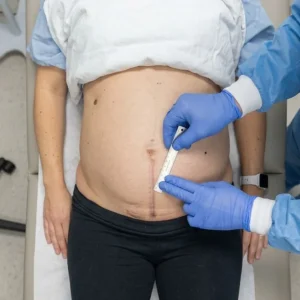
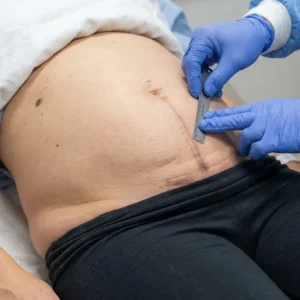
Cesarean scar assessment is a specific diagnostic evaluation which is used to assess the scar created after cesarean section. We perform a detailed examination of the uterine scar after it has healed to detect abnormal healing, defects in the scar, thinning of the scar and other complications that may impact on uterine health and future pregnancies. A common defect is a cesarean scar defect (isthmocele) which is a small pouch that develops in the uterine wall that can cause irregular menstruation, fertility problems or pregnancy complications. The early evaluation enables our doctors to suggest the best treatment and pregnancy planning for your needs.
Assessment Overview
| Duration | 45–60 minutes |
| Sessions for the assessment itself | 1 |
| Who it’s for | Postpartum women, 6 weeks after delivery onward |
| Referral required | No |
| Preparation required | Minimal |
| Typical treatment course, if needed | 4–6 sessions |

How to Prepare for Your Assessment
Preparing for your cesarean scar assessment is simple, and the evaluation itself is non-invasive.
- Wear comfortable, loose clothing that allows easy access to your abdomen.
- Note the date(s) of your c-section(s) and any complications during healing.
- Track when your symptoms occur — during exercise, sitting, or at rest.
- Be ready to describe your current activity level and anything that feels limited.
- No fasting or special preparation is needed; eat and drink normally beforehand.
Who Should Consider This Assessment
An assessment is not necessary if you are in a lot of pain. If you fall under any of these categories, you might want to consider booking:
- You’re newly postpartum and past your 6-week medical clearance, and want a thorough check beyond the standard visual exam.
- You have ongoing scar symptoms tightness, tugging, numbness, or hypersensitivity around the incision.
- You have a c-section shelf a pouch or ridge of tissue above the scar that hasn’t responded to diet or exercise.
- You suspect diastasis recti doming, gapping, or a soft midline that hasn’t closed since delivery.
- You have pelvic or bladder symptoms pelvic pain, bladder urgency, or pain with intercourse that developed after your c-section.
- You’re planning another pregnancy and want to restore core and scar function beforehand.
- You’re years past delivery. Scars from three, five, or ten years ago can still be treated effectively it’s never too late.
It is also good to book if you have had two or more cesarean sections; if your scar has hardened over time or become more limited in movement; or if you are returning to running, lifting, or other high impact exercise and want to ensure your core is up for it.
How the Assessment Is Performed
Our physiotherapists use a hands-on, structured approach to build a complete picture of your scar and surrounding tissue.
Scar mobility and sensation testing. Gentle, direction-specific movement of the scar and surrounding skin to check for adhesion, restriction, numbness, and hypersensitivity.
Abdominal wall and core assessment. Measurement of any midline gap (diastasis recti) and evaluation of deep core engagement, including the transverse abdominis, during functional movements.
Pelvic floor assessment. Where relevant, an assessment of pelvic floor strength and coordination, since a c-section doesn’t bypass pregnancy’s impact on this muscle group.
Postural and functional screening. Observation of how you sit, stand, lift, and move, since compensations here often trace back to scar and core restriction.
Benefits of a Cesarean Scar Assessment
A structured assessment offers value that goes well beyond simply “checking” the scar. Patients who complete an assessment at Trusta typically experience:
- Reduced scar tightness and discomfort, as manual therapy improves tissue glide and eases pulling, tugging, or burning sensations.
- Improved core strength, with a clear picture of any diastasis recti and a targeted plan to close and strengthen the gap.
- Better pelvic floor function, through identification and treatment of issues contributing to bladder urgency or pain.
- A softer c-section shelf, as releasing adhered tissue can ease the pulling that creates it.
- Restored sensation in numb or hypersensitive patches around the scar.
- Confidence returning to exercise, with clearance and guidance for safely resuming running, lifting, or high-impact activity.
- A clear, personalized plan, so you leave with specific findings and next steps instead of guesswork.
What You'll Take Away From the Assessment
Your session concludes with a clear summary of findings, including:
- Scar mobility and sensation findings where restriction, adhesion, or altered sensation is present.
- Core and diastasis recti measurements the width and depth of any midline gap and its impact on core function.
- Pelvic floor findings strength, coordination, and any related contributors to your symptoms.
- Recommended next steps whether that’s a course of manual therapy, a home exercise programme, or referral to another specialist at Trusta.
Why Choose Trusta Medical Center
- DHA-licensed clinic. Every treatment complies with Dubai Health Authority clinical standards.
- Women’s health focus. Our physiotherapy team works specifically with postpartum and post-surgical recovery.
- Comprehensive care under one roof, coordinated alongside our Women Health and Physiotherapy departments.
- A patient-focused approach, with private treatment rooms and unhurried appointments built around your comfort.
Book Your Cesarean Scar Assessment Today
Do not let pelvic discomfort or core weakness hold you back from enjoying motherhood. Reconnecting with your body is a vital step in your lifelong health journey.
Our clinic is centrally located in Downtown Dubai to serve you with expert care. Contact us via phone or WhatsApp to schedule your personalized consultation plan
our expert answers
Frequently Asked Questions
How much does a cesarean scar assessment cost?
Pricing depends on the length of the session and any additional services required. Contact Trusta Medical Center for current pricing.
How long does the assessment take?
The initial assessment typically takes 45–60 minutes.
Is the assessment painful?
No. Most of it involves gentle pressure and movement testing. Areas of hypersensitivity may feel tender, but your physiotherapist works within your comfort level.
Can this help years after my c-section?
Yes. Scar tissue remains treatable long after delivery, since manual therapy improves how existing tissue moves rather than requiring fresh healing.
What happens if a restriction or diastasis recti is found?
Your physiotherapist will discuss a treatment plan with you, which may include manual scar therapy, Microcurrent Point Stimulation (MPS), and progressive core exercise.
 Posted on Google
 amitisful
Trustindex verifies that the original source of the review is Google.
Amazing experience! The staff were wonderful and I’m very happy with the results. I’ll definitely come backThis is truly a state-of-the-art beauty clinic. The facilities, technology, and range of services available here are exceptional, and you won’t easily find the same level of comprehensive care in other clinics. As a physician, I highly recommend visiting this clinic. It is truly in a class of its own when it comes to aesthetic medicine, offering a complete range of beauty and aesthetic services, from surgical to non-surgical treatments, all under one roof..❤️❤️❤️Posted on Google Helmi Emadما شاء الله موقع ممتاز عيادة نظيفة تحسهم من المستقبل أما الاستقبال مررررة أدب تستأنث وياهم الصراحة ما تحس نفسك في عيادة من شدة إهتمام الدكاترة وباقي التيم كله متوفر عندهم مواقف سيارات مجانية ومصعد لذوي الاحتياجات الخاصة أشكر أصدقائي على التوصية بي عيادة ترستا واتمنى لكم التوفيق والنجاحPosted on Google
 Sahar GeramiPosted on Google
 Donna AskariAmazing clinicPosted on Google
 Farnaz Saeedi⭐⭐⭐⭐⭐ I had a great experience at Trusta Clinic. The staff were very professional, friendly, and welcoming. The clinic is clean, modern, and well-organized, and I really appreciated the attention to detail and the quality of service. Highly recommended! I’ll definitely be coming back. ❤️Posted on Google
 Layth SalhabAbsolutely amazing experience at Trusta Medical Center! ⭐️⭐️⭐️⭐️⭐️ The clinic is beautiful, modern, and very clean. The team is professional, welcoming, and genuinely attentive from the moment you arrive. You can really feel the high standard of care and attention to detail. Highly recommended for anyone looking for quality medical and aesthetic services in Dubai. 👌🏻✨Posted on Google
 sahra rezvanpanah⭐⭐⭐⭐⭐ I had a wonderful experience at Trusta Clinic, from the initial consultation all the way through my cosmetic procedure. Everyone, from the staff to the doctors, was incredibly supportive, caring, and attentive throughout the entire process. I truly felt that I was surrounded by people who genuinely cared about me, almost as if I were among friends. I’m very happy with my experience and would definitely recommend Trusta Clinic to anyone considering a cosmetic procedure.Posted on Google
 Mohammed AbdalraheemA lovely experience at Trusta Medical Center. The staff are kind, welcoming, and very professional, and the clinic has a clean and comfortable atmosphere. I truly appreciated the attention to detail, the respectful way everything was explained, and the high standard of care. The doctors are carefully selected and clearly experienced in their fields. A very pleasant and trustworthy medical center that I would happily recommend to others.Posted on Google
 Isis Aamn💖💖🌹 I had a very pleasant experience at Trusta Medical Center. The clinic is clean, elegant, and well organized, and the staff were welcoming and professional from the moment I arrived. I was especially impressed with the aesthetic medicine services. The doctors are highly professional, attentive, and take time to explain everything clearly. The prices are also reasonable and transparent. A very comfortable and trustworthy medical center. Highly recommended!🌹💖Posted on Google
 Ayden⭐⭐⭐⭐⭐ I had a wonderful experience at Trusta Medical Center. From the moment I arrived, the reception team was welcoming, professional, and very well organized. The entire clinic has a clean, elegant, and comfortable atmosphere, which immediately gives you a sense of confidence and trust. I was particularly impressed by their Aesthetic Medicine Department. The team takes the time to understand each patient’s concerns and expectations, and everything is explained clearly before making any decision. Their approach feels professional and patient-centered rather than commercial. The clinic also seems very selective in choosing its doctors. The medical team is experienced, knowledgeable, and genuinely focused on achieving natural and appropriate results while maintaining high standards of safety. Another positive point was the transparency regarding prices and treatment options. Everything was explained clearly, with no unnecessary pressure to undergo additional procedures. Overall, Trusta Medical Center is an excellent polyclinic that combines professional medical care, hospitality, cleanliness, fair pricing, and highly qualified doctors under one roof. I would confidently recommend it to anyone looking for a reliable medical center in Dubai, especially for aesthetic medicine. A truly five-star experience. Highly recommended. ❤️Verified by TrustindexTrustindex verified badge is the Universal Symbol of Trust. Only the greatest companies can get the verified badge who has a review score above 4.5, based on customer reviews over the past 12 months. Read more