
Newborn initial care by pediatric specialist after birth
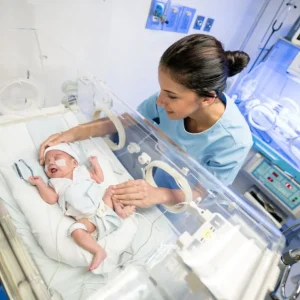
Newborn Initial Care is the first medical check-up a baby receives after birth. It includes a full physical exam, feeding assessment, and vaccination guidance, giving parents a clear picture of their baby’s health right from the start.
Trusta Clinic, a DHA-licensed facility in Downtown Dubai, delivers this care through board-certified specialists in a warm, family-focused setting. Every visit is designed around comfort, gentleness, and clear communication, so new parents never feel rushed or unheard.
During the check-up, our team examines the newborn’s weight, reflexes, skin, breathing, and overall development, while also reviewing feeding patterns and offering guidance for breastfeeding or formula feeding. Parents receive a personalized vaccination schedule along with practical tips for home care, sleep routines, and umbilical cord care.
Our goal is simple: help new parents feel confident, informed, and supported from day one, knowing their little one’s health is in caring, experienced hands.

What Is Included in Newborn Initial Care at Trusta Clinic?
Every newborn checkup at Trusta Clinic follows a structured, DHA-aligned protocol. Your baby’s first visit typically includes:
- Weight, length, and head circumference measurement
- Temperature check
- Heart rate and breathing rate assessment
- Umbilical cord site check
- Newborn reflex and muscle tone check
- General skin, eyes, and hip examination
- Feeding assessment and breastfeeding support
- Guidance on the UAE newborn vaccination schedule
- Personalised advice for ongoing postnatal care
These checks form the foundation of neonatal examination. They also help our team catch feeding, growth, or development concerns early.

What to Expect During Your Baby's First Visit
A first newborn checkup at Trusta Clinic follows a clear, predictable sequence:
- Check-in and history review – our team reviews your delivery notes and any hospital discharge summary.
- Vitals and measurements – weight, length, head circumference, and temperature are recorded.
- Physical examination – the paediatric/neonatal specialist checks heart and lung sounds, hips, reflexes, umbilical cord, and skin.
- Feeding assessment – breastfeeding or bottle-feeding is observed, with practical support offered.
- Vaccination discussion – the doctor walks you through the UAE newborn vaccination schedule and what’s due next.
- Q&A and care plan – parents receive a personalised postnatal care plan and are welcome to ask questions.
- Follow-up scheduling – the next well-baby visit is booked before you leave.
What Else Does a Newborn Need in the Hospital?
Before your baby even reaches their first clinic visit, several preventive steps typically happen at the hospital in the hours after delivery. Knowing what to expect helps you feel prepared, not anxious.
Immediate newborn checks
Right after birth, hospital staff dry your baby, clear their airway, and keep them warm. A quick assessment often called an Apgar check looks at colour, heart rate, reflexes, muscle tone, and breathing at one and five minutes old. This gives an early snapshot of how well your baby is adjusting.
Skin-to-skin contact
If your baby is healthy, you’ll usually get to hold them skin-to-skin soon after birth. This supports bonding, helps regulate your baby’s temperature, and can improve early milk supply.
Eye care
Babies typically receive antibiotic eye drops or ointment shortly after birth. This step protects against infections that can occur during delivery.
Vitamin K shot
Newborns are naturally low in vitamin K, which the body needs for healthy blood clotting. A vitamin K injection soon after birth helps prevent serious bleeding complications.
First vaccinations
Depending on the hospital’s protocol and your baby’s health, the first dose of certain newborn vaccines such as hepatitis B may be given before discharge, with the remaining doses following the wider UAE vaccination schedule.
Newborn screening tests
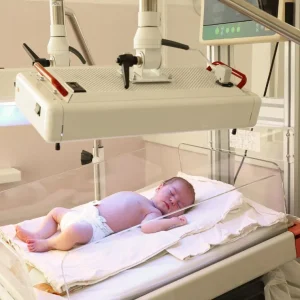
A small heel-prick blood sample is usually taken to screen for a range of treatable conditions that aren’t visible at birth, such as metabolic or thyroid disorders. Hospitals may also carry out a hearing check and a pulse oximetry test to screen for critical heart conditions, along with jaundice (bilirubin) monitoring.
In Trusta Clinic, we review all hospital records and screening results as part of your baby’s Newborn Initial Care appointment, so nothing falls through the cracks.
What Else Happens While Your Baby Is in the Hospital?
Beyond the initial checks, a few more routine milestones usually happen before you and your baby head home.
- Feeding. Hospital staff track how often and how well your baby feeds, whether breast or bottle. Lactation support is often available, and it’s worth using even if you’ve breastfed before.
- First bath. Many hospitals now wait around 24 hours before your baby’s first bath. This short delay helps stabilise body temperature, protects the skin, and can support breastfeeding success.
- Passing meconium. Your baby’s first stool, a dark, sticky substance called meconium, usually passes within one to two days of birth. Staff will check this happens as expected.
- Circumcision (if chosen). Some families choose circumcision within the first day or two after birth. This is entirely optional and is discussed with your care team in advance.
- Weight and hydration checks. Before discharge, staff confirm your baby is feeding well, producing enough wet nappies, and not losing excessive weight.
- Discharge timing. Most healthy newborns go home within two to three days of a vaginal birth, or a little longer after a caesarean. Your baby’s doctor will confirm timing based on how you’re both doing.
This hospital stage sets the foundation. Your baby’s Newborn Initial Care visit at Trusta Clinic then continues that care journey, picking up where the hospital left off.
Newborn Initial Care vs. Well-Baby Visits vs. Neonatal Screening
These three terms are often used interchangeably. In fact, they refer to different stages of care:
| Term | What It Means | When It Happens |
|---|---|---|
| Newborn Initial Care | The first comprehensive check-up after birth, covering physical exam, feeding, and vaccination guidance | Within the first days to weeks of life |
| Well-Baby Visit | Ongoing routine check-ups tracking growth and development | Recurring, typically monthly in the first year |
| Neonatal Screening | Specific tests (e.g. hearing, metabolic) usually done at the hospital shortly after delivery | Within the first 24–72 hours, often before discharge |
Knowing this difference helps you understand what to expect, and when, as part of your baby’s ongoing care.
From Delivery to Your Baby’s First Checkup
Trusta Clinic supports families through the full journey. That means everything from Delivery & Childbirth Services through to Newborn Initial Care, all under one roof in Downtown Dubai. Because of this continuity, your baby’s medical history, delivery details, and early feeding notes are already on file when you arrive for the first checkup. You won’t need to repeat your story, and nothing gets lost between hospital and clinic.
When to Seek Urgent Care for Your Newborn
Most newborns settle into feeding and sleeping routines within days. Still, some symptoms need prompt medical attention. Contact Trusta Clinic or seek emergency care immediately if your baby shows:
- Difficulty breathing or unusual breathing sounds
- Bluish tint to lips, face, or skin
- A fever (in babies under 3 months, any fever warrants urgent review)
- Persistent vomiting or refusal to feed
- Fewer wet nappies than expected
- Unusual lethargy or difficulty waking
- Yellowing of the skin or eyes that is worsening
- Any bleeding, swelling, or discharge from the umbilical cord site
If you’re ever unsure, call us. For medical emergencies, dial 999 or go to the nearest emergency department.
Why Choose Trusta Clinic for Newborn Initial Care
- DHA-licensed clinic – full regulatory compliance and recognised medical standards
- Board-certified specialists – experienced in neonatal and paediatric care
- Personalised care plans – specific to your baby’s feeding, growth, and health needs
- Modern Downtown Dubai facility – comfortable, accessible, and family-friendly
- Continuity of care – integrated with our Delivery & Childbirth Services
Newborn Initial Care Cost & Insurance in Dubai
Trusta Clinic offers Newborn Initial Care on a consultation basis. Our team can confirm exact pricing and any package options before your visit. The clinic is insurance-friendly, though coverage varies by policy, so we recommend checking with your provider ahead of time. Our reception team is happy to help verify your insurance details before your appointment.
our expert answers
Frequently Asked Questions
What is included in newborn initial care?
Newborn initial care includes a full physical examination — weight, length, head circumference, heart and breathing checks, umbilical cord review, and reflex testing. It also covers feeding assessment and guidance on the UAE vaccination schedule.
When should a newborn have their first checkup in Dubai?
Most newborns are seen for their first checkup within the first few days to two weeks after birth, depending on hospital discharge timing and any specific concerns noted at delivery.
What happens during a baby's first medical exam?
The doctor records vital measurements, checks the heart, lungs, hips, skin, and reflexes, assesses feeding, and discusses the vaccination schedule. Parents receive a personalised care plan and a follow-up appointment before leaving.
What else does a newborn need in the hospital?
In the hospital, newborns typically receive antibiotic eye drops, a vitamin K shot, initial vaccinations, and screening tests such as a heel-prick blood test, hearing check, and jaundice monitoring. These steps happen before your baby's first clinic-based checkup.
Is newborn care covered by insurance in Dubai?
Coverage depends on your individual insurance policy. Trusta Clinic is insurance-friendly, and our team can help confirm your specific coverage ahead of your appointment.
 Posted on Google
 amitisful
Trustindex verifies that the original source of the review is Google.
Amazing experience! The staff were wonderful and I’m very happy with the results. I’ll definitely come backThis is truly a state-of-the-art beauty clinic. The facilities, technology, and range of services available here are exceptional, and you won’t easily find the same level of comprehensive care in other clinics. As a physician, I highly recommend visiting this clinic. It is truly in a class of its own when it comes to aesthetic medicine, offering a complete range of beauty and aesthetic services, from surgical to non-surgical treatments, all under one roof..❤️❤️❤️Posted on Google Helmi Emadما شاء الله موقع ممتاز عيادة نظيفة تحسهم من المستقبل أما الاستقبال مررررة أدب تستأنث وياهم الصراحة ما تحس نفسك في عيادة من شدة إهتمام الدكاترة وباقي التيم كله متوفر عندهم مواقف سيارات مجانية ومصعد لذوي الاحتياجات الخاصة أشكر أصدقائي على التوصية بي عيادة ترستا واتمنى لكم التوفيق والنجاحPosted on Google
 Sahar GeramiPosted on Google
 Donna AskariAmazing clinicPosted on Google
 Farnaz Saeedi⭐⭐⭐⭐⭐ I had a great experience at Trusta Clinic. The staff were very professional, friendly, and welcoming. The clinic is clean, modern, and well-organized, and I really appreciated the attention to detail and the quality of service. Highly recommended! I’ll definitely be coming back. ❤️Posted on Google
 Layth SalhabAbsolutely amazing experience at Trusta Medical Center! ⭐️⭐️⭐️⭐️⭐️ The clinic is beautiful, modern, and very clean. The team is professional, welcoming, and genuinely attentive from the moment you arrive. You can really feel the high standard of care and attention to detail. Highly recommended for anyone looking for quality medical and aesthetic services in Dubai. 👌🏻✨Posted on Google
 sahra rezvanpanah⭐⭐⭐⭐⭐ I had a wonderful experience at Trusta Clinic, from the initial consultation all the way through my cosmetic procedure. Everyone, from the staff to the doctors, was incredibly supportive, caring, and attentive throughout the entire process. I truly felt that I was surrounded by people who genuinely cared about me, almost as if I were among friends. I’m very happy with my experience and would definitely recommend Trusta Clinic to anyone considering a cosmetic procedure.Posted on Google
 Mohammed AbdalraheemA lovely experience at Trusta Medical Center. The staff are kind, welcoming, and very professional, and the clinic has a clean and comfortable atmosphere. I truly appreciated the attention to detail, the respectful way everything was explained, and the high standard of care. The doctors are carefully selected and clearly experienced in their fields. A very pleasant and trustworthy medical center that I would happily recommend to others.Posted on Google
 Isis Aamn💖💖🌹 I had a very pleasant experience at Trusta Medical Center. The clinic is clean, elegant, and well organized, and the staff were welcoming and professional from the moment I arrived. I was especially impressed with the aesthetic medicine services. The doctors are highly professional, attentive, and take time to explain everything clearly. The prices are also reasonable and transparent. A very comfortable and trustworthy medical center. Highly recommended!🌹💖Posted on Google
 Ayden⭐⭐⭐⭐⭐ I had a wonderful experience at Trusta Medical Center. From the moment I arrived, the reception team was welcoming, professional, and very well organized. The entire clinic has a clean, elegant, and comfortable atmosphere, which immediately gives you a sense of confidence and trust. I was particularly impressed by their Aesthetic Medicine Department. The team takes the time to understand each patient’s concerns and expectations, and everything is explained clearly before making any decision. Their approach feels professional and patient-centered rather than commercial. The clinic also seems very selective in choosing its doctors. The medical team is experienced, knowledgeable, and genuinely focused on achieving natural and appropriate results while maintaining high standards of safety. Another positive point was the transparency regarding prices and treatment options. Everything was explained clearly, with no unnecessary pressure to undergo additional procedures. Overall, Trusta Medical Center is an excellent polyclinic that combines professional medical care, hospitality, cleanliness, fair pricing, and highly qualified doctors under one roof. I would confidently recommend it to anyone looking for a reliable medical center in Dubai, especially for aesthetic medicine. A truly five-star experience. Highly recommended. ❤️Verified by TrustindexTrustindex verified badge is the Universal Symbol of Trust. Only the greatest companies can get the verified badge who has a review score above 4.5, based on customer reviews over the past 12 months. Read more