
Wound Care After C-Section: What Every Mother Should Know
A C-section is major surgery. Your wound needs the right care to heal well. Trusta Medical Center helps new mothers understand every step of wound care. Our gynecologist will give you personalized aftercare instructions and explain the warning signs that should never be ignored.
What Your C-Section Wound Looks Like
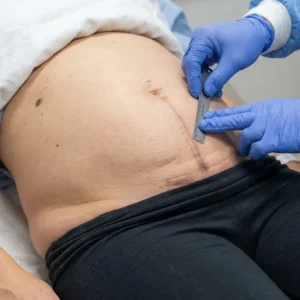
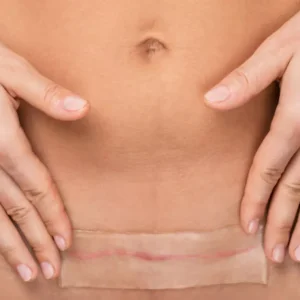
Your wound sits low on your tummy just above the bikini line. It usually measures 10 to 15 centimetres. Our surgeons close it with stitches or staples or surgical glue. They then cover it with a dressing. The dressing protects the wound in the first hours. It keeps bacteria out. Most dressings stay in place for 24 to 48 hours. Some stay longer depending on the type used.

Caring for the Dressing After Surgery
Nurses check your dressing daily while you’re still in the hospital. Once you’re home you’ll take over this care yourself. Follow these simple steps:
- Wash your hands before you touch the dressing.
- Change it only when our gynecologist tells you to.
- Keep it dry and avoid rubbing it.
- Watch for any leaking or soaking through.
Our gynecologist will tell you exactly when it’s safe to remove the dressing for good.

Why Choose Trusta Medical Center
Recovering well after a C-section depends on the right guidance. Trusta Medical Center brings years of experience to every mother’s healing journey. Our gynecologists and surgeons follow strict hygiene protocols. They use evidence-based wound care techniques. They stay closely involved through every stage of recovery, not just the surgery itself. Here’s what sets our care apart:
- Experienced surgeons and gynecologists who specialise in postpartum recovery
- Personalised wound care plans based on your surgery type and skin healing pattern
- Dedicated postpartum follow-up visits so nothing gets missed
- Clear, honest guidance on scar care, nutrition and safe movement
- A caring team that treats every concern, big or small, with real attention
Trusta Medical Center supports new mothers well beyond the delivery room. Healing feels guided, not confusing. You can book your follow-up appointment here whenever you’re ready.
How to Clean Your Wound at Home
Cleaning your wound is easier than it sounds. Use mild soap and plain water. Let the water run gently over the area in the shower. Don’t scrub the wound. Avoid shower gel, talc and perfumed products near it. Pat the area dry with a clean towel. Let it air out for a few minutes before you get dressed. Fresh air helps the skin heal faster.
Showering and Bathing Safely
Most women can shower within 48 hours after surgery. A quick warm shower is safe. Soaking in a bathtub should wait until your wound has fully closed. Keep the water pressure gentle. Avoid pointing the showerhead directly at the wound. Always dry the area completely afterward. Trapped moisture can slow healing and invite infection.
What to Wear During Recovery
Loose clothing makes a big difference in how comfortable you feel. Choose soft breathable fabrics that sit above or below the wound, not directly on it. High-waisted maternity underwear works well. It won’t rub against the healing skin. Tight jeans, belts and stiff waistbands should stay in the closet for now.
Managing Pain While You Heal
Mild soreness is normal for the first few weeks. It’s common when you move or cough or laugh. Simple pain relief like paracetamol usually helps. Our gynecologist can recommend the right dose for you. Support your tummy with a pillow when you sit up or cough or feed your baby. This small habit takes pressure off the wound. It makes daily movements much easier.
Signs of Infection You Should Never Ignore
Most C-section wounds heal without any problems. Infections do happen sometimes though. Call our gynecologist immediately when you notice:
- Redness, swelling or warmth around the wound
- Pus or a yellow-green discharge
- A bad smell coming from the wound
- Pain that gets worse instead of better
- A fever above 38°C
- Bleeding that soaks a pad within an hour
Early treatment stops small problems from turning serious. Don’t wait to reach out.
Foods That Help Your Wound Heal Faster
Good nutrition speeds up healing more than most new mothers expect. Protein rebuilds tissue. Add eggs, lentils, chicken or fish to your daily meals. Vitamin C supports collagen growth. You’ll find it in oranges, guava and bell peppers. Iron-rich foods like spinach and dates help replace blood lost during surgery. Drink plenty of water throughout the day. Dehydration slows down every stage of healing.
Movement and Light Exercise After Surgery
Gentle movement actually helps your recovery. Heavy exercise should wait though. Short slow walks around the house improve blood flow. They lower the risk of blood clots. Avoid activities that strain your tummy. This means no lifting, no deep bending and no climbing stairs quickly. Pelvic floor exercises are usually safe within the first week. Our non-surgical pelvic floor treatment can help too if you need extra support later on. Core workouts, running and gym sessions should wait until our gynecologist gives clearance, usually around six weeks.
Sleeping Position and Daily Habits
Sleep on your back or side with a pillow supporting your tummy. This keeps pressure off the wound. Getting out of bed works better when you roll onto your side first. Then push up with your arms instead of using your stomach muscles. Simple daily habits make a big difference too. Change your maternity pad often. Keep the wound area exposed to air when possible. Avoid long car rides in the first week unless it’s necessary.
Common Mistakes to Avoid During Recovery
Small habits can slow down healing without you realising it. Avoid these common mistakes:
- Covering the wound with tight, non-breathable fabric
- Applying home remedies or oils without asking our gynecologist
- Skipping follow-up appointments because the wound looks fine
- Lifting toddlers, grocery bags or heavy furniture too early
- Ignoring mild symptoms until they get worse
A little extra caution in these early weeks protects you from complications later on.
Emotional Wellbeing During Recovery
Physical healing matters. Emotional recovery counts just as much. Many new mothers feel tired or overwhelmed or low in the weeks after a C-section. This is completely normal. Rest whenever your baby sleeps. Accept help from family. Don’t pressure yourself to bounce back quickly. Our gynecologist can guide you toward extra support if these feelings last longer than a few weeks or start affecting your daily life.
Scar Healing and Long-Term Care
Your scar will look pink or a little raised at first. This is completely normal. Over the following months it usually fades to a thin pale line. Some women develop a raised red scar called a keloid. This is more common in darker skin tones. Our dermatologist can guide you toward creams or treatments if your scar bothers you later on.
When to See Our Gynecologist
Book a follow-up visit around four to six weeks after your surgery. Our gynecology team will check your wound and your overall recovery. Sooner visits are just as important when anything feels wrong. Trusta Medical Center offers dedicated postpartum care. Every mother gets the attention she needs during this delicate time.
our expert answers
Frequently Asked Questions
How long does a C-section wound take to heal?
The outer skin usually seals within two weeks, but deeper tissue keeps healing for several months.
Can I use Vaseline or ointment on my wound?
Only when our gynecologist recommends it. Most wounds heal best when left clean and dry, without extra products.
Is itching around the wound normal?
Yes, mild itching is a common part of healing, and it usually means new skin is forming.
When can I go back to normal activities?
Light movement is fine early on, but lifting anything heavier than your baby should wait for about six weeks.

 Posted on Google
 amitisful
Trustindex verifies that the original source of the review is Google.
Amazing experience! The staff were wonderful and I’m very happy with the results. I’ll definitely come backThis is truly a state-of-the-art beauty clinic. The facilities, technology, and range of services available here are exceptional, and you won’t easily find the same level of comprehensive care in other clinics. As a physician, I highly recommend visiting this clinic. It is truly in a class of its own when it comes to aesthetic medicine, offering a complete range of beauty and aesthetic services, from surgical to non-surgical treatments, all under one roof..❤️❤️❤️Posted on Google Helmi Emadما شاء الله موقع ممتاز عيادة نظيفة تحسهم من المستقبل أما الاستقبال مررررة أدب تستأنث وياهم الصراحة ما تحس نفسك في عيادة من شدة إهتمام الدكاترة وباقي التيم كله متوفر عندهم مواقف سيارات مجانية ومصعد لذوي الاحتياجات الخاصة أشكر أصدقائي على التوصية بي عيادة ترستا واتمنى لكم التوفيق والنجاحPosted on Google
 Sahar GeramiPosted on Google
 Donna AskariAmazing clinicPosted on Google
 Farnaz Saeedi⭐⭐⭐⭐⭐ I had a great experience at Trusta Clinic. The staff were very professional, friendly, and welcoming. The clinic is clean, modern, and well-organized, and I really appreciated the attention to detail and the quality of service. Highly recommended! I’ll definitely be coming back. ❤️Posted on Google
 Layth SalhabAbsolutely amazing experience at Trusta Medical Center! ⭐️⭐️⭐️⭐️⭐️ The clinic is beautiful, modern, and very clean. The team is professional, welcoming, and genuinely attentive from the moment you arrive. You can really feel the high standard of care and attention to detail. Highly recommended for anyone looking for quality medical and aesthetic services in Dubai. 👌🏻✨Posted on Google
 sahra rezvanpanah⭐⭐⭐⭐⭐ I had a wonderful experience at Trusta Clinic, from the initial consultation all the way through my cosmetic procedure. Everyone, from the staff to the doctors, was incredibly supportive, caring, and attentive throughout the entire process. I truly felt that I was surrounded by people who genuinely cared about me, almost as if I were among friends. I’m very happy with my experience and would definitely recommend Trusta Clinic to anyone considering a cosmetic procedure.Posted on Google
 Mohammed AbdalraheemA lovely experience at Trusta Medical Center. The staff are kind, welcoming, and very professional, and the clinic has a clean and comfortable atmosphere. I truly appreciated the attention to detail, the respectful way everything was explained, and the high standard of care. The doctors are carefully selected and clearly experienced in their fields. A very pleasant and trustworthy medical center that I would happily recommend to others.Posted on Google
 Isis Aamn💖💖🌹 I had a very pleasant experience at Trusta Medical Center. The clinic is clean, elegant, and well organized, and the staff were welcoming and professional from the moment I arrived. I was especially impressed with the aesthetic medicine services. The doctors are highly professional, attentive, and take time to explain everything clearly. The prices are also reasonable and transparent. A very comfortable and trustworthy medical center. Highly recommended!🌹💖Posted on Google
 Ayden⭐⭐⭐⭐⭐ I had a wonderful experience at Trusta Medical Center. From the moment I arrived, the reception team was welcoming, professional, and very well organized. The entire clinic has a clean, elegant, and comfortable atmosphere, which immediately gives you a sense of confidence and trust. I was particularly impressed by their Aesthetic Medicine Department. The team takes the time to understand each patient’s concerns and expectations, and everything is explained clearly before making any decision. Their approach feels professional and patient-centered rather than commercial. The clinic also seems very selective in choosing its doctors. The medical team is experienced, knowledgeable, and genuinely focused on achieving natural and appropriate results while maintaining high standards of safety. Another positive point was the transparency regarding prices and treatment options. Everything was explained clearly, with no unnecessary pressure to undergo additional procedures. Overall, Trusta Medical Center is an excellent polyclinic that combines professional medical care, hospitality, cleanliness, fair pricing, and highly qualified doctors under one roof. I would confidently recommend it to anyone looking for a reliable medical center in Dubai, especially for aesthetic medicine. A truly five-star experience. Highly recommended. ❤️Verified by TrustindexTrustindex verified badge is the Universal Symbol of Trust. Only the greatest companies can get the verified badge who has a review score above 4.5, based on customer reviews over the past 12 months. Read more