
High Risk Does Not Mean Something Will Go Wrong
Two words, and suddenly a pregnancy you were enjoying feels like a problem. We see that reaction every week, and it is almost always worse than the situation deserves. Trusta Medical Center provides high-risk pregnancy care in Downtown Dubai. What the label means in practice is that you need watching more closely. It does not mean a bad outcome is coming. Our DHA-licensed obstetricians look after these pregnancies constantly, and most of them end exactly the way you want them to.
Closer Monitoring Does Not Mean a Bad Outcome
You will see the same specialist each visit, so you never sit down and start your history again from the beginning. And if it turns out your pregnancy does not need this level of monitoring, we will say so at the first appointment rather than after four months of extra scans.

What High-Risk Pregnancy Actually Means
It is a monitoring category, not a diagnosis. Nobody has decided something is wrong with you. A pregnancy may receive this classification because of your medical history, an existing health condition, previous pregnancy complications, or changes that develop during pregnancy.
Why Closer Monitoring Matters
Something about your health, your history, or this pregnancy makes certain complications more likely than average. So we monitor you more closely and act sooner when needed. Your appointments may include additional scans, blood tests, or other checks based on your individual situation.
Think about what can make pregnancy more challenging. Problems become harder to manage when nobody spots them early. Closer monitoring helps our obstetricians identify changes sooner and respond when needed. It also gives you a clearer picture of how your pregnancy is progressing and what to expect during the next stage.

Why Patients Choose Trusta for High-Risk Care
- The same specialist at every visit, so nobody repeats their history
- Dedicated high-risk appointment slots rather than a wait for a general clinic
- Scans and bloodwork in the clinic, so you are not sent elsewhere for imaging
- Co-management with your existing obstetrician when you already have one
- Coordination with cardiology or endocrinology where your condition needs it
- Every result explained in plain language before you leave the room
- Continuous care through delivery and into recovery, alongside our wider general gynecology services
Our clinic sits in Downtown Dubai, an easy stop from Business Bay, DIFC and City Walk. That sounds like a small detail until you are doing it. A high-risk pregnancy means coming in every two to four weeks for months, often after work, often in traffic, and often when you are exhausted. Patients tell us afterwards that being close by mattered more than they expected.
What Makes a Pregnancy High Risk?
Some of these you bring with you. Others turn up as the pregnancy goes along.
- Chronic high blood pressure, diabetes, thyroid, autoimmune, heart or kidney conditions
- Gestational diabetes, gestational hypertension or preeclampsia developing during pregnancy
- Twins or higher multiples
- Being under 17 or over 35
- A previous preterm birth, miscarriage or pregnancy loss
- Placenta previa or another placental problem
- A previous caesarean or difficult delivery
Plenty of women tick two or three of these boxes. It does not stack up the way people assume. Being 36 with twins is not double the risk of being 36. It mostly just decides how often we want to see you.
Why Regular High-Risk Pregnancy Monitoring Matters
Here is the part that decides how this goes, and it is not the medicine. It is whether you turn up.
- Most high-risk patients come in every two to four weeks, and more often near the end
- What goes wrong is the visit that slips a fortnight, then the next one, then suddenly it has been two months
- Preeclampsia and gestational diabetes both develop quietly, with nothing you would notice at home
- A blood pressure cuff and a urine dip take four minutes and catch both
- We say all of this at the first visit, before anyone books anything
The other half is picking up the phone. If something feels wrong, we want to know that day. Not at your next appointment, and not after you have spent an evening reading forums about it.
Two Things Nobody Mentions Until You Are in the Room
Extra Scans Do Not Always Mean Bad News
Extra scans are not automatically a sign of a problem. Many patients assume another ultrasound means something has gone wrong. Often, we use additional scans to monitor a specific part of your pregnancy more closely. Your specialist will explain why each scan is needed and what it will assess. Clear information can make the process much less stressful.
Your Pregnancy Plan Can Change
Your care plan may change more than once during pregnancy. A plan created at ten weeks may look different by thirty-six weeks because your pregnancy continues to develop. Changes do not automatically mean something has gone wrong. We adjust your care based on what we see during appointments, scans, and other assessments rather than following a fixed template.
Symptoms That Mean Call Us Today, Not Next Week
Most pregnancy aches and oddities are normal. These are not, and none of them should wait.
- A severe or persistent headache that painkillers do not touch
- Blurred vision, flashing lights or spots
- Sudden swelling in your face, hands or feet
- Sharp or constant abdominal pain
- Any vaginal bleeding, at any stage
- Your baby moving noticeably less than usual
- Contractions before 37 weeks
- Shortness of breath or chest pain
- Fever, or anything that feels like an infection
Nine times out of ten we check you over, find nothing, and send you home relieved. That is a good outcome, not a wasted appointment. Nobody here will make you feel silly for ringing, and honestly the women who worry about being a nuisance are the ones we most want to hear from.
Conditions We Manage
High Blood Pressure and Preeclampsia in Pregnancy
People use these interchangeably and they are not the same thing. Gestational hypertension is raised blood pressure on its own. Preeclampsia is raised blood pressure plus signs that other organs are feeling it, usually protein showing up in your urine. The second one moves faster and needs a quicker response.
Blood pressure and urine get checked at every single visit, which is exactly how both get caught early. What we do next depends on how far along you are and how high the readings run. And we keep checking after you deliver, because this is one condition that does not politely stop when the baby arrives.
Gestational Diabetes and Diabetes in Pregnancy
Whether you had diabetes before or developed it during, the job is the same. Keep your blood sugar steady, watch how your baby grows, adjust as you go.
You will get proper practical advice about food, from someone who does this every week, rather than a photocopied sheet about food groups. You will also get regular growth scans, because babies of diabetic mothers often grow larger than average and that changes how we plan the delivery.
Heart Conditions During Pregnancy
Pregnancy asks a lot of your heart. Blood volume climbs by roughly half, which is a serious extra load on a system that may already be working hard.
If you have a known cardiac condition, we review your medication early, since a few drugs that are fine normally are not safe now. Then we plan your delivery around what your heart can comfortably manage rather than what the calendar suggests.
Preterm Birth Risk and Prevention
A baby arriving before 37 weeks faces real challenges, so this is worth putting effort into.
Depending on your history, that might mean measuring cervical length, watching for early warning signs more closely than usual, and making sure you can reach someone immediately if anything starts. The aim is buying weeks, and weeks make a genuine difference at that stage.
Twin and Multiple Pregnancy Care
More appointments, more scans, and delivery planning that starts earlier than it would otherwise.
Twins also carry a higher chance of preeclampsia and preterm labour, which is why the schedule tightens from the beginning rather than waiting for something to appear.
How Your Care Runs
High-Risk Pregnancy First Appointment
A full history, an examination, bloodwork and a scan. We find out what we are dealing with before anyone promises you anything.
High-Risk Pregnancy Care Plan
Written down and handed to you. Your visit schedule, the tests you will need, and the reason behind each one. You should walk out knowing when you are next in and why that date rather than another.
Pregnancy Medication Review
We do this early, because some medications that are perfectly fine ordinarily are not safe in pregnancy. If you take anything for a long-term condition, bring the actual packaging to the first visit. It saves a lot of guessing about doses.
High-Risk Pregnancy Monitoring
Every two to four weeks for most patients. Blood pressure, urine, growth scans, plus fetal heart monitoring or Doppler studies where your condition calls for them. Your specialist goes through each result with you before you leave, not by email three days later.
High-Risk Pregnancy Delivery Planning
This usually gets agreed somewhere around 32 to 36 weeks. Timing, method, where you deliver, and what happens if the plan needs changing. Our delivery and childbirth services page goes through the options in more detail.
Postpartum Care After High-Risk Pregnancy
Not an afterthought, for the reason below.
The Postpartum Weeks Are Not Optional
If you read one section on this page, make it this one. Preeclampsia can appear for the first time after you deliver, and it can get worse in the days following birth. Blood pressure, clotting risk and blood sugar all need watching for weeks rather than days. Gestational diabetes also leaves you with a higher long-term chance of type 2 diabetes, which is worth knowing about while you can still do something with the information.
So we book your postpartum reviews before you deliver, while you still have the headspace to think about a diary. Every mother we have seen with a late complication felt completely fine and skipped the check. That is not carelessness, it is a newborn and no sleep. Booking it early is how you get around that.
Ask Any Clinic What Is Included
Two quotes can look almost identical and mean completely different things once you are six months in and the extra scans start appearing on the bill.
So ask everyone the same four questions. Does the price cover all your scans or only the routine ones? How many appointments are included, and what does an extra one cost? Who actually picks up at eleven at night when you are bleeding, your own specialist or a call centre? Is postpartum follow-up in the package or billed later?
We go through all of it at the first consultation, in writing, before you agree to anything. We would far rather you asked us now than found out in month seven.
Book Your Appointment
One consultation tells you what your pregnancy actually needs, how often you will be coming in, and what to keep an eye on between visits. Most women leave calmer than they arrived, and it is rarely because we gave them good news. Our team in Downtown Dubai can discuss your concerns and explain the next steps during your appointment. You can also review pregnancy care recommendations from the World Health Organization (WHO).
our expert answers
Frequently Asked Questions
How Often Do I Need High-Risk Pregnancy Check-Ups?
Two to four weeks apart, usually. Some conditions need weekly visits from 32 weeks, and twins often start weekly earlier than that.
How Long Does a High-Risk Pregnancy Check-Up Take?
Depends what is on the list that day. Blood pressure, urine and a heartbeat check is twenty minutes. Add a growth scan and Doppler and you are closer to an hour.
Can I Have a Normal Delivery With a High-Risk Pregnancy?
Plenty of our patients do. Two conditions matter most, how your own health is holding up and how your baby is growing.
What happens during a high-risk pregnancy examination?
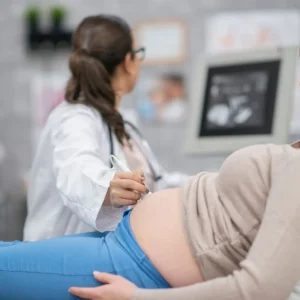
A typical visit includes a health history review, blood pressure and weight checks, an ultrasound to assess your baby's growth, and any additional tests your condition requires.

 Posted on Google
 amitisful
Trustindex verifies that the original source of the review is Google.
Amazing experience! The staff were wonderful and I’m very happy with the results. I’ll definitely come backThis is truly a state-of-the-art beauty clinic. The facilities, technology, and range of services available here are exceptional, and you won’t easily find the same level of comprehensive care in other clinics. As a physician, I highly recommend visiting this clinic. It is truly in a class of its own when it comes to aesthetic medicine, offering a complete range of beauty and aesthetic services, from surgical to non-surgical treatments, all under one roof..❤️❤️❤️Posted on Google Helmi Emadما شاء الله موقع ممتاز عيادة نظيفة تحسهم من المستقبل أما الاستقبال مررررة أدب تستأنث وياهم الصراحة ما تحس نفسك في عيادة من شدة إهتمام الدكاترة وباقي التيم كله متوفر عندهم مواقف سيارات مجانية ومصعد لذوي الاحتياجات الخاصة أشكر أصدقائي على التوصية بي عيادة ترستا واتمنى لكم التوفيق والنجاحPosted on Google
 Sahar GeramiPosted on Google
 Donna AskariAmazing clinicPosted on Google
 Farnaz Saeedi⭐⭐⭐⭐⭐ I had a great experience at Trusta Clinic. The staff were very professional, friendly, and welcoming. The clinic is clean, modern, and well-organized, and I really appreciated the attention to detail and the quality of service. Highly recommended! I’ll definitely be coming back. ❤️Posted on Google
 Layth SalhabAbsolutely amazing experience at Trusta Medical Center! ⭐️⭐️⭐️⭐️⭐️ The clinic is beautiful, modern, and very clean. The team is professional, welcoming, and genuinely attentive from the moment you arrive. You can really feel the high standard of care and attention to detail. Highly recommended for anyone looking for quality medical and aesthetic services in Dubai. 👌🏻✨Posted on Google
 sahra rezvanpanah⭐⭐⭐⭐⭐ I had a wonderful experience at Trusta Clinic, from the initial consultation all the way through my cosmetic procedure. Everyone, from the staff to the doctors, was incredibly supportive, caring, and attentive throughout the entire process. I truly felt that I was surrounded by people who genuinely cared about me, almost as if I were among friends. I’m very happy with my experience and would definitely recommend Trusta Clinic to anyone considering a cosmetic procedure.Posted on Google
 Mohammed AbdalraheemA lovely experience at Trusta Medical Center. The staff are kind, welcoming, and very professional, and the clinic has a clean and comfortable atmosphere. I truly appreciated the attention to detail, the respectful way everything was explained, and the high standard of care. The doctors are carefully selected and clearly experienced in their fields. A very pleasant and trustworthy medical center that I would happily recommend to others.Posted on Google
 Isis Aamn💖💖🌹 I had a very pleasant experience at Trusta Medical Center. The clinic is clean, elegant, and well organized, and the staff were welcoming and professional from the moment I arrived. I was especially impressed with the aesthetic medicine services. The doctors are highly professional, attentive, and take time to explain everything clearly. The prices are also reasonable and transparent. A very comfortable and trustworthy medical center. Highly recommended!🌹💖Posted on Google
 Ayden⭐⭐⭐⭐⭐ I had a wonderful experience at Trusta Medical Center. From the moment I arrived, the reception team was welcoming, professional, and very well organized. The entire clinic has a clean, elegant, and comfortable atmosphere, which immediately gives you a sense of confidence and trust. I was particularly impressed by their Aesthetic Medicine Department. The team takes the time to understand each patient’s concerns and expectations, and everything is explained clearly before making any decision. Their approach feels professional and patient-centered rather than commercial. The clinic also seems very selective in choosing its doctors. The medical team is experienced, knowledgeable, and genuinely focused on achieving natural and appropriate results while maintaining high standards of safety. Another positive point was the transparency regarding prices and treatment options. Everything was explained clearly, with no unnecessary pressure to undergo additional procedures. Overall, Trusta Medical Center is an excellent polyclinic that combines professional medical care, hospitality, cleanliness, fair pricing, and highly qualified doctors under one roof. I would confidently recommend it to anyone looking for a reliable medical center in Dubai, especially for aesthetic medicine. A truly five-star experience. Highly recommended. ❤️Verified by TrustindexTrustindex verified badge is the Universal Symbol of Trust. Only the greatest companies can get the verified badge who has a review score above 4.5, based on customer reviews over the past 12 months. Read more