
Exosome Injection for Knee Pain and Joint Problems
Trusta Medical Center offers Exosome Injection for knee problems linked to certain joint and soft tissue conditions. The treatment uses exosome-based products. Our orthopedic surgeon injects the treatment into the affected area.
Knee pain can slowly change the way you move. Simple activities can start to feel harder. New research in regenerative medicine has brought attention to exosome injection therapy. This treatment is being studied for its possible role in tissue repair and inflammation. It may offer another option for selected knee problems.
How Exosome Injection Works?
Exosomes are very small particles that cells release naturally. They contain proteins and other substances involved in cell communication.
Researchers are studying exosomes for their possible role in tissue repair and inflammation. This has created interest in their use for joint and soft tissue problems.

Potential Benefits of Exosome Injection
Patients may consider Exosome Injection because it is a non-surgical treatment option.
Potential areas of interest include:
- Supports tissue repair
- Cell communication
- May help with inflammation
- Supports joint health
- Soft tissue recovery
- Non-surgical treatment option
Results vary between individuals. Exosome therapy cannot guarantee the same outcome for every patient.

Who May Be a Good Candidate?
Not everyone is a suitable candidate for Exosome Injection. Exosome therapy may be appropriate for individuals who have certain knee problems that have not improved with conservative treatment.
You may benefit from an assessment if you have:
- Persistent knee pain
- Knee stiffness
- Reduced knee movement
- Pain during exercise
- Repeated knee injuries
- Pain from repetitive activity
- Knee osteoarthritis
- Certain joint or soft tissue conditions
Our doctor needs to assess your knee before recommending treatment.
Common Causes of Knee Pain Without Injury
Knee pain can come from different structures. These consist of bones, joints, cartilage, tendons and ligaments.
Common causes include:
- Knee osteoarthritis
- Cartilage wear or damage
- Tendon injuries
- Ligament injuries
- Sports injuries
- Knee pain caused by repeated movements
- Joint inflammation
- Previous knee injuries
- Overuse injuries
How Is Exosome Injection for Knee Performed?
Exosome treatment follows a simple process.
Knee Assessment
A detailed examination is the first step. Our orthopedic surgeon asks about your symptoms and examines your knee. Imaging may be needed in some cases. This can help identify the affected joint or soft tissue.
Treatment Planning
Our doctor reviews your condition and discusses the available treatment options. This helps us decide if Exosome Injection is suitable for you.
Injection
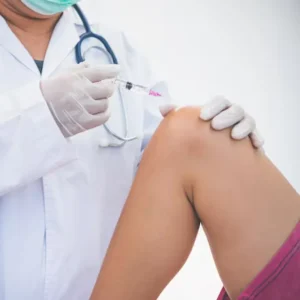
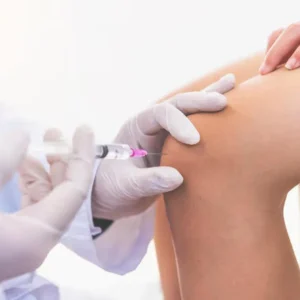
Our doctor cleans the treatment area. The exosome-based treatment is then injected into the area being treated. In cases where precise placement is required, it can be done under ultrasound guidance.
Aftercare
You will receive instructions after the procedure. These may include temporary activity restrictions. Follow the advice given by our specialist during recovery.
How Can Exosomes Help the Knee?
Exosomes contain substances involved in cell communication. Researchers are studying their possible role in the body’s repair processes.
- Joint problems
- Cartilage conditions
- Tendon injuries
- Ligament injuries
- Inflammatory conditions
- Soft tissue problems
Our diagnosis plays an important role in deciding whether to use it.
Exosome injection for knee Osteoarthritis
Knee osteoarthritis can lead to pain and stiffness. Walking and climbing stairs can become difficult. Exercise can also be unpleasant. Researchers are studying exosomes for knee osteoarthritis for their possible effects on inflammation and joint tissues. We first find the cause of your pain. Then we discuss whether exosome therapy suits your condition. Our team will also explain other treatment options that may help your knee.
Exosome Injection for Knee Injuries
A knee injury can affect a tendon or ligament. It can also damage other soft tissue. Sports and repetitive activities can increase the risk. The injury may cause pain and reduced knee function. Some injuries also lead to swelling or weakness. Exosome therapy may be considered for selected soft tissue conditions. Our doctor will first determine the type and severity of the injury.
Exosome Injection Before and After
Many patients search for Exosome Injection before and after results before choosing treatment. Results can look different from one person to another.
Your outcome can depend on:
- The condition of your knee
- The cause of your pain
- The amount of joint damage
- Your general health
- Your response to treatment
- Your recovery
Our specialist explains what you can realistically expect before treatment. We also provide aftercare instructions based on your knee condition.
What Happens After Exosome Injection?
There may be some pain after the Exosome Injection. Swelling and tenderness can also happen. The effects will typically resolve as time goes on. Recovery will vary based on what condition is being treated. Don’t overuse your knee until our doctor says it is safe to do so. Slowly getting back to normal activities can help.
When Will Exosome Injection Start Working?
Exosome therapy does not usually provide instant relief. The response can vary between patients. Some patients may notice changes within a few weeks. Others may need longer to see improvement. Your response depends on the condition and its severity. Your overall health can also affect recovery.
Who May Not Be Suitable?
Some knee problems need a different treatment. Severe joint damage may require surgery.
Exosome Injection may not be suitable if you have:
- Severe joint damage
- An active infection
- A condition that requires surgery
- A medical issue that affects treatment
- Symptoms that need further investigation
Our doctor will discuss other treatment options when Exosome Injection is not suitable.
Exosome Therapy vs Other Knee Pain Treatments
|
Treatment |
Purpose |
|
Rest |
Reduces stress on injured tissue |
|
Activity changes |
Limits movements that trigger pain |
|
Physical therapy |
Builds strength and improves movement |
|
Medication |
Helps manage pain |
|
Cortisone injection |
May reduce inflammation in selected conditions |
|
Hyaluronic acid injection |
Helps improve lubrication within the joint |
|
PRP injection |
Uses platelets and growth factors from your own blood |
|
Exosome Injection |
Uses exosome-based treatment being studied for tissue and cell communication |
|
Surgery |
Treats certain structural or severe injuries |
Exosome therapy is also being studied for other joint and soft tissue conditions. For shoulder-related problems, you can also learn more about our PRP for Shoulder Pain treatment.
Is Exosome Injection Safe?
Exosome-based treatments are still an evolving area of research. The safety of treatment can depend on the product used and how the treatment is prepared and performed. The injection can cause temporary soreness. Bruising and swelling may also occur. Infection is possible with any injection procedure. Discuss any medicines and health conditions with our doctor before the procedure.
Why Choose Trusta Medical Center?
Knee pain needs the right diagnosis before treatment. Our orthopedic surgeon examines the affected area and looks for the source of your symptoms. We do not recommend Exosome Injection simply because you have knee pain.
If Exosome Injection is suitable, we explain the procedure and recovery process. There are alternative options when they may be more suitable. These are also discussed.
Book an Exosome Injection Consultation
Exosome Injection consultation will assess your suitability for treatment. Knee pain is often a hindrance to work as well as day-to-day activities. To find out what’s causing the issue is the first step towards proper treatment.
Our orthopedic specialists can examine your knee and discuss your choices. If Exosome Injection is appropriate for your situation, we will discuss the expected outcome of the treatment and recovery.
our expert answers
Frequently Asked Questions
What are Exosome Injections used for?
Researchers are studying exosome injections for their possible role in cell communication and tissue repair. Joint and soft tissue conditions are included in this research.
Do Exosome Injections hurt?
Exosome injections may be slightly painful to administer. You may also notice mild soreness after treatment.
How long does an Exosome Injection take?
The procedure usually takes a short time. Our clinic can give you the exact duration during your consultation.
When can I exercise after an Exosome Injection?
Avoid strenuous knee exercise until our doctor says it is safe to return. The timing depends on your condition and recovery.
How long do Exosome Injection results last?
Results vary between patients. The duration of improvement depends on the condition and your response to treatment.

Posted on Google 

salochana kumari
 Trustindex verifies that the original source of the review is Google.
I visited trusta clinic overall is so amazing but the receptionist Rizza she is so nice and way of dealing with customer is amazing and her behaviour is so attractive ❤️
Posted on Google

Doaa Fathy
Trustindex verifies that the original source of the review is Google. It’s a great experience ❤️I used iv there and it’s give me a very good result ❤️🤩
Posted on Google

Majed Alsaadi
Trustindex verifies that the original source of the review is Google. Mashallah! This is one of the best clinics in Dubai, located in Al Wasl. It officially opened yesterday and features some of the world’s finest doctors.
A special thank you to the amazing customer service team: Goli, Rizza, and Lama.
And thank you to Trusta for the warm welcome and wonderful hospitality! ❤️
Posted on Google

Nimal Rajapaksage
Trustindex verifies that the original source of the review is Google. I did my hair transplant treatment in trusta medical center and they have professional team from receptionist to Dr and hair technicians and also after care and I am so happy and I already recommended to my friends, thank you
Posted on Google

Ri Santos
Trustindex verifies that the original source of the review is Google. What makes this clinic special is not just the quality of care but the people behind it The staff are amazing attentive & genuinely welcoming ü can feel the difference when professionalism comes with a personal touch. Truly a place that makes you feel cared for not just treated. ✨
Posted on Google

Reshma Ajeesh
Trustindex verifies that the original source of the review is Google. Done microblading . Really good experience . Thankyou Arezoo 😊
Posted on Google

Shaghayegh
Trustindex verifies that the original source of the review is Google. I think Trusta is a good choice for plastic surgery. I like that the doctors are really knowledgeable and don’t just say yes to everything. They actually take their time to check what’s right for you instead of just focusing on selling treatments. That’s something I really appreciate
Posted on Google

Sima Khayati
Trustindex verifies that the original source of the review is Google. I had lip filler , i am really happy with my results . Thank you so much
Posted on Google

youssef Hamouda
Trustindex verifies that the original source of the review is Google. Amazing experience from start to finish! The clinic is beautiful, clean, and very professional. The staff are incredibly friendly, welcoming, and attentive, making you feel comfortable from the moment you walk in. The quality of service is outstanding, and the attention to detail is truly impressive. Highly recommended for anyone looking for excellent beauty and aesthetic services.
Posted on Google

Behnaz Hemmati
Trustindex verifies that the original source of the review is Google. I had my eyebrow transplant and facelift at Trusta clinic and I’m really happy with the results!
The team was great, and I loved the convenience of having parking and EV charging available right at the clinic.