
Revision Rhinoplasty by Dr. Darbani in Dubai
If you find that the appearance of your nose is not satisfactory after the first operation or you are having breathing problems, Revision Rhinoplasty in Dubai will give a way of correcting the problem and improving the appearance and functioning of your nose. Revision rhinoplasty performed by Dr. Darbani in Trusta Medical Center. if you need to have a correction of the problem related to asymmetry, irregular shape, weak structure, or functionality of your nose after any previous nose surgery. The consultation with the surgeon will help you understand the exact cause of your problem and make a surgical plan according to the state of your nose.
Revision rhinoplasty is much more complicated procedure than the primary rhinoplasty since your nose has already had some surgical interventions. It requires the evaluation of such factors as scar tissue, cartilage changes, new nasal anatomy and decreased structural strength. All of these issues are corrected during the surgery performed by Dr. Darbani using modern techniques of rhinoplasty.
Schedule your consultation with our unique surgeon of Trusta Medical Center today.

What Is Revision Rhinoplasty and why is it used for?
Revision rhinoplasty, or secondary rhinoplasty, is an operation on the nose that is undertaken following a prior rhinoplasty. This is done to correct issues that arise either following the prior rhinoplasty or during the recovery period.
Common causes for revision rhinoplasty may include:
- Deviated or uneven nose
- Presence of a nasal hump
- Overly reduced nasal bridge
- Pinched nasal tip
- Nasal valve collapse
- Difficulty breathing
- Abnormal contours of the nose
- Displeasing cosmetic results
- Weak nasal structure
- Changes in the nasal structure following a previous surgery
In most instances, the procedure takes care of both cosmetic and functional issues, especially where there has been a change in the nasal structure.

Why Is Revision Rhinoplasty More Complex?
A second nose surgery requires a different level of planning because the surgeon works with a structure that has already undergone surgery.
Previous surgery often leaves scar tissue and changes the amount, position, or strength of the available cartilage. Therefore, the surgeon first needs to understand the existing nasal framework before deciding how to correct it.
Depending on the condition of the nose, revision surgery may involve:
- Reshaping existing cartilage
- Rebuilding weakened nasal structures
- Correcting asymmetry
- Supporting the nasal tip
- Refining the bridge
- Improving the nasal airway
- Removing or releasing problematic scar tissue
- Using cartilage grafts for additional structural support
How Does Revision Rhinoplasty Work?
The specific surgical technique will be determined based on how the previous procedure changed your nose. Nevertheless, in most cases, there are six major steps involved in the process. Each stage builds on the last, giving the doctor a clear path from diagnosis to a stable, long-lasting result.
1. Comprehensive Consultation
Our doctor evaluates your previous rhinoplasty, understands your concerns about the present results and examines both form and function of your nose. This conversation also covers your goals for the revision, so expectations stay realistic from the start. Sharing photos from before your original surgery can help the doctor understand your natural nasal structure.
2. Inspection of Your Nose
The external and internal inspection of your nose reveals the condition of the cartilage, septum, nasal passages, skin, scar tissue and other important issues. This step often uncovers whether breathing function was affected by the first procedure, not just appearance. Imaging may be used alongside the physical exam to map problem areas more precisely.
3. Surgical Plan Development
Based on the evaluation, the doctor decides which surgical technique is needed and whether cartilage grafting should be performed or not. The plan also outlines whether an open or closed approach fits your case best. Because every revision nose is different, this stage is specific around your specific anatomy rather than a standard template.
4. Nose Structure Adjustment
In the course of surgery, Dr. Darbani reshapes, relocates, strengthens or replaces the cartilage as necessary and solves the issue with the scar tissue. Weakened or scarred tissue from the earlier surgery often needs extra reinforcement to hold its new shape. Correcting internal support at this stage also helps prevent future collapse or breathing issues.
5. Cartilage Grafting
When natural cartilage does not provide adequate support for your nose, Dr. Darbani takes grafts from the septum, ear or rib. Septal cartilage is usually the first option, but if it was already used in the original surgery, ear or rib cartilage serves as the backup source. These grafts rebuild structural strength and help the nose maintain its new shape over time.
6. Final Steps of Surgery
After the doctor has corrected the nose structure, he redrapes the skin and closes the incision site. Then the nasal splint is applied to protect the new structure during early healing. Most patients wear the splint for about a week before their first follow-up visit.
Why Is Cartilage Grafting Important in Revision Rhinoplasty?
In the case of secondary rhinoplasty, cartilage grafts become significant since the first procedure have resulted in the decreased availability of cartilage for the reconstruction process.
Cartilage grafts are used to enhance structural integrity if there is any weakness, narrowing, or collapse in the nose framework. The choice of cartilage depends on the findings during surgery.
There is variation in the sources of cartilage in different patients. One septal cartilage, while the other one is ear or rib cartilage.
Why Is Cartilage Grafting Important in Revision Rhinoplasty?
In the case of secondary rhinoplasty, cartilage grafts become significant since the first procedure have resulted in the decreased availability of cartilage for the reconstruction process.
Cartilage grafts are used to enhance structural integrity if there is any weakness, narrowing, or collapse in the nose framework. The choice of cartilage depends on the findings during surgery.
There is variation in the sources of cartilage in different patients. One septal cartilage, while the other one is ear or rib cartilage.
Benefits of Revision Rhinoplasty in Dubai
Revision rhinoplasty centers around rectifying any issues that have been caused due to past nose surgery. According to different cases, revision rhinoplasty offer many advantages:
- Rectifies asymmetries or irregularities in the nose
- Improves the shape of the tip of the nose that is uneven
- Rectifies the nose bridge shape after an over-reduction or irregular healing process
- Supports structure by grafting the cartilage
- Remedies nasal valve collapse resulting from breathing problems
- Rectifies nasal breathing when there is structural narrowing that causes breathing problems
- Facial proportion balance is achieved through shaping the nose
- Rectifies any scar-induced structural problems after the past surgery
The aim of revision rhinoplasty is not to repeat the first surgery. The focus here is on what has changed after the initial rhinoplasty and rectifying it.
Revision Rhinoplasty Procedure Step-by-Step
1. Consultation and Assessment
Our specialist reviews your prior surgery records, evaluates the nose, and discusses the modifications that need to be made. This session also helps clarify which concerns are cosmetic and which relate to nasal function. Understanding your goals early ensures the treatment plan addresses what matters most to you.
2. Pre-Operative Evaluation
Evaluation of your general health, past surgery records, nose shape, and breathing capacity takes place prior to the surgery. This stage may include imaging or airflow tests to get a complete picture of internal structures. Confirming your overall fitness for surgery at this point helps reduce risks during and after the procedure.
3. Surgical Plan
Based on the structural defects diagnosed during the evaluation, our surgeon decides on the surgical method to be used. The plan outlines whether cartilage grafting will be required and which areas need the most attention. Each approach is mapped out around your specific anatomy rather than a one-size-fits-all method.
4. Anesthesia
Revision Rhinoplasty is normally conducted using general anesthesia by Dr. Darbani. This keeps you comfortable and completely unaware throughout the procedure, which can take longer than a first-time rhinoplasty. An anesthesiologist monitors your vitals continuously to ensure safety from start to finish.
5. Structural Modifications
The nose is reshaped, strengthened or reconstructed by our expert surgeon. Grafts of cartilage are used when extra support is necessary, often sourced from the septum, ear, or rib depending on availability. This stage focuses on correcting both the visible shape and any underlying issues affecting breathing.
6. Closure and Splinting
Once the correction of the nose is done by Dr. Darbani, closure of the surgical cuts and placing of the splints take place. The splint protects the new structure and helps maintain its shape during the earliest and most delicate phase of healing. Most patients keep the splint on for about a week.
7. Follow-up
Postoperative follow-up visits involve monitoring of healing, swelling, nasal functioning, and formation of the final outcome. These check-ins allow the doctor to catch any concerns early and track progress against the surgical goals. Full results typically take several months to a year to fully settle.

Issues Addressed With Revision Rhinoplasty
Our revision rhinoplasty approach addresses a range of cosmetic and functional concerns following previous nasal surgery.
| Concern | Surgical Approach |
|---|---|
| Pinched or narrowed nasal tip | Structural support and cartilage grafting |
| Irregular bridge | Reshaping or rebuilding the nasal bridge |
| Nasal asymmetry | Structural repositioning and correction |
| Collapsed nasal valve | Reinforcement of the affected area |
| Over-rotated nasal tip | Tip reconstruction and repositioning |
| Weak nasal framework | Cartilage grafting and structural support |
| Scar tissue affecting shape | Scar tissue management during surgery |
| Breathing difficulties | Structural correction of the nasal airway |
The right technique depends on the nose’s condition, prior surgical changes, available cartilage, and the concerns identified during assessment.
Why Choose Trusta Medical Clinic for Revision Rhinoplasty in Dubai?
A good revision rhinoplasty involves thorough anatomical evaluation and experience in reconstruction and knowledge about how the previous surgery has affected the nose. In our clinic, we have combined experience in performing revision and primary rhinoplasty surgeries and thorough evaluation of previous surgical effects. We assess both functional and aesthetic parts of the nose and, if necessary, we perform advanced cartilage grafting. Depending on each particular case, Dr. Darbani either performs open or closed rhinoplasty techniques and makes a thorough pre-operative surgical plan that takes into account natural proportions of the face.
Every case of revision is structurally different and therefore, Dr. Darbani starts from thorough examination and then decides what surgical technique should be used in each specific case. The post-surgery follow up and monitoring also become very important in the whole procedure.
Who Is a Candidate for Revision Rhinoplasty?
There are certain individuals who are eligible for revision rhinoplasty. These include people who are dissatisfied with their first nose job procedure or those who face problems following the procedure. These individuals must:
- Possess a cosmetic or functional problem
- Have provided enough time for healing after previous surgery
- Be in excellent overall health condition
- Have realistic expectations from the procedure
- Do not have any medical problems that might pose a risk during the procedure
- Not be smokers
When Should You Consider Revision Surgery?
It does matter. Most of the time, doctors advise patients to wait for about one year after their first rhinoplasty procedure before contemplating the possibility of undergoing any revisions. This is so that any swelling and healing that might occur stabilize, giving the doctor an accurate look at your nose.
However, early assessment will be needed should there be some breathing problems.
How Long Does Revision Rhinoplasty Take?
Revision rhinoplasty often takes longer than primary rhinoplasty because the procedure involves previous surgical changes, scar tissue, and structural reconstruction. The exact operating time depends on the complexity of the correction and whether cartilage grafting is required.
What to Expect After Revision Rhinoplasty
Healing will depend on the extent of the reconstruction required.
During the first week, you will experience some swelling and bruising, and your surgeon will give you a nasal splint to aid in healing your nose.The second period is characterized by fading of the bruising but the reduction of swelling, during which you will be able to engage in routine activities.
In the months ahead, your nose will keep evolving into its new shape. The swelling of the nose tip could take longer to disappear.
Post-op follow-up appointments are very critical in the healing process.
What Should You Consider Before Revision Rhinoplasty?
Revision surgery requires realistic expectations and good preparation. A number of issues that need to be considered before scheduling the surgery are:
- Revisions are more technically difficult than primary rhinoplasties.
- Previous removal of cartilages impacts the reconstruction, especially when there is a lack of support structures.
- The scar tissue impacts the approach and the reaction of the nasal tissue.
- Not all cases achieve perfect symmetry, especially in cases when the nasal framework was changed by the previous surgery.
- In certain cases, an additional surgery will be needed.
- The final result will take some time to form, especially when it comes to the nasal tip.
- Issues of breathing and aesthetics should be covered during the planning of the surgery.
The detailed consultation gives you a better picture of your nasal state and goals of the revision surgery.
Is Revision Rhinoplasty Safe?
The procedure is well known among surgeons, but it is also technically more difficult than rhinoplasty. The past surgery, scar tissue, changed anatomical characteristics, and limited cartilage are among the factors that affect the procedure.
First, Dr. Darbani evaluates the previous surgery and the condition of your nose. The doctors at Trusta Medical Center follow pre-surgical evaluation, planning, anesthesia, and post-operative follow-up procedures during the process of treatment.
Your surgeon will discuss possible risks, recovery period, and limitations of the procedure.
our expert answers
Frequently Asked Questions
When can I get a revision surgery following my first rhinoplasty procedure?
For most elective revisions, it is recommended that you wait for about 12 months because at this point, your nose will have healed enough. It is important to note that earlier assessments may be needed when there are complications that need medical intervention.
Is revision rhinoplasty more painful than a first nose job?
Discomfort levels are generally similar, though recovery can feel slightly more involved due to scar tissue and, in some cases, additional cartilage grafting.
Will I need a cartilage graft for my revision?
It depends on how much cartilage remains and what needs rebuilding. Some cases need grafting, often taken from the septum or ear, while others only need repositioning of existing tissue.
How risky is a revision rhinoplasty?
Slightly higher risk than a first-time nose job, due to scar tissue and altered anatomy but manageable with experienced planning.
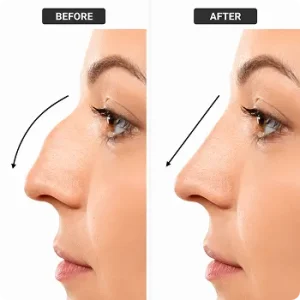
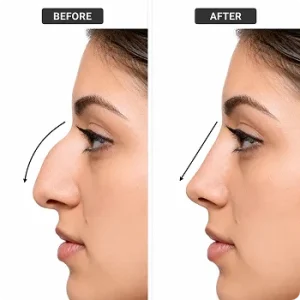
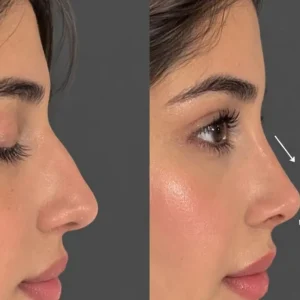
Revision Rhinoplasty Results: Before and After
Results vary more in revision cases than in primary rhinoplasty, simply because every patient starts from a different surgical history. That said, most patients see clear improvement in the specific concern they came in for, whether that’s a straighter bridge, a more natural tip, better symmetry, or easier breathing.
Initial shape is visible once the splint comes off around day 7, though swelling still hides the final contour at that point. The nose continues refining over the following months, with most of the change settling by month 6 and the very last subtle softening completing closer to the 12-month mark.
 Posted on Google
 amitisful
Trustindex verifies that the original source of the review is Google.
Amazing experience! The staff were wonderful and I’m very happy with the results. I’ll definitely come backThis is truly a state-of-the-art beauty clinic. The facilities, technology, and range of services available here are exceptional, and you won’t easily find the same level of comprehensive care in other clinics. As a physician, I highly recommend visiting this clinic. It is truly in a class of its own when it comes to aesthetic medicine, offering a complete range of beauty and aesthetic services, from surgical to non-surgical treatments, all under one roof..❤️❤️❤️Posted on Google Helmi Emadما شاء الله موقع ممتاز عيادة نظيفة تحسهم من المستقبل أما الاستقبال مررررة أدب تستأنث وياهم الصراحة ما تحس نفسك في عيادة من شدة إهتمام الدكاترة وباقي التيم كله متوفر عندهم مواقف سيارات مجانية ومصعد لذوي الاحتياجات الخاصة أشكر أصدقائي على التوصية بي عيادة ترستا واتمنى لكم التوفيق والنجاحPosted on Google
 Sahar GeramiPosted on Google
 Donna AskariAmazing clinicPosted on Google
 Farnaz Saeedi⭐⭐⭐⭐⭐ I had a great experience at Trusta Clinic. The staff were very professional, friendly, and welcoming. The clinic is clean, modern, and well-organized, and I really appreciated the attention to detail and the quality of service. Highly recommended! I’ll definitely be coming back. ❤️Posted on Google
 Layth SalhabAbsolutely amazing experience at Trusta Medical Center! ⭐️⭐️⭐️⭐️⭐️ The clinic is beautiful, modern, and very clean. The team is professional, welcoming, and genuinely attentive from the moment you arrive. You can really feel the high standard of care and attention to detail. Highly recommended for anyone looking for quality medical and aesthetic services in Dubai. 👌🏻✨Posted on Google
 sahra rezvanpanah⭐⭐⭐⭐⭐ I had a wonderful experience at Trusta Clinic, from the initial consultation all the way through my cosmetic procedure. Everyone, from the staff to the doctors, was incredibly supportive, caring, and attentive throughout the entire process. I truly felt that I was surrounded by people who genuinely cared about me, almost as if I were among friends. I’m very happy with my experience and would definitely recommend Trusta Clinic to anyone considering a cosmetic procedure.Posted on Google
 Mohammed AbdalraheemA lovely experience at Trusta Medical Center. The staff are kind, welcoming, and very professional, and the clinic has a clean and comfortable atmosphere. I truly appreciated the attention to detail, the respectful way everything was explained, and the high standard of care. The doctors are carefully selected and clearly experienced in their fields. A very pleasant and trustworthy medical center that I would happily recommend to others.Posted on Google
 Isis Aamn💖💖🌹 I had a very pleasant experience at Trusta Medical Center. The clinic is clean, elegant, and well organized, and the staff were welcoming and professional from the moment I arrived. I was especially impressed with the aesthetic medicine services. The doctors are highly professional, attentive, and take time to explain everything clearly. The prices are also reasonable and transparent. A very comfortable and trustworthy medical center. Highly recommended!🌹💖Posted on Google
 Ayden⭐⭐⭐⭐⭐ I had a wonderful experience at Trusta Medical Center. From the moment I arrived, the reception team was welcoming, professional, and very well organized. The entire clinic has a clean, elegant, and comfortable atmosphere, which immediately gives you a sense of confidence and trust. I was particularly impressed by their Aesthetic Medicine Department. The team takes the time to understand each patient’s concerns and expectations, and everything is explained clearly before making any decision. Their approach feels professional and patient-centered rather than commercial. The clinic also seems very selective in choosing its doctors. The medical team is experienced, knowledgeable, and genuinely focused on achieving natural and appropriate results while maintaining high standards of safety. Another positive point was the transparency regarding prices and treatment options. Everything was explained clearly, with no unnecessary pressure to undergo additional procedures. Overall, Trusta Medical Center is an excellent polyclinic that combines professional medical care, hospitality, cleanliness, fair pricing, and highly qualified doctors under one roof. I would confidently recommend it to anyone looking for a reliable medical center in Dubai, especially for aesthetic medicine. A truly five-star experience. Highly recommended. ❤️Verified by TrustindexTrustindex verified badge is the Universal Symbol of Trust. Only the greatest companies can get the verified badge who has a review score above 4.5, based on customer reviews over the past 12 months. Read more