
October 20, 2026
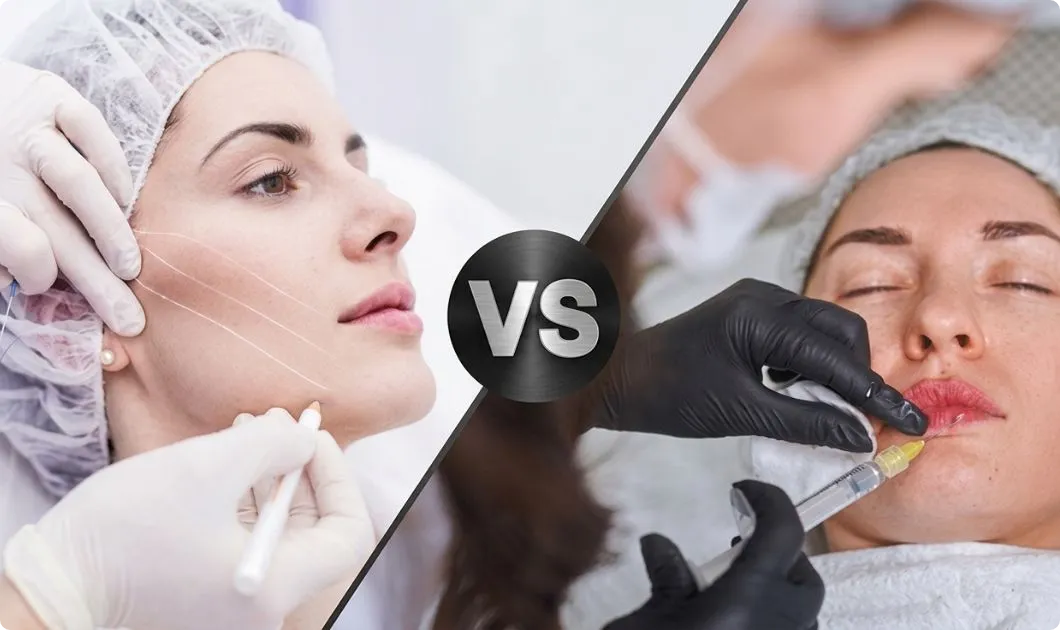
Although biostimulators vs dermal fillers both serve aesthetic purposes, they differ in their primary functions. Most dermal fillers restore facial volume, whereas biostimulators stimulate the body’s natural collagen production. Some of the injectable medications may combine these two properties; therefore, it is very important to distinguish their features.
It is essential to understand the difference between these two treatments as it will allow understanding the purpose of each treatment, how results appear, and what factors need to be taken into account by a medical specialist in trusta Medical center when discussing treatment options.
What Are Dermal Fillers?
Injectable dermal fillers are solutions meant to restore volume and shape facial features as well as reduce lines. Most dermal fillers contain HA, which is an ingredient that occurs naturally in the body and retains moisture.
The aging process is often associated with a loss of volume in various parts of the face, depending on changes in the fat layer and skin structure.
How Do Dermal Fillers Work?
The hyaluronic acid dermal fillers provide the filling effect and retain water in the area of application. Depending on the specific product used, there is the potential to assist with achieving improved facial symmetry and proportion.
Treated areas may include:
- Lips: Increase fullness and achieve better definition.
- Cheeks: Restore volume in desired regions.
- Chin: Help with better projection and balance.
- Jawline: Contour improvement in appropriate patients.
- Facial folds: Soften specific lines and wrinkles.
The changes should be seen immediately, however, the effect of swelling and bruising may interfere with results initially.
What Are the Main Benefits of Dermal Fillers?
However, dermal fillers become especially helpful when the desired outcome is a change in the volume or shape.
Possible advantages of dermal fillers include the following:
- Selective improvement of facial features.
- Correction of certain areas where volume is lacking.
- Often immediate results after the procedure.
- Possibility of dissolving certain HA fillers with hyaluronidase.
- Results may vary depending on many factors.
What Are Biostimulators?
Biostimulators are injectable substances meant to stimulate collagen growth. Collagen is a supportive protein which assists in making the skin elastic.
With changes in the amount of collagen and supporting tissues, there will be changes in the appearance of skin firmness. Biostimulators strive to make gradual changes in the tissues rather than depend on the volume added by the injectable product only.
How Do Biostimulators Work?
Biostimulants have an effect on the tissue that surrounds them and are capable of affecting the process of collagen formation.
They include:
- Poly-L-lactic acid (PLLA) :used in some injectable procedures for stimulating collagen formation and achieving volume effects gradually.
- Calcium hydroxylapatite (CaHA) : has the capacity to create immediate structural volume and/or stimulate collagen formation, depending on how it is used.
The properties of these materials are different and require their own techniques of application. The outcome depends on various factors.
What Are the Main Benefits of Biostimulators?
The use of biostimulators can be considered if gradual improvement in specific elements of facial volume or support is sought.
Advantages can include:
- Stimulation of natural collagen production.
- Change occurring gradually.
- Improvement of selected elements of skin firmness or structural support.
- Long-lasting results with certain formulations, depending on the individual and treatment.
Biostimulators are not appropriate for all areas of the face, nor are they an alternative to all dermal fillers.
Biostimulators vs Dermal Fillers: The Key Differences
The most important distinction is how each treatment achieves its effects. Many dermal fillers primarily add volume, while biostimulators encourage collagen production. However, certain products can do both.
Feature | Dermal Fillers | Biostimulators |
Main purpose | Restore volume and improve contours | Stimulate collagen and support gradual tissue changes |
How they work | Many HA fillers add volume and attract water | Encourage collagen-related processes |
Results | Often visible shortly after treatment | Usually develop gradually, although some products provide immediate volume |
Common goals | Fuller lips, cheek volume, facial definition | Gradual changes in volume and tissue support |
Treatment sessions | Depend on the desired result and product | Some products require multiple sessions |
Duration | Varies by product and treatment area | Varies by product and individual response |
Reversibility | Certain HA fillers can be dissolved medically | Reversal is product-specific and generally less straightforward |
Neither treatment is automatically better. They address different goals, and their effects can overlap depending on the product used.

Biostimulators vs Dermal Fillers: Are Collagen Boosters the Same
Here are some terms which are sometimes considered interchangeable but which could mean different treatments the collagen booster and the filler, for example.
What Is a Collagen Booster?
Collagen booster is a general term which denotes the type of treatment which increases the collagen levels or improves some skin characteristics. In the context of cosmetic injections, collagen booster could be used in relation to various products, such as biostimulators.
It will depend solely on the type of treatment and it is vital to know what exactly the name of the product is.
How Do They Differ?
- Collagen stimulators: Concentrate either on changes to collagen or skin texture, based on the product used.
- Volume fillers: Concentrate mainly on the effects of volume and/or facial contours.
- Overlap effects: Certain injectable products offer both volume and collagen stimulatory effect.
This makes it clear why two injectable agents used for facial rejuvenation may give different effects.
Biostimulators vs Dermal Fillers: Volume and Collagen Stimulation
In comparing volume versus collagen stimulation, one must first take into account what each technique is supposed to accomplish.
When Is Volume Enhancement The Goal?
Volume enhancement is usually considered when an area appears to be sunken or needs filling in. For different people, there may be different concerns that fillers can treat such as:
- Cheek deflation.
- Lips that are thin or undefined.
- Facial wrinkles.
- Areas requiring more volume.
The purpose is to alter the volume or shape of the area.
When Is Collagen Stimulation the Main Goal?
The collagen stimulation process is aimed at inducing gradual changes in the tissue. On the basis of the product and its authorized use, treatment may be recommended for:
- Changes in the facial volume that occur gradually.
- Improving tissue support slowly.
- Some indications of skin structural change due to aging.
Such results will emerge over time and cannot be guaranteed. Biostimulators cannot be seen as a universal cure for sagging skin and all other symptoms of aging.
Can Both Approaches Be Used Together?
It is possible that different types of treatments could be used for different aesthetic purposes. For instance, one area might require volume augmentation while another one would benefit from collagen induction. However, the combination of these treatments is not mandatory for everybody. There are other factors that should be taken into account.
Which Factors Influence the Choice?
However, the choice between biostimulators vs dermal fillers is not only about selecting either instant results or gradual development.
These factors play their role:
- Objective of the procedure: Does the client need volume restoration, facial contouring, or stimulation of collagen synthesis or both at the same time?
- Area that needs treatment: Different products are used on different areas of the face.
- Existing alterations: The degree and location of volume loss and decreased skin support might determine the method.
- Medical background: Any allergies, medications, past procedures, existing conditions – all play their role.
- Time of changes: Some treatments provide visible effects quicker, while other types develop slowly.
- Frequency and risks of the procedure: Each product requires its own regimen of maintenance and poses particular risks.
This information should be provided by a medical specialist. Readers who consider using injectable products are welcome to consult about aesthetic treatment options at Trusta Medical Center.
Are Biostimulators and Dermal Fillers Safe?
Both treatments carry certain risks, and their safety depends on several factors, including the product used, injection technique, treatment area, practitioner’s qualifications, and the patient’s medical history.
Common Side Effects
Short-term side effects may include:
- Inflammation.
- Redness and tenderness.
- Bruising at the site of injection.
- There are other complications that could arise from this treatment, including:
- Infection.
- Inflammatory response.
- Formation of nodules.
- Allergic reaction.
What Are the Serious Risks?
Injection of fillers into the blood vessels can occur rarely and may lead to restriction of blood flow, tissue damage, and in some cases even impaired vision or stroke.
Biostimulators can have their own side effects related to particular product. These include development of nodules or other reaction of the body. The gradual action of biostimulators does not make them absolutely safe.
What Should Patients Know Before Treatment?
Before undergoing either treatment, make sure to:
- Verify the specific product intended for use.
- Review your medical history, known allergies, and current medications.
- Discuss realistic outcomes and any limitations of the treatment.
- Learn about potential complications and the steps taken to manage them.
- Select a qualified medical professional with relevant experience in injectable procedures..
Frequently Asked Questions
Are There Biostimulators That Work Immediately?
This is not true to all of them as collagen takes time in development and hence most of them work slowly but there are some that work immediately which include some calcium hydroxylapatite fillers.
Can Dermal Fillers Work To Stimulate Collagen Production?
There are some that can but this does not mean that all of them can do this because hyaluronic acid fillers are used for volume restoration and biostimulators produce collagen.
Who Will Get Longer Results: Biostimulators or Fillers?
The duration of treatment results depends on the product used, the treatment area, the number of sessions required, and the individual’s response to the procedure.
Will I Be Able to Replace Fillers With Biostimulators?
It might be not possible. The primary goal of usage of such products is not always the same. A biostimulator can prove to be less effective than a dermal filler.
What Is Best for My Face?
Only a professional doctor can examine the structure of your face, your skin condition, your overall health, and your expectations about the result.
Final Thoughts
There are many functions of the biostimulators and dermal fillers; however, sometimes they can have something in common according to their outcome. The first one aims at volume reconstruction and formation. The second one focuses on the production and creation of collagen. A medical professional can choose the appropriate technique based on the substance used, the application area, the expected results, and the treatment indications.
To know more about both techniques and make a right decision, it is necessary to look for information in the Trusta Medical Center.