
October 14, 2026
The skin gradually loses its firmness when the collagen production changes as a function of age. This may result in the appearance of fine lines, less skin elasticity and loose skin on the cheeks, jaw line and neck. These changes can also be affected by lifestyle and sun exposure as well as by genetic factors.
Dual frequency radiofrequency skin tightening is non-surgical cosmetic technique that applies radiofrequency energy to produce controlled heat in specific areas of skin. This may help to remodel collagen over time and enhance the look of skin firmness.
To learn more about this technology, it’s important to delve into topics such as radiofrequency energy, the structure of the skin, collagen production, treatment depth and factors that affect the outcomes. It is also crucial to be aware of its restrictions, probable side impacts, and variations from other skin tightening innovations.
What Is Dual-Frequency Radiofrequency Skin Tightening?
Think of it as a controlled heating treatment. The device uses two radiofrequency settings instead of one, and both warm the tissue under your skin.
The name sounds impressive, but it doesn’t tell you much. Two frequencies don’t promise deeper heating or better results. The machine’s design, the power used, and the person holding the applicator all count for more. So when a clinic says “dual frequency,” ask which device they use.
How Does Radiofrequency Energy Work?
Radiofrequency is ELECTROMAGNETIC energy. As it passes through tissue the tissue resists it and raises the temperature of the tissue. This is the key!
Your practitioner can regulate the amount of heat that you receive. The spread of heat depends on the power, duration of the session and the shape of the electrodes. There’s no such thing as too much, too little. Too much burns. A good practitioner is in the middle of the narrow middle.
How Does Controlled Heating Affect the Skin?
Collagen fibres in your skin are affected by warmth. It also initiates a repair response which is similar to your body repairing a minor injury. It is at that repair that the slower, real improvement is found.
Light is the medium that lasers manipulate and sound waves are the medium that ultrasound uses. Unlike other types of heating, RF heats by electrical resistance.
Why Does Dual-Frequency Technology Use Two Frequencies?
The concept is flexibility. The machine has two frequencies to disperse energy in various tissues. But that’s only part of the story. The heating pattern is also affected by the electrode layout, power and shape of the applicator.
Understanding Different Tissue Depths
Fine lines sit in the upper dermis. Sagging involves the tissue below it. One device may reach both, but depth varies from machine to machine, so don’t assume.
Does Using Two Frequencies Guarantee Better Results?
No. Anyone who says otherwise is selling. Your result depends on the evidence for that exact device, the practitioner’s training, and whether you’re a good candidate.
What Role Does Collagen Play in Skin Tightening?
Collagen is the protein that holds your skin up. Together with elastin, it keeps skin springy. From your late twenties, your body makes less of it, and the fibres get messier. Years of sun speed that up.
Immediate Effects of Radiofrequency Heating
Heat makes existing fibres tighten slightly, so some people feel a snug effect right away. Don’t count on it lasting. Swelling and early changes settle within days.
Gradual Collagen Remodelling
Over the next weeks, cells called fibroblasts build new collagen. It’s slow. Most people see improvement build over a few months, and your age, skin quality, and lifestyle affect how much.

Which Skin Layers Can Radiofrequency Technology Target?
Epidermis: The Outer Skin Layer
This is your barrier. The energy has to pass through it, so devices use cooling and temperature sensors to protect it. Wrong settings can still irritate or injure it.
Dermis: The Collagen-Rich Layer
The dermis is the main target. It’s full of collagen and elastin, so heating here gives the biggest tightening effect.
Deeper Supporting Tissue
Below the dermis sit fat and connective tissue that shape your face. Some devices reach this far. Even so, don’t expect a surgical lift.
What Factors Influence Treatment Results?
Frequency counts, but these five matter more.
1. Device Design
Applicators, electrodes, and temperature controls differ. Studies on one machine don’t automatically apply to another.
2. Energy Settings and Treatment Duration
More energy isn’t better. It only raises the risk of burns. Your practitioner should follow the manufacturer’s guidance for your treatment area.
3. Skin Condition and Degree of Laxity
Mild laxity responds better than heavy sagging. Skin thickness and the treated area matter too. RF can’t remove excess skin.
4. Individual Biological Response
Two people can get the same treatment and see different results. Genetics, age, and general health explain much of that. No clinic can promise a set outcome.
5. Practitioner Technique
Anatomy knowledge and device training make a real difference to safety. A proper assessment also keeps your expectations honest.
Which Areas May Benefit From Radiofrequency Skin Tightening?
Cheeks and Lower Face
When support fades, cheeks and the lower face start to look softer. RF can help with mild laxity here.
Jawline
A soft jawline comes from loose skin, fat distribution, and natural ageing. RF can improve the skin part. It can’t fix every cause.
Neck
Neck skin gets fine lines and loses firmness early. After an assessment, some devices may suit these concerns.
What Happens During a Radiofrequency Treatment Session?
Every clinic runs things a little differently, but you can expect four stages.
Initial Assessment
We review your medical history, your skin, past procedures, and your goals. We also talk through contraindications and other options, because RF isn’t always the right answer.
Skin Preparation
Our team cleans the area and may mark it. We also explain what you’ll feel before we start.
Energy Delivery
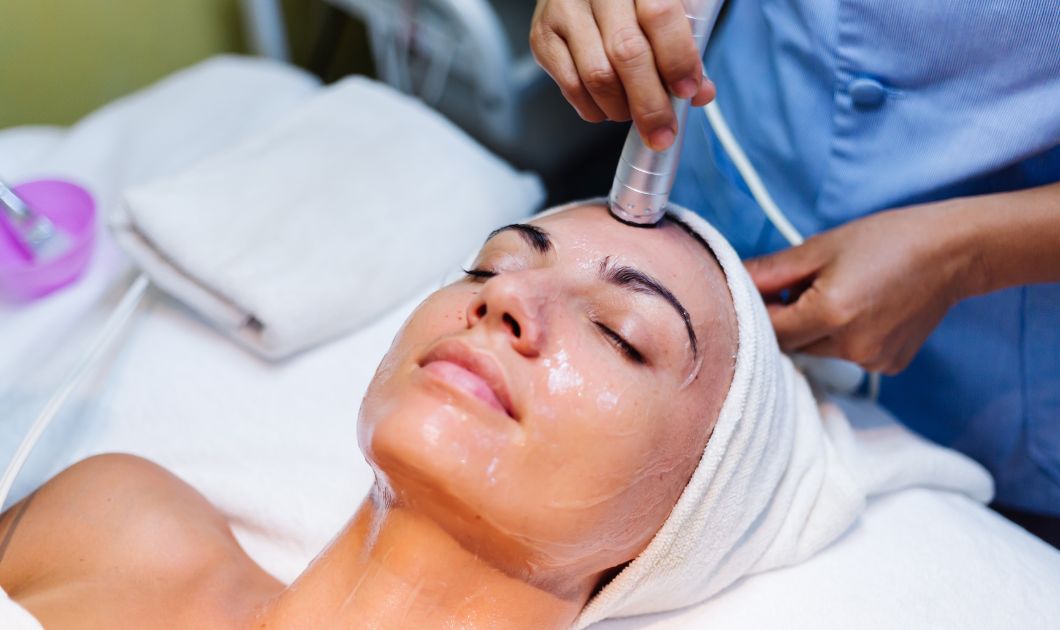
Our specialist glides the applicator over your skin. Most people feel warmth, some feel pressure, and a few feel mild discomfort. Session length depends on the device and the area.
Aftercare
You’ll get clear instructions after your session. Redness, swelling, and tenderness can show up for a short time. Call us if something feels wrong.
How Long Does It Take to See Results?
Some people see a small change straight away. The real improvement arrives slowly, over weeks and months. Swelling can also change how your skin looks for a few days, so don’t judge the result too early. No single timeline or session count fits every system.
Is Dual-Frequency Radiofrequency Skin Tightening Safe?
RF has a solid record in medicine and aesthetics. Still, no treatment is risk-free.
Possible Side Effects
- Redness and swelling
- Tenderness or discomfort
- Temporary changes in skin sensation
- Burns or blisters
- Pigmentation changes or scarring in rare cases
- Unwanted effects on deeper tissue
How likely these are depends on the device, the settings, the technique, and your skin.
How Can Risks Be Reduced?
Pick a trained practitioner who follows the device’s safety protocol. Mention your medications, past procedures, and any implants. See a doctor if you get severe pain, blistering, or swelling that keeps growing.
Who May Not Be Suitable for Radiofrequency Treatment?
However, not all patients would benefit from RF. Active skin infection or underlying skin disease may delay the procedure. Pregnancy, presence of certain types of implants or diseases, as well as a large amount of redundant skin, would preclude the patient from undergoing RF. An experienced practitioner will be able to evaluate risks versus benefits in each case.
How Does Dual-Frequency RF Compare With Other Technologies?
Each technology uses a different kind of energy, so they aren’t interchangeable.
Single-Frequency Radiofrequency
One frequency heats the tissue. The result depends on the full device design and settings.
Dual-Frequency Radiofrequency
Two frequencies shape how energy spreads. Whether that helps you depends on the system and its evidence.
Ultrasound-Based Treatments
These send sound waves to set depths. The physics differs from RF.
Laser Treatments
Lasers use light. Depending on the type, they treat texture, pigmentation, or collagen changes.
No technology wins every time. Compare the evidence, the risks, and your own goals before you choose.
What Is the Connection Between XERF and Radiofrequency Skin Tightening?
XERF is a specific radiofrequency-based treatment for skin laxity. It sits within the wider group of non-surgical, energy-based options. A general guide like this one can’t describe it fully, though. Confirm the device details, settings, and approved uses through official documentation.
You can read more on our XERF treatment information page. Keep the difference in mind: dual-frequency RF is a broad idea, while XERF is one particular system.
Frequently Asked Questions
1. What is the main purpose of dual-frequency radiofrequency skin tightening?
It heats targeted tissue in a controlled way to support collagen remodelling. Depending on the device and your response, your skin may look firmer.
2. Does dual-frequency RF produce more collagen?
Heat can trigger the repair process that builds new collagen. How much you gain varies with the device, the settings, and your body.
3. Are results visible immediately?
Sometimes you’ll notice an early change. The longer-term improvement builds slowly and differs from person to person.
4. Can radiofrequency treatment damage the skin?
Yes. Burns, pigmentation changes, and other injuries can happen when the treatment is unsuitable or the energy isn’t well controlled.
5. Can radiofrequency replace a surgical facelift?
No. RF can help selected skin-laxity concerns, but it doesn’t remove excess skin or recreate what surgery does.
6. How many sessions do you need?
There’s no universal number. Your device, your skin, and your response set the plan.
7. Is dual-frequency radiofrequency suitable for every skin type?
Not always. Your medical history, skin characteristics, and the device’s instructions all matter. A qualified practitioner should assess you first.
Conclusion
Dual frequency radiofrequency skin tightening is based on two frequencies that heat up your skin and remodel the collagen. In time, it will make you achieve firmer skin without having to undergo any surgical procedures. However, the success will still depend on many factors.
It’s a sensible option for mild to moderate laxity. It won’t replace surgery if you have a lot of excess skin, and no one can promise a set outcome. Before you decide, book an assessment with our specialist and ask for device-specific information.