
Restore Comfort with Vaginal Dryness Treatment in Dubai
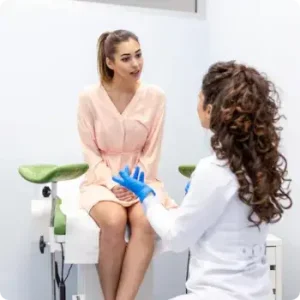
Vaginal dryness is a common condition that can affect women at any stage of life. It may cause itching burning irritation and pain during intimacy. These symptoms can also make everyday activities uncomfortable and reduce your quality of life. Trusta Medical Center offers personalized vaginal dryness treatment in Dubai using advanced non-surgical solutions. Our FDA-approved gynecologist will identify the cause of your symptoms and recommend the most suitable treatment to restore comfort and improve vaginal health.
How Common Is Vaginal Dryness?
Vaginal dryness can affect women before during and after menopause. It is also common after childbirth while breastfeeding or due to hormonal changes certain medications or medical conditions. Although many women experience this problem they often delay seeking treatment because they feel embarrassed. With the right care vaginal dryness can be treated safely and effectively allowing you to regain comfort and confidence.

What Is Vaginal Dryness?
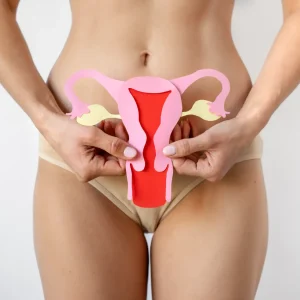
Vaginal dryness happens when the vaginal tissue does not produce enough natural moisture. As the tissue becomes drier and thinner it can cause discomfort irritation and a burning sensation. Many women also experience pain during intimacy or notice discomfort while sitting walking exercising or passing urine.
Without proper treatment vaginal dryness may increase the risk of urinary tract infections and yeast infections. Early diagnosis and personalized treatment can restore moisture improve vaginal health and help you feel comfortable again.

Vaginal Dryness Causes
The most common reason for vaginal dryness is a decline in oestrogen, which naturally keeps the vaginal lining moisturized and elastic. This decline can happen due to:
- Menopause and perimenopause
- Breastfeeding
- Hormonal birth control, including the pill
- Cancer treatments such as chemotherapy or hormone therapy
- Certain antidepressants
- Surgical removal of the ovaries
- Smoking
Other causes and contributing factors that are not directly hormonal include:
- Diabetes
- Autoimmune conditions such as Sjögren’s syndrome or lupus
- Lichen planus affecting the vulva or vagina
- Alcohol consumption
- Stress
- Lack of arousal before or during sex
- Scented soaps, sprays, or washes used in or around the vagina
Vaginal Dryness, Itching, and Burning During Sex
Many women with vaginal dryness also experience itching burning irritation and soreness around the vaginal area. The tissue can become thin and fragile which may cause mild bleeding after intimacy. Pain or burning during sex is one of the most common symptoms. With the right treatment including vaginal moisturizers lubricants or advanced medical therapies these symptoms can be relieved and vaginal comfort can be restored.
Natural Remedies for Vaginal Dryness
Alongside or before trying medical treatment, several natural approaches may help ease mild symptoms:
- Coconut oil: often used as a natural vaginal moisturizer, though it should not be used with latex condoms
- Aloe vera gel: has soothing, hydrating properties; some research suggests it may be comparably effective to oestrogen cream for postmenopausal women
- Vitamin E oil: may help improve tissue elasticity and moisture retention when applied topically
- Phytoestrogen-rich foods: soy, flaxseed, chickpeas, lentils, and sesame seeds contain plant compounds with a mild oestrogen-like effect
- Staying well hydrated and maintaining a diet rich in omega-3 fatty acids
- Regular sexual activity or arousal, which increases blood flow to vaginal tissue and supports natural lubrication
- Avoiding smoking and limiting alcohol
Natural remedies can meaningfully ease mild symptoms, but they work best alongside professional guidance rather than as a substitute for it, particularly if dryness is persistent, severe, or linked to menopause.
Lubricants and Moisturizers for Vaginal Dryness
It helps to understand the difference between these two categories, since they solve different problems:
- Vaginal moisturizers are used regularly, every few days, to keep vaginal tissue hydrated day to day, independent of sexual activity
- Vaginal lubricants are used just before sex to reduce friction and discomfort in the moment
How to Choose and Use a Lubricant
Water-based lubricants are generally the safest first choice and are compatible with condoms. Silicone-based lubricants last longer and are also condom-safe, but should not be used with silicone toys. Oil-based lubricants, including many natural oils, feel long-lasting but can degrade latex condoms and diaphragms, so they are best avoided if you rely on these for contraception. Apply lubricant generously in and around the vagina, and on a partner or toy as needed, reapplying as necessary during sex. Avoid products not specifically designed for vaginal use, such as regular body lotion, which can disrupt the vagina’s natural pH and increase infection risk.
Medical Treatment Options at Trusta Medical Center
Vaginal Oestrogen
For dryness linked to menopause or declining oestrogen, low-dose vaginal oestrogen in the form of a cream, tablet, or ring can help restore moisture and elasticity directly at the source. This is prescribed and monitored by our specialist.
Non-Hormonal Prescription Options
For patients who prefer or require a non-oestrogen approach, oral and vaginal non-hormonal medications exist that can ease painful sex associated with vaginal dryness. Our specialist can discuss whether these are appropriate for your history and goals.
Laser and Radiofrequency Therapy
Laser treatments that stimulate collagen production in vaginal tissue, similar in principle to the Endolift technology used elsewhere at Trusta Medical Center, can help restore natural moisture and elasticity for some patients. This is often considered alongside our vaginal tightening treatment, since both draw on the same underlying collagen-stimulating technology.
When to See a Specialist
- Dryness is affecting your daily comfort or sex life
- Over-the-counter moisturizers and lubricants have not helped after a few weeks
- You notice bleeding, unusual discharge, or recurring infections alongside dryness
- You are unsure which treatment is right for your specific cause
Book Your Consultation
Vaginal dryness is common, treatable, and nothing to feel embarrassed about. Trusta Medical Center offers a discreet, professional environment to discuss your symptoms and find the right vaginal dryness treatment with our FDA-approved gynecologist.
our expert answers
Frequently Asked Questions
What is the main cause of vaginal dryness?
The most common cause is a decline in oestrogen, most often linked to menopause, though breastfeeding, certain medications, and other health conditions can also be responsible.
Is there an ICD-10 code for vaginal dryness?
Vaginal dryness is most often coded under atrophic vaginitis (N95.2) when linked to menopause. Our specialist will confirm the appropriate diagnosis and coding as part of your assessment.
Can natural remedies alone fix vaginal dryness?
They can meaningfully ease mild symptoms for some women, but persistent or severe dryness, especially linked to menopause, usually responds better to a combination of natural approaches and medical treatment.
Is it safe to use lubricant every time I have sex?
Yes. Water-based and silicone-based lubricants are generally safe for regular use. If you experience ongoing dryness rather than just occasional friction, it is worth discussing longer-term treatment options with our specialist.
Can vaginal dryness be cured completely?
It depends on the cause. Dryness linked to a temporary situation, such as breastfeeding, often improves on its own, while dryness linked to menopause is usually managed on an ongoing basis with moisturizers, lubricants, or prescription therapy rather than cured outright.


Trustindex verifies that the original source of the review is Google. I had a great experience at Trusta Medical Centre. I got done Laser skin tightning endolift for face. Got amazing results. Thanks to Dr Sima for amazing care and treatment. 😍Posted on GoogleTrustindex verifies that the original source of the review is Google. I completed my 5 prp sessions for hair. Thank you dr. Sima for your efforts. Results are amazing. Upto 90% hair fall reduced.Posted on GoogleTrustindex verifies that the original source of the review is Google. I had 3 areas Botox in this place it was amazing result The clinic is very clean and they are so professional High recommendingPosted on GoogleTrustindex verifies that the original source of the review is Google. The quality of work and the doctor's behavior and location were excellent. It was one of the best clinics.Posted on GoogleTrustindex verifies that the original source of the review is Google. Good clinic for hair transplantPosted on GoogleTrustindex verifies that the original source of the review is Google. One of the best aesthetic medical clinic in dubai. Staff is very friendly and professional. All staff is well educated and highly experienced. Happy to come again.