
Labor Monitoring and Pain Management During Childbirth
Labor Monitoring is essential for ensuring the safety and wellbeing of both mother and baby throughout childbirth. Trusta Medical Center offers comprehensive labor monitoring services that enable our experienced obstetricians to closely assess every stage of labor, from the first contraction until delivery. Continuous monitoring helps identify any changes in the mother’s condition or the baby’s wellbeing, allowing timely medical decisions that support a safe and positive birth experience.
Our maternity team carefully monitors several important aspects of labor, including:
- Baby’s heart rate to ensure healthy oxygen levels and overall wellbeing.
- Contractions to evaluate their strength, frequency, and effectiveness.
- Cervical dilation and labor progress to confirm labor is advancing normally.
- Mother’s vital signs, including blood pressure, pulse, and temperature.
- Baby’s position and descent through the birth canal during delivery.
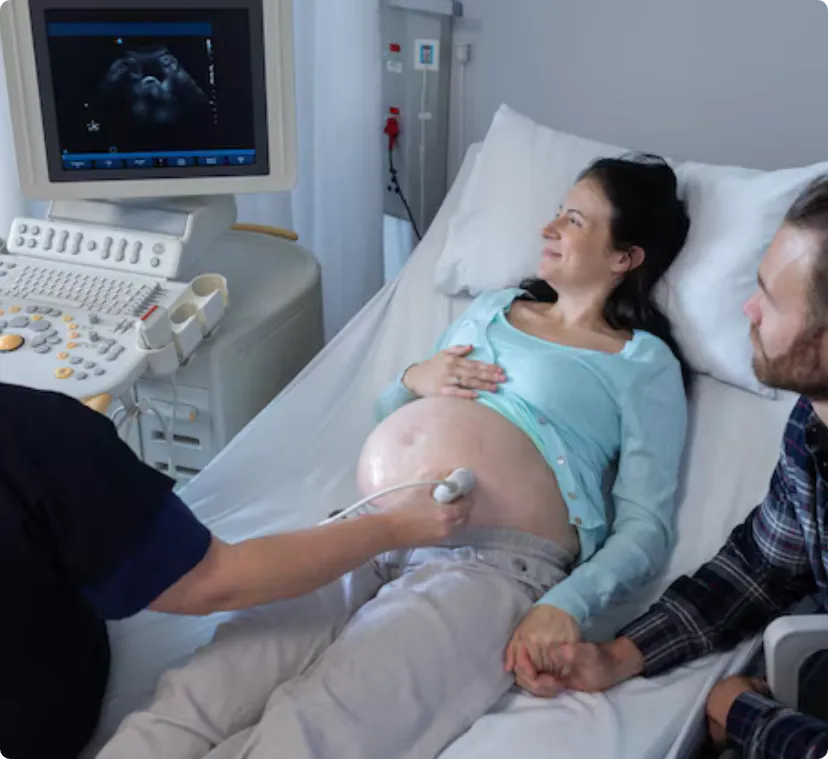
Labor Monitoring: Protecting Mother and Baby Throughout Birth
Labor monitoring is the ongoing process of assessing how labor is progressing and how well both mother and baby are coping with each stage. Rather than being a single examination, it involves regular checks from the beginning of labor until the baby is delivered.
Our experienced obstetric team carefully monitors the progress of labor to ensure everything is developing as expected. If any concerns arise, they can respond promptly, helping reduce the risk of complications while supporting a normal delivery in dubai vaginal delivery whenever possible.
What Is Monitored During Labor?
During labor, the care team routinely assesses:
- Cervical dilation and effacement to measure labor progress.
- Baby’s heart rate to ensure adequate oxygen supply and overall wellbeing.
- Strength, frequency, and duration of contractions to evaluate labor effectiveness.
- Mother’s blood pressure, pulse, temperature, and overall condition throughout labor.
- Baby’s position and descent through the birth canal.
Monitoring may be performed at regular intervals during a low-risk pregnancy or more frequently if additional observation is needed.
Why Frequent Monitoring Matters
Every labor progresses differently. If labor slows down, contractions become less effective, or changes appear in the baby’s heart rate, the healthcare team can increase monitoring and make timely decisions. Early identification of potential concerns allows appropriate interventions while maintaining the safety of both mother and baby.

Pain Management During Labor: Choosing What Works Best for You
Labor pain is a natural part of childbirth, but every woman experiences it differently. There is no single right way to manage labor pain. Some mothers prefer natural coping techniques, while others choose medical pain relief. Your birth plan can remain flexible, allowing you to make decisions based on how labor progresses.
Natural Pain Management Techniques
Many women successfully manage labor discomfort using non-medical approaches, including:
- Controlled breathing and relaxation exercises.
- Walking, changing positions, and using a birthing ball.
- Continuous support from a partner or healthcare professional.
- Massage and gentle back pressure during contractions.
- Warm compresses or warm showers to ease muscle tension.
These techniques can help reduce anxiety, improve comfort, and promote a more positive labor experience.
Medical Pain Relief Options During Labor
Every woman’s experience of labor is different, and so are her pain relief needs. While many mothers begin labor using natural comfort techniques, others may prefer or require medical pain relief as contractions become stronger. Trusta Medical Center offers a range of safe and effective pain management options that are tailored to your individual health, labor progress, and birth preferences.
Our experienced obstetricians and anesthesiologists work together to recommend the most appropriate pain relief method while ensuring the safety and wellbeing of both mother and baby. Before administering any medication, they explain the benefits, possible risks, and what you can expect during labor so you can make an informed decision.
Medical Pain Relief Options May Include:
- Epidural Anesthesia: The most common and effective form of labor pain relief, providing continuous pain control while allowing you to remain awake and actively participate in your baby’s birth.
- Nitrous Oxide (Laughing Gas): A fast-acting inhaled gas that helps reduce pain and anxiety during contractions while allowing you to stay alert.
- Intravenous (IV) Pain Medications: Pain-relieving medications administered through a vein to help make contractions more manageable, particularly during the early stages of labor.
- Local Anesthesia: Used to numb a specific area if minor procedures, such as an episiotomy or repair of a tear after delivery, become necessary.
- Combined Pain Management: In some situations, your healthcare team may recommend combining medical and non-medical techniques to maximize comfort throughout labor.
Benefits of Medical Pain Relief
Choosing medical pain management can provide several advantages, including:
- Significant reduction in labor pain and discomfort.
- Greater comfort during long or challenging labors.
- Reduced physical stress and fatigue, helping conserve energy for delivery.
- Increased relaxation, which may help some mothers cope more effectively with contractions.
- The ability to remain awake, alert, and actively involved in the birth experience.
Personalized Care Throughout Every Stage of Labor
Every pregnancy is unique, and your labor experience should be supported with care that reflects your individual needs and preferences. Trusta Medical Center provides personalized maternity care that combines comprehensive labor monitoring with individualized pain management to promote a safe, comfortable, and positive birth experience.
Individualized Birth Plans
Our experienced obstetricians work closely with you throughout pregnancy to understand your birth preferences, medical history, and any special requirements. Your care plan is designed to remain flexible, allowing adjustments as labor progresses while always prioritizing the safety of you and your baby.
Continuous Support During Labor
Throughout labor, our maternity team closely monitors your progress, baby’s wellbeing, and overall comfort. Regular assessments help ensure labor is progressing safely while allowing prompt medical attention if additional support becomes necessary.
Personalized Pain Management
Every woman experiences labor differently, so pain management is tailored to your individual needs. Whether you choose natural comfort techniques, medical pain relief, or a combination of both, our experienced obstetricians and anesthesiologists provide guidance to help you make informed decisions throughout labor.
Compassionate Care for Mother and Baby
From your first contraction until your baby is safely in your arms, our experienced healthcare professionals remain by your side. By combining expert medical care with compassionate support, Trusta Medical Center offers a reassuring environment where the health, comfort, and wellbeing of both mother and baby remain the highest priority.
Why Choose Trusta Medical Center for Labor Monitoring and Pain Management?
Choosing the right maternity team can make a significant difference to your childbirth experience. Trusta Medical Center provides compassionate, evidence-based maternity care focused on the health, comfort, and safety of both mother and baby.
Our maternity services include:
- Experienced obstetricians and gynecologists dedicated to personalized maternity care.
- Comprehensive labor monitoring using modern fetal and maternal monitoring technology.
- Individualized pain management plans tailored to your preferences and medical needs.
- Safe, family-centered birthing environment with continuous support throughout labor.
- Rapid access to emergency obstetric care whenever required.
- Collaborative care provided by our experienced surgeons, obstetricians, anesthesiologists, midwives, and neonatal specialists.
- High standards of maternal and newborn safety following internationally recognized clinical guidelines.
- Ongoing support before, during, and after delivery to help you enjoy a confident childbirth experience.
Whether you are planning your first baby or adding to your growing family, our experienced team is committed to making your labor and delivery as safe, comfortable, and positive as possible.
Book a Consultation
Preparing for childbirth begins with expert guidance and personalized maternity care. Trusta Medical Center offers comprehensive antenatal consultations where our experienced obstetricians discuss your pregnancy, explain labor monitoring, review pain management options, and help you create a birth plan that reflects your individual preferences.
Schedule your consultation today to learn more about your delivery options and receive compassionate, expert care throughout every stage of your pregnancy and childbirth journey.
our expert answers
Frequently Asked Questions
Is labor monitoring necessary for every delivery?
Yes. Every labor requires monitoring to ensure both mother and baby remain healthy. The type and frequency of monitoring depend on whether the pregnancy is considered low-risk or high-risk.
How often will my baby be monitored during labor?
In a normal, low-risk labor, your baby's heart rate is checked at regular intervals. If there are any concerns or risk factors, continuous fetal monitoring may be recommended for closer observation.
Can I move around while being monitored?
In many cases, yes. Depending on the type of fetal monitoring being used and your medical condition, you may still be able to walk, change positions, or use a birthing ball during labor.
What pain relief options are available during labor?
Pain management options include breathing techniques, movement, massage, warm compresses, nitrous oxide, and epidural anesthesia.
Can I change my mind about pain relief during labor?
Absolutely. Your birth plan is flexible. If you initially choose natural pain management but later decide you would like medical pain relief, our maternity team will discuss the available options with you.

 Posted on Google
 amitisful
Trustindex verifies that the original source of the review is Google.
Amazing experience! The staff were wonderful and I’m very happy with the results. I’ll definitely come backThis is truly a state-of-the-art beauty clinic. The facilities, technology, and range of services available here are exceptional, and you won’t easily find the same level of comprehensive care in other clinics. As a physician, I highly recommend visiting this clinic. It is truly in a class of its own when it comes to aesthetic medicine, offering a complete range of beauty and aesthetic services, from surgical to non-surgical treatments, all under one roof..❤️❤️❤️Posted on Google Helmi Emadما شاء الله موقع ممتاز عيادة نظيفة تحسهم من المستقبل أما الاستقبال مررررة أدب تستأنث وياهم الصراحة ما تحس نفسك في عيادة من شدة إهتمام الدكاترة وباقي التيم كله متوفر عندهم مواقف سيارات مجانية ومصعد لذوي الاحتياجات الخاصة أشكر أصدقائي على التوصية بي عيادة ترستا واتمنى لكم التوفيق والنجاحPosted on Google
 Sahar GeramiPosted on Google
 Donna AskariAmazing clinicPosted on Google
 Farnaz Saeedi⭐⭐⭐⭐⭐ I had a great experience at Trusta Clinic. The staff were very professional, friendly, and welcoming. The clinic is clean, modern, and well-organized, and I really appreciated the attention to detail and the quality of service. Highly recommended! I’ll definitely be coming back. ❤️Posted on Google
 Layth SalhabAbsolutely amazing experience at Trusta Medical Center! ⭐️⭐️⭐️⭐️⭐️ The clinic is beautiful, modern, and very clean. The team is professional, welcoming, and genuinely attentive from the moment you arrive. You can really feel the high standard of care and attention to detail. Highly recommended for anyone looking for quality medical and aesthetic services in Dubai. 👌🏻✨Posted on Google
 sahra rezvanpanah⭐⭐⭐⭐⭐ I had a wonderful experience at Trusta Clinic, from the initial consultation all the way through my cosmetic procedure. Everyone, from the staff to the doctors, was incredibly supportive, caring, and attentive throughout the entire process. I truly felt that I was surrounded by people who genuinely cared about me, almost as if I were among friends. I’m very happy with my experience and would definitely recommend Trusta Clinic to anyone considering a cosmetic procedure.Posted on Google
 Mohammed AbdalraheemA lovely experience at Trusta Medical Center. The staff are kind, welcoming, and very professional, and the clinic has a clean and comfortable atmosphere. I truly appreciated the attention to detail, the respectful way everything was explained, and the high standard of care. The doctors are carefully selected and clearly experienced in their fields. A very pleasant and trustworthy medical center that I would happily recommend to others.Posted on Google
 Isis Aamn💖💖🌹 I had a very pleasant experience at Trusta Medical Center. The clinic is clean, elegant, and well organized, and the staff were welcoming and professional from the moment I arrived. I was especially impressed with the aesthetic medicine services. The doctors are highly professional, attentive, and take time to explain everything clearly. The prices are also reasonable and transparent. A very comfortable and trustworthy medical center. Highly recommended!🌹💖Posted on Google
 Ayden⭐⭐⭐⭐⭐ I had a wonderful experience at Trusta Medical Center. From the moment I arrived, the reception team was welcoming, professional, and very well organized. The entire clinic has a clean, elegant, and comfortable atmosphere, which immediately gives you a sense of confidence and trust. I was particularly impressed by their Aesthetic Medicine Department. The team takes the time to understand each patient’s concerns and expectations, and everything is explained clearly before making any decision. Their approach feels professional and patient-centered rather than commercial. The clinic also seems very selective in choosing its doctors. The medical team is experienced, knowledgeable, and genuinely focused on achieving natural and appropriate results while maintaining high standards of safety. Another positive point was the transparency regarding prices and treatment options. Everything was explained clearly, with no unnecessary pressure to undergo additional procedures. Overall, Trusta Medical Center is an excellent polyclinic that combines professional medical care, hospitality, cleanliness, fair pricing, and highly qualified doctors under one roof. I would confidently recommend it to anyone looking for a reliable medical center in Dubai, especially for aesthetic medicine. A truly five-star experience. Highly recommended. ❤️Verified by TrustindexTrustindex verified badge is the Universal Symbol of Trust. Only the greatest companies can get the verified badge who has a review score above 4.5, based on customer reviews over the past 12 months. Read more