
Normal Delivery with Personalized Maternity Care in Dubai
Normal delivery is the most common and safest way to give birth for many healthy pregnancies. Trusta Medical Center provides expert normal delivery in Dubai with comprehensive pregnancy, labor, and childbirth care to help mothers have a safe and positive birth experience. Our experienced obstetricians and gynecologists support you from your first prenatal check-up through labor, delivery, and postnatal recovery.
What Is Normal Delivery?
Normal delivery also called vaginal birth, is when a baby is born through the vagina without surgery. It is usually the safest option for women with a healthy pregnancy and no major complications. Most mothers recover more quickly after a normal delivery and can begin bonding with and breastfeeding their baby soon after birth.

The Three Stages of Labor
Clinically normal delivery in Dubai unfolds across three distinct stages: labor and cervical dilation, delivery of the baby, and delivery of the placenta. Understanding these stages in advance is one of the most effective ways to reduce anxiety heading into labor.
- Stage One: contractions begin and gradually intensify as the cervix softens, effaces, and dilates. This is usually the longest stage, particularly in a first pregnancy.
- Stage Two: once the cervix is fully dilated, active pushing begins and continues until the baby is born.
- Stage Three: the placenta is delivered, typically within thirty minutes of birth, often assisted with gentle guidance from the care team.
During active labor, our care team monitors cervical dilation and fetal heart rate at regular intervals, adjusting the frequency if either the mother or baby shows any sign that needs closer attention. Ongoing labor monitoring is what allows a normal delivery in Dubai to stay safe from the first contraction through to birth.
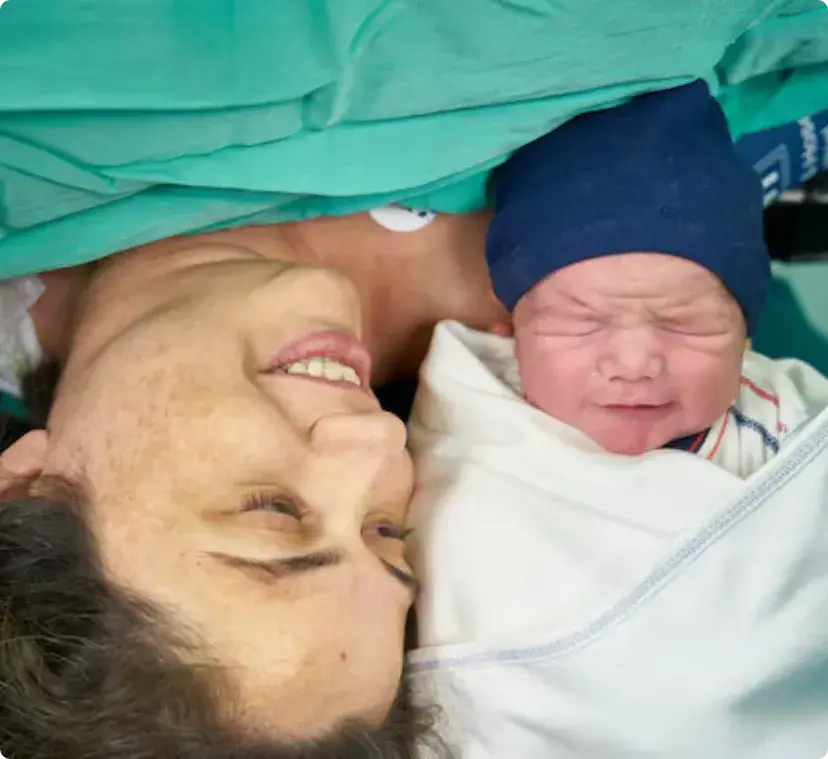
Birth Planning: Putting Your Preferences in Writing
A birth plan is a written guide that explains your preferences for labor and delivery. It is created together with your gynecologist so your care team understands what is most important to you before labor begins. A birth plan is flexible because every labor is different. If unexpected changes happen your doctor will always make decisions based on the safety of both you and your baby.
What a Birth Plan Typically Covers
- Who the mother wants present in the room during labor and delivery.
- Preferences for movement, positioning, and comfort measures during labor.
- Pain relief preferences, from natural techniques through to medical options such as an epidural.
- Preferences immediately after birth, including skin-to-skin contact and when breastfeeding should begin.
- Any specific concerns tied to a previous delivery, including a prior cesarean section.
Labor Monitoring: Keeping Mother and Baby Safe Through Labor
Labor monitoring is the ongoing clinical process of tracking how a mother and her baby are coping with labor as it progresses. It is what allows a normal delivery in Dubai to remain safe from the first contraction through to birth, rather than something checked once and left alone.
What Is Monitored
- Cervical dilation, typically checked at intervals to confirm labor is progressing as expected.
- Fetal heart rate, either intermittently or continuously depending on the pregnancy’s risk profile.
- Frequency, strength, and duration of contractions.
- Maternal blood pressure, temperature, and overall wellbeing throughout labor.
Epidural Delivery Support: What to Expect
An epidural is the most common form of medical pain relief used during labor. It involves an injection of numbing medicine into the lower back that blocks sensation in the lower body, allowing a mother to remain alert and awake through delivery while significantly reducing the pain of contractions.
How the Procedure Works
- The lower back is cleaned and may be numbed with a local anesthetic before the epidural needle is placed.
- Medicine is injected into the epidural space just outside the sac of fluid around the spinal cord.
- Pain relief typically begins within ten to twenty minutes and can be maintained for the remainder of labor.
- An anesthesiologist or a trained nurse anesthetist administers and monitors the epidural throughout labor.
Water Birth Consultation: Is Water Immersion Right for You?
Some mothers explore warm water immersion as a comfort measure during labor. A water birth consultation reviews whether this approach suits the individual pregnancy and explains clearly what the experience involves, since not every pregnancy is a suitable candidate and the evidence differs depending on which stage of labor is involved.
What a Water Birth Consultation Covers
- Reviewing whether the pregnancy meets the general criteria for water immersion, including gestational age and absence of complications.
- Explaining what immersion during early labor typically involves, including timing and duration.
- Discussing the current clinical evidence honestly, including the more limited data specifically on delivering in water rather than laboring in it.
- Reviewing alternative comfort measures for mothers who are not suitable candidates for water immersion.
Newborn Initial Care: The First Hours of Life
Immediate Assessment After Birth is a vital part of Newborn Initial Care, ensuring your baby receives prompt evaluation and support from the very first moments.
- Immediate health assessment to check breathing heart rate muscle tone skin color and reflexes.
- Skin-to-skin contact with the mother as soon as possible to help keep the baby warm support bonding and encourage early breastfeeding.
- Umbilical cord clamping performed according to your birth plan and your baby’s medical needs.
- A complete newborn examination to measure weight length and head circumference and check overall health.
- Temperature monitoring to help keep your baby warm and comfortable after birth.
- Early breastfeeding support with guidance from our care team to help your baby feed successfully.
- Routine newborn medications and screening tests when recommended to protect your baby’s health and identify any concerns early.
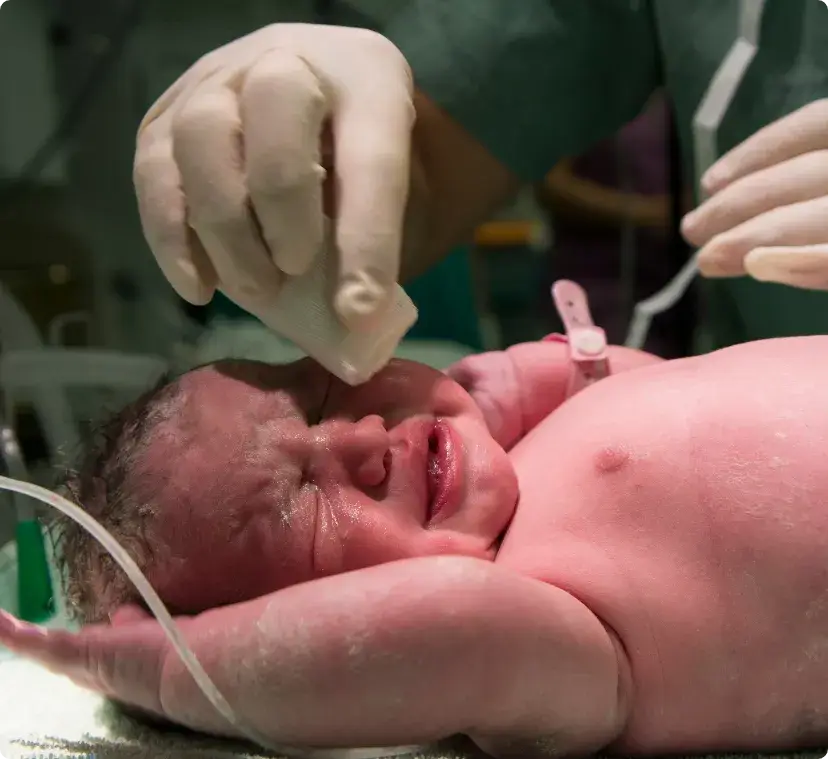
Pain Management Options During Labor
Labor pain is a natural part of childbirth but there are many ways to help make it more manageable. During your pregnancy our obstetricians discuss the available pain relief options and help you choose the approach that best suits your needs and birth plan.
Pain relief options may include:
- Breathing and relaxation techniques
- Changing positions during labor
- Continuous support from your care team or birth partner
- Epidural anesthesia for stronger pain relief while you remain awake during delivery
- Warm water therapy for suitable low-risk pregnancies after medical assessment
Breastfeeding Support: Help in the First Days and Beyond
Breastfeeding support helps new mothers establish latching technique and feeding rhythm in the first days after birth, when many of the most common early difficulties are also the easiest to resolve with the right guidance. It is normal for breastfeeding to take practice for both mother and baby and support in this early window can make a lasting difference.
According to the CDC, breastfeeding has health benefits for both babies and mothers, and current guidance recommends exclusive breastfeeding for about the first six months, followed by continued breastfeeding alongside complementary foods until at least two years of age, or as long as mother and baby wish to continue.
Common Early Challenges
- Getting a comfortable, effective latch in the first few attempts.
- Establishing a feeding rhythm as milk supply adjusts in the days after birth.
- Managing soreness or engorgement, which is common and usually resolves with the right positioning and support.
- Knowing when a baby is feeding well versus when additional support is needed.
Why Expectant Mothers Choose Trusta Medical Center
- Our gynecology and obstetric care team that treats antenatal, delivery, and postpartum care as one continuous relationship rather than separate appointments.
- Every treatment plan begins with a real consultation and a full medical history review, not a standard package applied to every patient.
- DHA-licensed care delivered under the regulatory standards set by the Dubai Health Authority.
- Clear, judgment-free communication so mothers can ask questions and express preferences at every stage of the journey.
our expert answers
Frequently Asked Questions
Is normal delivery safer than a C-section?
Yes, for most healthy pregnancies. It usually offers a quicker recovery, a shorter hospital stay, and fewer surgical risks.
How long does normal delivery take?
Normal delivery in Dubai varies for every woman. Labor can last a few hours or longer, especially with a first baby.
Can I have a normal delivery in Dubai after a previous C-section?
Yes, if you are a suitable candidate. Your doctor will assess whether a VBAC is safe for you.
What pain relief is available during labor?
Several options are available. These include breathing techniques, movement, warm water therapy, and epidural anesthesia.
When should I book my first pregnancy appointment?
As early as possible. Early prenatal care helps monitor your pregnancy and plan for a safe delivery.

 Posted on Google
 amitisful
Trustindex verifies that the original source of the review is Google.
Amazing experience! The staff were wonderful and I’m very happy with the results. I’ll definitely come backThis is truly a state-of-the-art beauty clinic. The facilities, technology, and range of services available here are exceptional, and you won’t easily find the same level of comprehensive care in other clinics. As a physician, I highly recommend visiting this clinic. It is truly in a class of its own when it comes to aesthetic medicine, offering a complete range of beauty and aesthetic services, from surgical to non-surgical treatments, all under one roof..❤️❤️❤️Posted on Google Helmi Emadما شاء الله موقع ممتاز عيادة نظيفة تحسهم من المستقبل أما الاستقبال مررررة أدب تستأنث وياهم الصراحة ما تحس نفسك في عيادة من شدة إهتمام الدكاترة وباقي التيم كله متوفر عندهم مواقف سيارات مجانية ومصعد لذوي الاحتياجات الخاصة أشكر أصدقائي على التوصية بي عيادة ترستا واتمنى لكم التوفيق والنجاحPosted on Google
 Sahar GeramiPosted on Google
 Donna AskariAmazing clinicPosted on Google
 Farnaz Saeedi⭐⭐⭐⭐⭐ I had a great experience at Trusta Clinic. The staff were very professional, friendly, and welcoming. The clinic is clean, modern, and well-organized, and I really appreciated the attention to detail and the quality of service. Highly recommended! I’ll definitely be coming back. ❤️Posted on Google
 Layth SalhabAbsolutely amazing experience at Trusta Medical Center! ⭐️⭐️⭐️⭐️⭐️ The clinic is beautiful, modern, and very clean. The team is professional, welcoming, and genuinely attentive from the moment you arrive. You can really feel the high standard of care and attention to detail. Highly recommended for anyone looking for quality medical and aesthetic services in Dubai. 👌🏻✨Posted on Google
 sahra rezvanpanah⭐⭐⭐⭐⭐ I had a wonderful experience at Trusta Clinic, from the initial consultation all the way through my cosmetic procedure. Everyone, from the staff to the doctors, was incredibly supportive, caring, and attentive throughout the entire process. I truly felt that I was surrounded by people who genuinely cared about me, almost as if I were among friends. I’m very happy with my experience and would definitely recommend Trusta Clinic to anyone considering a cosmetic procedure.Posted on Google
 Mohammed AbdalraheemA lovely experience at Trusta Medical Center. The staff are kind, welcoming, and very professional, and the clinic has a clean and comfortable atmosphere. I truly appreciated the attention to detail, the respectful way everything was explained, and the high standard of care. The doctors are carefully selected and clearly experienced in their fields. A very pleasant and trustworthy medical center that I would happily recommend to others.Posted on Google
 Isis Aamn💖💖🌹 I had a very pleasant experience at Trusta Medical Center. The clinic is clean, elegant, and well organized, and the staff were welcoming and professional from the moment I arrived. I was especially impressed with the aesthetic medicine services. The doctors are highly professional, attentive, and take time to explain everything clearly. The prices are also reasonable and transparent. A very comfortable and trustworthy medical center. Highly recommended!🌹💖Posted on Google
 Ayden⭐⭐⭐⭐⭐ I had a wonderful experience at Trusta Medical Center. From the moment I arrived, the reception team was welcoming, professional, and very well organized. The entire clinic has a clean, elegant, and comfortable atmosphere, which immediately gives you a sense of confidence and trust. I was particularly impressed by their Aesthetic Medicine Department. The team takes the time to understand each patient’s concerns and expectations, and everything is explained clearly before making any decision. Their approach feels professional and patient-centered rather than commercial. The clinic also seems very selective in choosing its doctors. The medical team is experienced, knowledgeable, and genuinely focused on achieving natural and appropriate results while maintaining high standards of safety. Another positive point was the transparency regarding prices and treatment options. Everything was explained clearly, with no unnecessary pressure to undergo additional procedures. Overall, Trusta Medical Center is an excellent polyclinic that combines professional medical care, hospitality, cleanliness, fair pricing, and highly qualified doctors under one roof. I would confidently recommend it to anyone looking for a reliable medical center in Dubai, especially for aesthetic medicine. A truly five-star experience. Highly recommended. ❤️Verified by TrustindexTrustindex verified badge is the Universal Symbol of Trust. Only the greatest companies can get the verified badge who has a review score above 4.5, based on customer reviews over the past 12 months. Read more