
October 24, 2026
Facial sagging, loose skin, and lack of jawline definition are common signs of aging. A correct choice of facial anti-aging treatment procedures can be made using the information about their capability of resolving the mentioned problems. In deciding between the thread lift and facelift treatments, the important factor to consider is the lifting power of the particular treatment procedure. The thread lift procedure entails the insertion of medical-grade threads underneath the skin, followed by the lifting of the specific facial parts. The facelift procedure entails the adjustment of deep skin layers and removal of unnecessary skin parts.
Both procedures will help to restore the facial appearance but are effective under certain circumstances.
What Is a Thread Lift?
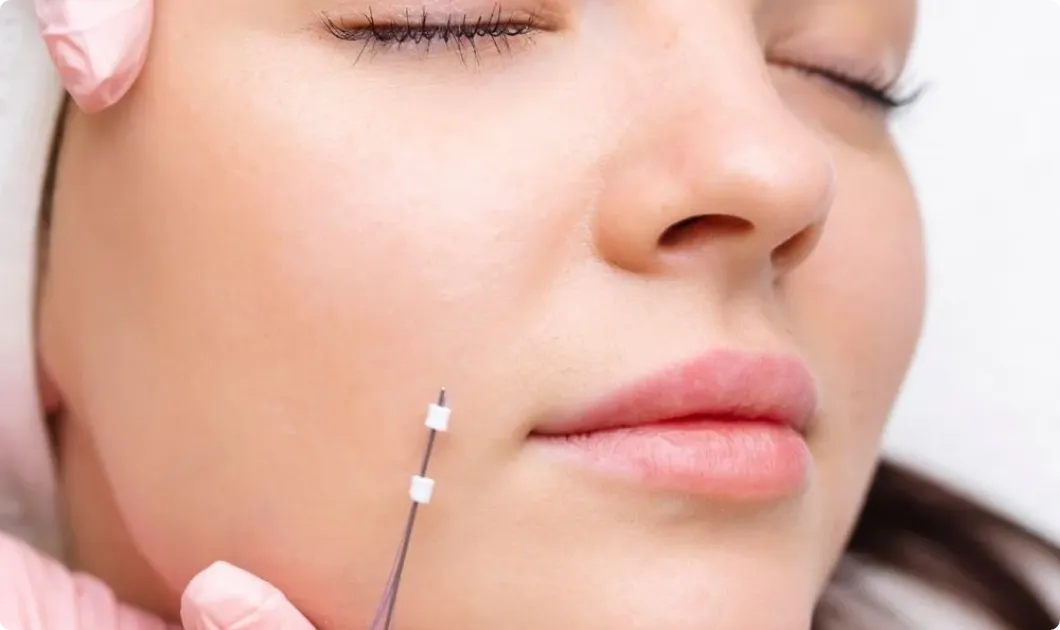
Thread lift is an invasive cosmetic surgery that utilizes special threads to lift and position the targeted facial tissues. These threads are inserted under the skin in small puncture areas for the purpose of achieving an uplifting effect.
Some absorbable threads, on the other hand, trigger an inflammatory reaction that results in collagen formation. Collagen forms a structural foundation for the skin but the degree of its presence depends on the individual.
Benefits of a Thread Lift
A thread lift offers several advantages for suitable candidates:
Non-invasive treatment: This method is not associated with making large incisions as in case of traditional facelifts.
- Shorter recovery time: Most patients need less time for recovery as compared to traditional facelifts.
- Tightening of soft tissues: It helps to tighten the selected parts including cheek area and jaw line in case of mild drooping.
- Formation of collagen: Some threads cause response that results in formation of collagen.
- Disruption of normal life routine: Patients can continue their daily routine after some time.
Limitations of a Thread Lift
Unlike facelift surgery, it fails to eliminate extra skin, and its effects are temporary in nature. The results of thread lift surgery depend upon the facial structure, type of thread, and technique used.
Among the several risks involved in thread lift surgery are swelling, bruising, dimpling, infection, irregularity, and protruding threads. It is not recommended for patients with loose skin.

What Is a Surgical Facelift?
Surgical facelift, otherwise referred to as rhytidectomy, is an aesthetic procedure involving the correction of visual symptoms of facial aging through the repositioning of the deeper layers of skin.
The process targets the cheeks, lower face and jaw line. Based on the approach used, it also helps correct loose skin in the neck area.For more information about surgical facelift procedures, benefits, and recovery, visit the American Society of Plastic Surgeons’ facelift guide
Benefits of Surgery Facelift
1. Significant lifting effect: It helps to tackle the problem of sagging of the tissues.
2. Jawline improvement: The repositioning and removal of excess skin assists to reshape the jawline.
3. Correction of excess skin: It is more effective compared to thread lifts as it helps correct excess skin.
4. Long-lasting effects: Effects of the surgery usually last for several years.
Limitations of a Surgical Facelift
Facelift are surgical procedures with their own risks, including the possibility of blood loss, infections, scar formation, delayed healing of wounds and numbness of the skin. Another complication that may occur is damage to the facial nerves.
An appropriate evaluation will determine whether the pros outweigh the cons.
Thread Lift vs Facelift: Key Differences
Understanding the main differences helps determine which procedure better matches your treatment goals.
Method of Treatment
In a thread lift, threads are inserted under the skin to lift certain tissues, whereas in a surgical facelift, there are cuts as well as deeper manipulation of the tissue, along with the excision of excess skin if required.
Severity of Sagging
A thread lift is appropriate in case of mild sagging as well as some cases of early sagging. However, facelift surgery would be a better choice for more sagging in the form of jowls, skin laxity etc.
Duration of Recovery
The recovery period for a thread lift is faster. It can however lead to bruising, swelling, and soreness.
Results and Durability
Thread lift provides only temporary results that usually last a few months or up to one or two years, depending upon the method used. Facelift results last for several years, and some even last up to five to ten years or more.
Cost
Thread lift is a much cheaper procedure at the initial stage. There are some other expenses for performing the procedure of facelift surgery, such as the fee for the surgeon’s services, anesthesia fee, the facility fee, and the cost of after care. Thread lifts will need to be done again in the future, impacting the cost.
It will all depend on the extent of improvements required.
Thread lift vs facelift: Which Is Better?
The choice of non surgical vs surgical facelift depends on the age of the face.
Non-Surgical Facial Rejuvenation
Non-surgical and minimally invasive procedures deal with selected ageing features without performing a facelift procedure. There are such procedures as follows:
- Thread lifts: Provide minor lifting effect by means of supporting selected facial tissues.
- Skin-tightening procedures: Are intended to provide improved skin elasticity.
- Dermal fillers: Help restore selected areas which have lost volume.
Each of these procedures is performed for different goals. Dermal fillers do not reduce excess skin while skin tightening techniques do not recreate structural changes provided by the facelift surgery. The thread lift technique should be considered in terms of its non-invasiveness as well since threads are placed under the skin.
When Is Facelift Surgery More Suitable?
Surgical facelifts are usually recommended to individuals who have large jowls and skin laxity issues.
It is however not everyone who needs a surgical procedure. A professional will always examine the patient’s face to determine the right technique that should be used.Both treatments are available on Trusta Medical Centre.
Thread Lift vs Facelift: How to Choose
When deciding between a thread lift or facelift, consider these four factors.
1. Issues With Your Skin
Slight sagging of the skin in your cheek or jawline area is enough to show that a thread lift evaluation can be carried out. If there is more sagging and formation of jowls, then the full evaluation has to be done for the facelift procedure.
2. Your Goals and Expectations
The overall objective of having a thread lift is to do some lifting. The outcome of the facelift surgery will be much better because it uses the deep tissues and skin.
It is imperative to know the goals and expectations of yours beforehand from an excellent surgeon.
3. Time Needed To Recover From Procedure
A thread lift procedure will take less recovery time than a facelift surgery. People will be capable of returning to their normal routines after two weeks of the facelift surgery.The actual recovery period depends on the procedure and individual healing.
4. Your Medical History
Diseases, medications, allergies, past facelifts, and healing capacity may have an effect on whether a particular method is right for you. Facelift surgery involves assessing one’s overall health and anaesthetic risk as well.
This can be done through a clinical assessment.
How Long Do the Results Last?Thread lift vs Facelift
Thread Lift Results
Thread lifts are temporary procedures. The effectiveness of thread lift wanes as the threads dissolve and other factors come into play. There are some people who look to repeat the procedure after it expires.
It is important for the professional to state the period of effectiveness of the particular technique.
Facelift Results
The facelift usually brings about a longer-term effect, since it involves deeper tissues and skin removal where necessary. The effect is normally long-lasting for several years, although aging occurs even after the surgery.
The maintenance of a constant weight and avoiding sunburns to the skin contribute to general skin health but are not a guarantee of longevity of the effect.
Recovery After a Thread Lift vs Facelift
Recovery differs according to the treatment technique and individual healing.
Thread Lift Recovery
Swelling, bruising, tenderness, and tightness often occur in the first few days. However, these effects tend to disappear over the coming days, even though certain irregularities may take some more time.
The therapist explains how to care for your face post-treatment, including exercises and facial massages, among others.
Facelift Recovery
The symptoms that are likely to arise include swelling, bruising, and tightness. It takes a week for most people to get back to their routine activities, but the swelling and tightness will persist for some time.
It is important to adhere to the surgeon’s instructions in terms of wound care and activities..
Risks and Side Effects
These two methods also pose their own dangers and the dangers differ.
Risks of Thread Lifting
- Swelling, and sensitivity.
- irregular skin texture.
- Infection.
- Visible and raised threads.
- Persistent pain and/or poor lifting results.
Risks for Facelift
- Bleeding and infection.
- Scarring and delayed wound healing.
- Changes in sensation.
- Hair loss near wounds.
- Injuries to facial nerves.
- Risks associated with anaesthesia.
A specialist should be consulted regarding risks and options for both procedures.
Conclusion: Choosing the Right Facial Rejuvenation Treatment
Decision regarding whether to go for a thread lift or a surgical facelift will be determined by the amount of sagging of the face that needs correction.
For people who need slight lifting, the thread lift is an excellent treatment method to consider. The facelift surgery is a more extensive procedure to deal with excess skin and sagging.
we strive for patients making choices that fit their situations. If you want to explore options for facial rejuvenation procedures, feel free to reach us at trusta medical clinic.
Frequently Asked Questions About Thread Lift vs Facelift
1. Thread Lift vs. Facelift – Which Procedure is Better?
In general, neither the procedure is better. However, a thread lift is typically ideal for some specific cases where there is a slight skin sagging. On the other hand, a facelift is recommended if a person has more serious problems with skin laxity.
2. How Long do Thread Lift Results Last?
The duration of results depends on the kind of threads used and other factors. The results usually last for several months up to one-two years.
3. Does a Thread Lift Get Rid of Loose Skin?
No. A thread lift can help some tissues but cannot get rid of loose skin.
4. How Long Does it Take to Recover from a Facelift?
While many people can resume some regular activities after two weeks, there may still be some swelling and other healing for up to several months.
5. Does a Facelift Stop Aging?
A facelift treatment will improve current aging issues but will not prevent future aging problems.