
June 10, 2026
Cupping Therapy Dubai has become one of the most sought-after holistic wellness treatments for people looking to relieve pain, reduce stress, and support overall health naturally. You have probably seen those perfectly circular marks on an athlete’s back and wondered what on earth happened. Or maybe a colleague mentioned their weekly hijama appointment and you quietly added it to your mental list of things to look into.
Either way, Learn more about our wellness treatments has moved far beyond niche wellness circles; it is now one of the most requested alternative treatments in the city, attracting patients from Jumeirah to Business Bay and beyond. The growing demand makes sense. Dubai residents often deal with long work hours, back pain from sitting at a desk, muscle tension, and the kind of accumulated stress that a regular massage does not always address. Cupping offers something different: a deeper, more targeted release that many people describe as the closest thing to resetting the body from the inside out.
What Is Cupping Therapy, and How Does It Actually Work?
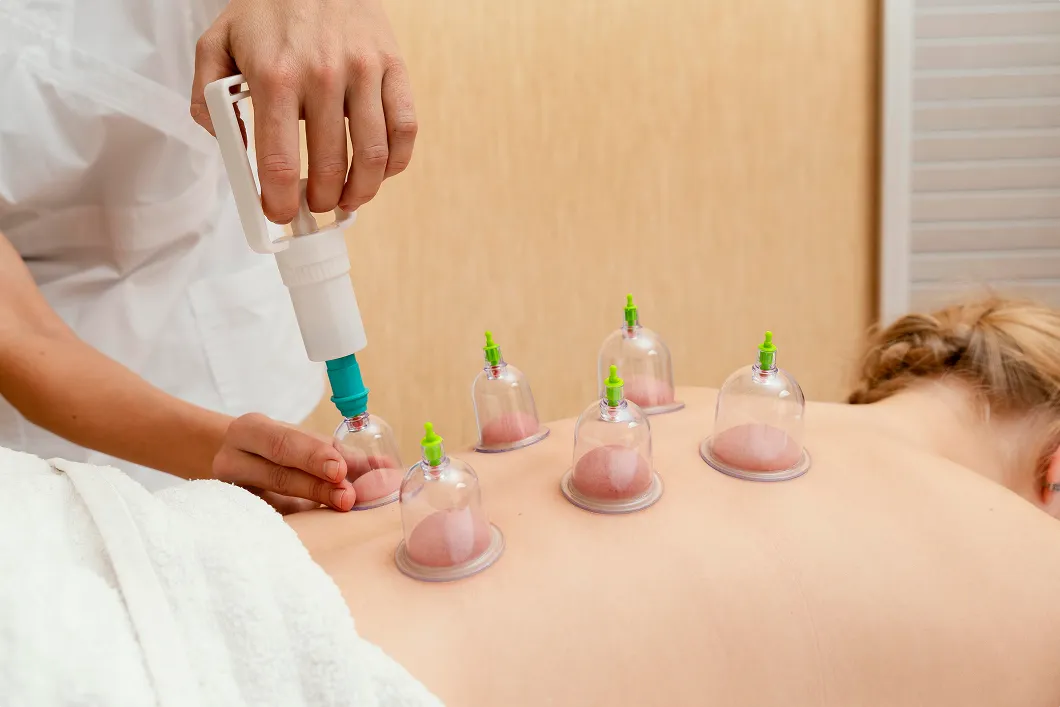
Cupping therapy uses suction cups placed directly on the skin to create negative pressure beneath the surface. That pressure lifts the soft tissue, separates layers of fascia, and draws blood toward the surface of the skin. The result is increased local circulation, reduced muscle tension, and a form of myofascial release that takes time and pressure alone cannot achieve.
The circular marks left behind are not bruises in the traditional sense. They reflect the degree of stagnation in the tissue darker marks often indicate areas where circulation was most restricted. Most marks fade within three to seven days.
Practitioners typically leave cups in place for five to fifteen minutes, depending on the treatment area and the patient’s sensitivity. Some therapists also use a gliding technique, moving the cup across oiled skin to cover a larger surface area. According to the Cleveland Clinic’s guide on cupping therapy , cupping is a traditional treatment that uses suction to improve blood flow, relieve muscle tension, and support the body’s natural healing processes.
What Conditions Does Cupping Commonly Address?
Cupping therapy shows up most often in treatment plans for back pain, neck stiffness, shoulder tension, and chronic muscle fatigue. Beyond musculoskeletal concerns, many patients in Dubai seek cupping for:
- Tension headaches and migraines
- Poor circulation and cold extremities
- Respiratory issues, including congestion
- Skin concerns such as cellulite and lymphatic congestion
- Stress-related fatigue and insomnia
- Digestive discomfort
It is worth being direct about this: cupping works best as part of a broader wellness plan, not as a standalone cure for serious medical conditions.

The Different Types of Cupping Therapy Available in Dubai
Not all cupping is the same. Depending on your needs and health history, a qualified therapist may recommend one approach over another. Here is what you are likely to encounter when you search for cupping therapy in Dubai.
Chinese Cupping Therapy in Dubai
Chinese cupping therapy is the most widely recognised form. Rooted in traditional Chinese medicine (TCM), it uses glass, silicone, or bamboo cups and focuses on stimulating qi flow through specific meridian points. TCM practitioners believe that blocked energy pathways contribute to pain and illness and that suction helps restore that flow.
Glass fire cupping, where a flame briefly removes oxygen from inside the cup before it is applied to the skin, is still used in traditional settings. Silicone cups, which use manual compression instead of heat, have become more common in modern clinical environments because they are more controllable and safer for practitioners.
Chinese cupping therapy in Dubai is available at licensed wellness and physiotherapy clinics, and sessions typically run between 45 and 60 minutes.
Hijama Cupping Therapy in Dubai
Hijama cupping therapy is the Arabic and Islamic form of wet cupping, and it carries particular cultural and religious significance across the Gulf and wider Muslim world. The word comes from the Arabic hajama, meaning to diminish or “to restore to normal size.”
The hijama process differs from dry cupping in one key step: after the cups create suction and draw blood to the surface, small superficial incisions are made in the skin, and the cups are reapplied to draw out a small amount of stagnant blood. Proponents believe this removes metabolic waste and toxins from the blood, with documented benefits including reduced inflammation markers and improved blood pressure in clinical studies.
Hijama cupping therapy in Dubai follows strict hygiene protocols under DHA (Dubai Health Authority) regulations, including single-use blades and sterilised equipment throughout. It should only be performed by trained, licensed practitioners never in informal or unlicensed settings.
Dry Cupping and Flash Cupping
Dry cupping therapy involves placing cups on the skin without any incisions, relying entirely on suction. Flash cupping is a rapid variation where the therapist quickly applies and removes cups in succession over a specific area to stimulate circulation without prolonged suction. Both are gentler entry points for patients new to the therapy.
Massage Cupping
Massage cupping combines the gliding technique mentioned earlier with therapeutic massage principles. It works particularly well for clients dealing with cellulite, poor lymphatic drainage, and areas of deep fascial restriction. Clinics in Dubai often incorporate it into broader physiotherapy or body wellness sessions.
Does Cupping Therapy Really Work? What the Research Shows
This is the question almost everyone asks before their first session, and it deserves a straight answer rather than vague reassurances.
The evidence base for cupping therapy is genuine but still growing. A 2018 systematic review published in the Journal of Traditional and Complementary Medicine found statistically significant improvements in chronic neck and lower back pain in patients who received cupping compared to control groups. A separate meta-analysis covering over 30 studies found cupping effective for non-specific low back pain, with effect sizes comparable to conventional physiotherapy in the short term.
Wet cupping (hijama) has attracted its own research interest, particularly around cardiovascular markers. Studies conducted in Iran and Turkey have reported reductions in LDL cholesterol, blood pressure, and inflammatory cytokines following regular hijama sessions though researchers note that larger, more rigorously controlled trials are needed.
What Cupping Does Particularly Well
Where cupping consistently outperforms alternatives is in addressing muscular stiffness and fascial restriction that does not respond to conventional massage. The decompressive action of the cups works in the opposite direction to compression-based techniques and that difference matters for certain types of chronic tension.
For patients at Trusta Medical Center already receiving physiotherapy or ozone therapy, cupping can serve as a complementary modality that enhances the body’s recovery response between sessions.
Is Cupping Therapy Allowed in Islam?
Yes, and in fact the opposite is closer to the truth cupping therapy, specifically hijama, holds a strong endorsement in Islamic tradition. The Prophet Muhammad (peace be upon him) is reported in multiple authentic hadiths to have recommended hijama as one of the best forms of medical treatment.
One well-known hadith narrated by Ibn Abbas states: “The best of your treatments is hijama.” Another narrated by Jabir ibn Abdullah records that the Prophet himself underwent hijama on the head and shoulder. As a result, hijama carries particular significance in Islamic medicine and is widely practised across Muslim-majority countries.
Many Muslims in Dubai seek hijama specifically on the Sunnah days the 17th, 19th, and 21st of the Islamic lunar month which Islamic scholars traditionally considered optimal for the treatment.
Performing hijama in a properly licensed, sterile medical environment fully aligns with Islamic ethical guidelines. Ensuring that practitioners use disposable, sterile equipment and follow clinical hygiene standards is actually an extension of the Islamic principle of preventing harm.
How Much Is Cupping Therapy in Dubai?
A Realistic Cost Guide Cupping therapy costs in Dubai vary depending on the type of cupping, the clinic’s location and licensing level, session duration, and whether the treatment is standalone or part of a broader wellness package.
Here is a general breakdown of what you can expect:
Dry cupping (basic session, 30–45 min): AED 150 – AED 350
Chinese cupping therapy (full session, 45–60 min): AED 250 – AED 500
Hijama wet cupping (full session): AED 300 – AED 600
Massage cupping or combo session: AED 300 – AED 550
Package deals (course of 4–6 sessions): Often 15–25% less per session than individual bookings
A few things worth noting. Prices at DHA-licensed medical centres in Dubai tend to sit at the higher end of these ranges and for good reason. You are paying for a regulated clinical environment, trained practitioners, proper sterilisation protocols, and medical-grade equipment. Budget options that fall significantly below these ranges are often unlicensed and carry real safety risks, particularly for wet cupping.
Cupping therapy cost in Dubai at a reputable clinic like Trusta Medical Center reflects the full clinical standard of care, not just the procedure itself.
What Should You Expect During a Cupping Session?
First-timers often come in with a mix of curiosity and mild anxiety which is completely understandable. Here is what actually happens.
You will start with a brief consultation where the practitioner reviews your health history, current medications, and treatment goals. This step matters: certain conditions, including active skin infections, bleeding disorders, and some medications, may make cupping unsuitable or require modifications.
The practitioner will then select the appropriate cup type and placement points based on your presenting concerns. You will lie down, the skin is prepared (usually with oil for gliding techniques or cleaned for wet cupping), and the cups are applied. The suction sensation is described by most patients as strong pressure rather than pain, a pulling or tugging feeling that becomes familiar within the first minute.
Sessions typically last 30 to 60 minutes. After the cups come off, the practitioner may apply a soothing oil or light massage to the area. You should drink water afterward, avoid cold showers for a few hours, and expect mild tenderness at the cup sites for a day or two.
How Many Sessions Do You Need?
For acute tension or a single-incident muscle strain, one to three sessions often produces noticeable improvement. Chronic conditions long-standing back pain, recurring headaches, systemic inflammation typically benefit from a course of six or more sessions spaced one to two weeks apart.
A qualified practitioner will always set realistic expectations at the outset. Anyone promising immediate, dramatic results from a single cupping session is worth treating with scepticism.
Cupping Therapy Courses in Dubai: Learn the Practice Professionally
Interest in cupping therapy has grown not just among patients but among wellness and healthcare professionals looking to add it to their service menu. Cupping therapy courses in Dubai range from introductory weekend workshops to more comprehensive certification programmes covering anatomy, contraindications, hijama technique, and clinical hygiene standards.
If you are already working in physiotherapy, nursing, or aesthetic medicine, a cupping certification broadens your scope significantly. Trusta Medical Center offers professional training programmes in Dubai across multiple wellness and aesthetic modalities check current course availability directly with the team.
When evaluating any cupping therapy course in Dubai, look for programmes that include hands-on practical training (not just theory), cover infection control and DHA compliance, and issue certificates that are recognised by relevant UAE health authorities. A certificate from an unaccredited provider carries little professional weight in the UAE market.
Cupping vs. Other Wellness Therapies: How Does It Compare?
With so many wellness treatments available today, many people wonder how cupping therapy compares to other popular therapies. While each treatment offers unique benefits, cupping stands out for its ability to improve circulation, relieve muscle tension, and support the body’s natural healing processes.
Therapy | Primary Purpose | Best For | Key Benefits |
Cupping Therapy | Stimulates blood flow and tissue recovery | Muscle pain, stress, stiffness, recovery | Improves circulation, reduces tension, promotes relaxation |
Massage Therapy | Manipulates muscles and soft tissues | General relaxation, muscle soreness | Relieves tension, reduces stress, improves flexibility |
Physiotherapy | Restores movement and function | Injuries, rehabilitation, chronic pain | Improves mobility, strengthens muscles, supports recovery |
Acupuncture | Stimulates specific pressure points | Pain management, stress relief | Balances energy flow, reduces discomfort, promotes wellness |
Chiropractic Care | Adjusts spinal alignment | Back pain, posture issues | Improves alignment, supports joint function |
Dry Needling | Targets muscle trigger points | Chronic muscle tightness | Releases muscle knots and improves movement |
How to Choose the Best Cupping Therapy Clinic in Dubai
With the number of clinics offering cupping in Dubai, the choice can be overwhelming. Here are the non-negotiables.
DHA licensing: Any clinic performing cupping, and especially wet hijama cupping, must hold a valid DHA licence. Wet cupping is classified as a medical procedure in the UAE not a beauty treatment. Confirm the licence before booking.
Practitioner credentials: Your practitioner should have formal training in cupping therapy, including wet cupping if that is what you are seeking. Ask directly about their qualifications and where they trained.
Sterile, single-use equipment: For hijama, confirm that single-use blades and disposable cups are used. This is non-negotiable from both a medical and religious hygiene standpoint.
Medical consultation before treatment: A reputable clinic conducts a health assessment before your first session. Anyone willing to skip that step is cutting corners.
Clear pricing: The cupping therapy cost in Dubai should be stated clearly before the session, including what is included in the fee.
In Trusta Medical Center, every wellness treatment begins with a proper consultation, and all procedures comply with DHA clinical standards.
Frequently Asked Questions
How much is cupping therapy in Dubai?
Cupping therapy in Dubai usually costs between AED 150 and AED 600 per session. Dry cupping is generally more affordable, while wet cupping (Hijama) performed at licensed medical clinics costs more. Many clinics also offer discounted treatment packages for multiple sessions.
Does cupping therapy really work?
Yes, cupping therapy can help reduce muscle tension, improve circulation, relieve back and neck pain, and support relaxation. Many people experience noticeable benefits, especially when cupping is combined with a healthy lifestyle and professional medical guidance.
How much does a cupping session usually cost?
A standard cupping session typically ranges from AED 150 to AED 600, depending on the treatment type, clinic, and practitioner experience. Wet cupping sessions generally cost more than dry cupping due to the additional clinical procedures involved.
Is cupping therapy painful?
Most people experience only mild discomfort during cupping therapy. Dry cupping usually creates a gentle pulling sensation, while wet cupping may involve slight discomfort from the small superficial incisions. The treatment is generally well tolerated.
How many cupping sessions do I need?
The number of sessions depends on your health goals and condition. Some people feel benefits after one session, while chronic issues may require a series of 4–6 treatments for optimal results.
Are there any side effects of cupping therapy?
Temporary circular marks, mild bruising, and slight tenderness are common after treatment. These effects usually fade within a few days and are considered a normal part of the healing process.
Who should avoid cupping therapy?
Cupping is not recommended for people who are pregnant, those with active skin infections, bleeding disorders, or anyone currently taking blood-thinning medication. A proper pre-treatment consultation will screen for all of these.
Book Your Cupping Therapy Consultation in Dubai
Whether you are dealing with years of shoulder tension, exploring hijama for its Islamic health benefits, or simply looking for a wellness therapy that goes deeper than a standard massage, cupping therapy in Dubai offers a clinically supported, culturally meaningful option worth taking seriously.
Trusta Medical Center in Downtown Dubai provides cupping therapy within a fully DHA-licensed, medically supervised environment. Every treatment plan starts with a proper health assessment, and the team includes qualified practitioners experienced in both Chinese cupping and hijama wet cupping techniques.